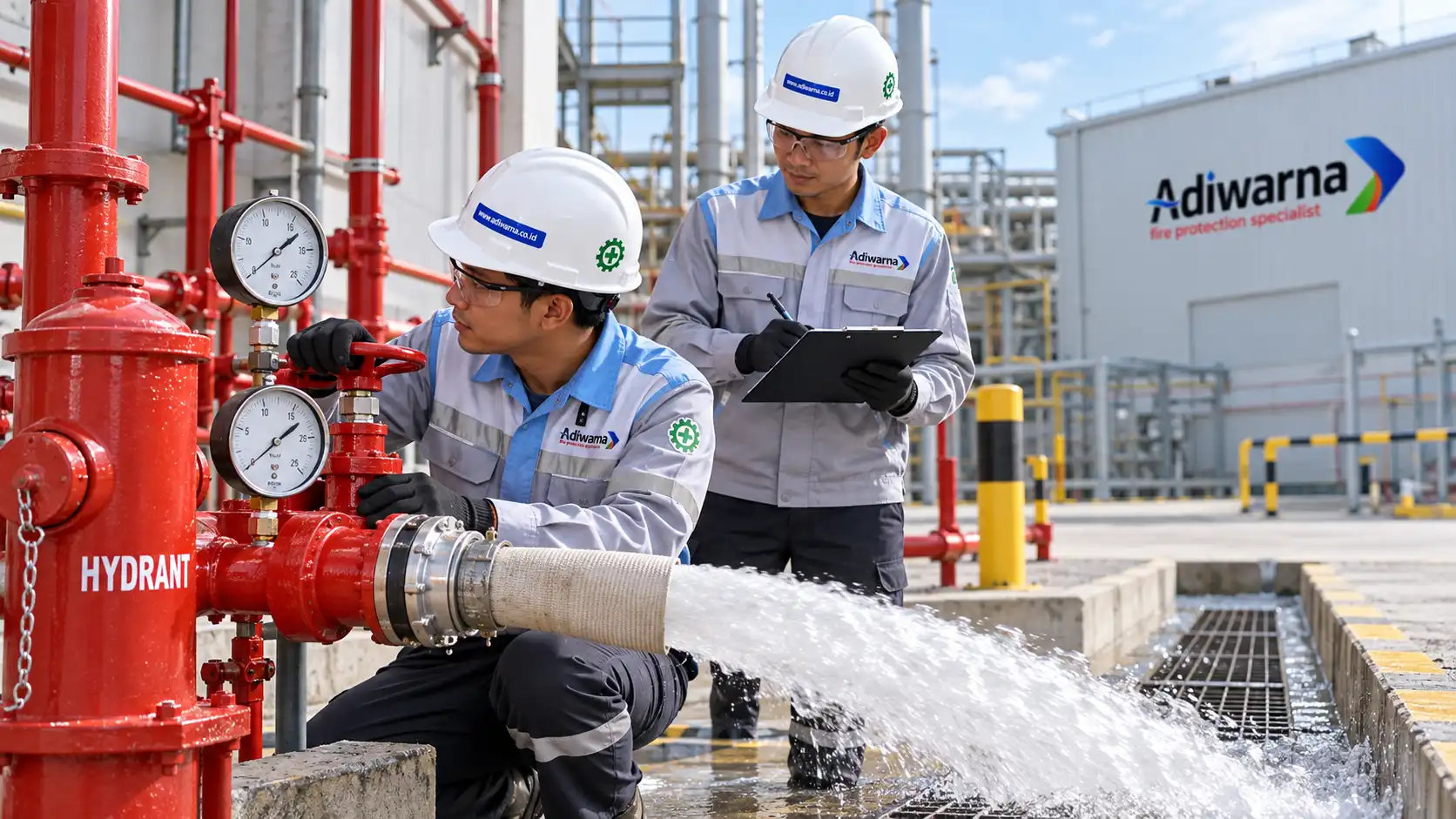

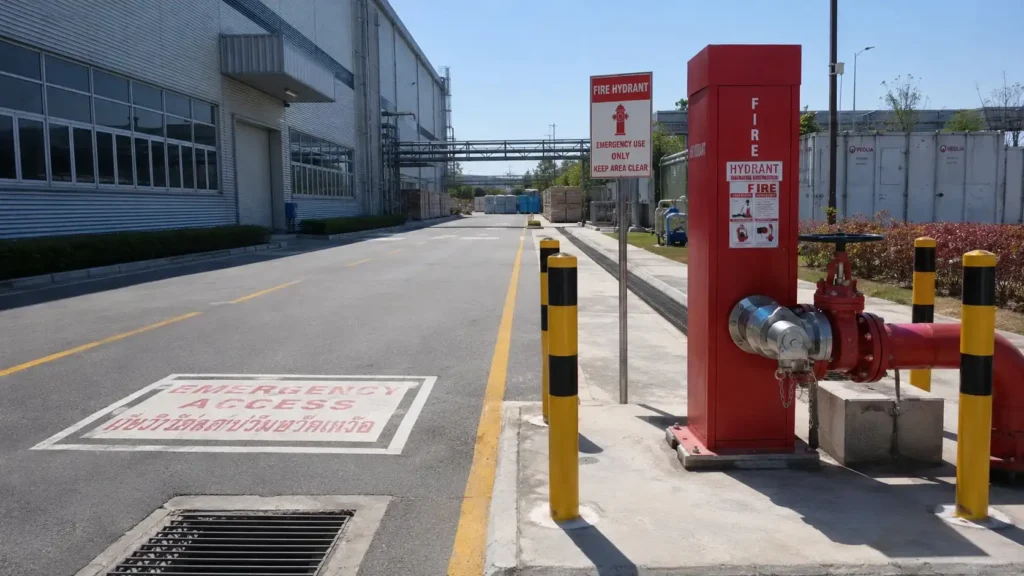
Hydrant pillar is an essential firefighting water outlet installed in outdoor areas of buildings, factories, warehouses, and industrial facilities. It provides quick access to water for emergency response teams during a fire incident.
In high-risk facilities, a hydrant pillar must not be installed randomly. Its location, pressure, flow capacity, accessibility, and connection to the fire water network must be carefully engineered.
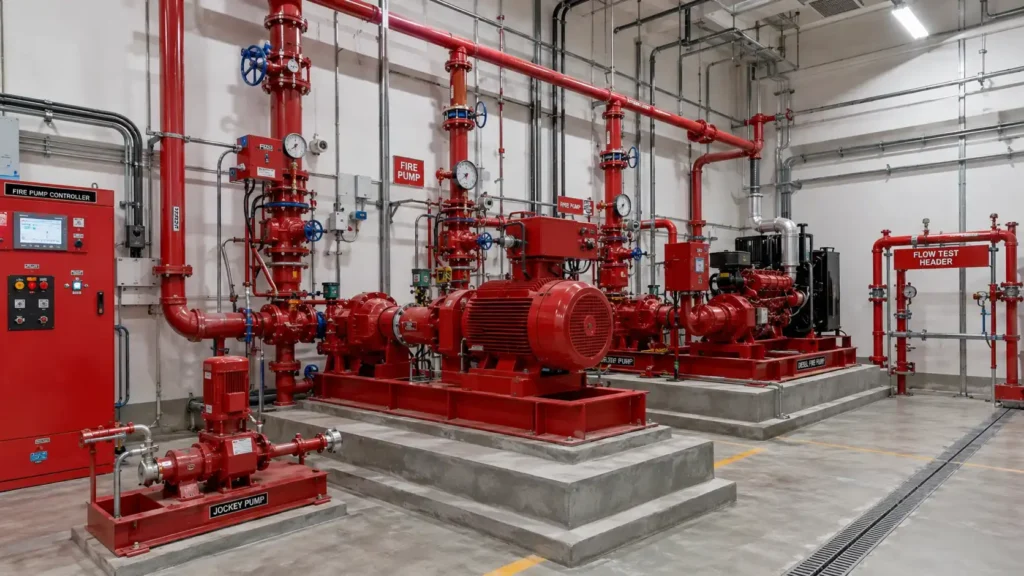
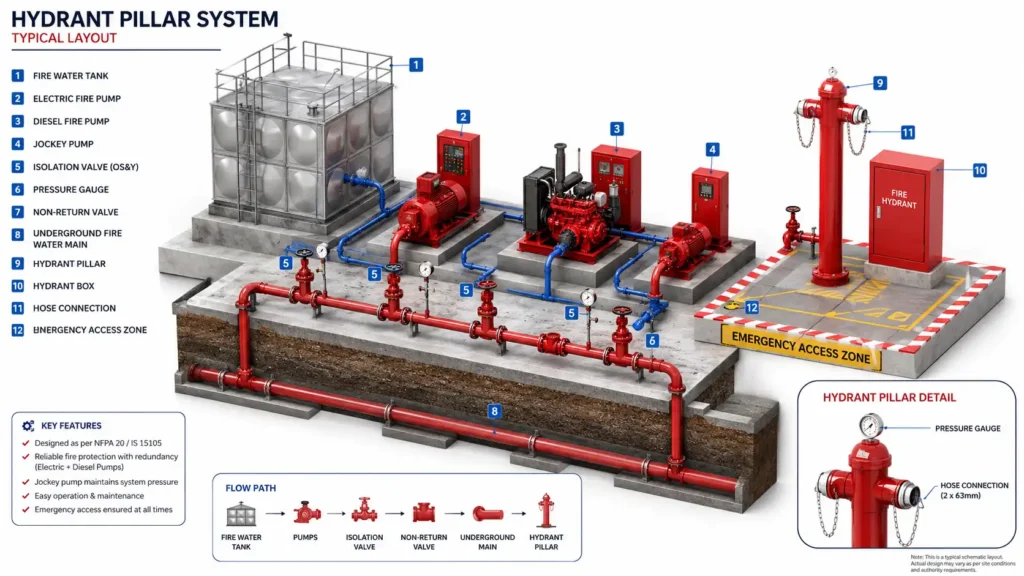
A hydrant works as part of a complete fire hydrant system. Fire pumps, water tanks, underground piping, valves, hydrant boxes, hoses, nozzles, and pillar hydrants must function together as one reliable system.
PT Adiwarna Anugerah Abadi provides integrated fire fighting system solutions for data centers, oil & gas facilities, factories, warehouses, commercial buildings, and industrial plants through its industrial fire fighting system services.
Why Is a Hydrant Pillar Important?
A hydrant pillar is important because it provides an accessible water supply point for outdoor firefighting operations. During an emergency, firefighters and internal emergency response teams need fast and stable water access.
First, a hydrant supports firefighting from outside the building. Second, it helps teams connect hoses and nozzles quickly. Third, it can support fire trucks when additional water supply is required.
In industrial environments, fire can spread rapidly. Therefore, a hydrant pillar must be positioned where it can support safe response and effective hose deployment.
The design of private fire service mains and hydrant appurtenances is commonly associated with standards such as NFPA 24, which provides guidance for reliable outdoor fire water infrastructure.
Main Functions of a Hydrant Pillar
A hydrant pillar mainly functions as a water outlet for firefighting operations. It is usually connected to underground or outdoor fire water piping.
Its main functions include:
- Providing an outdoor firefighting water supply point.
- Supporting emergency response in industrial yards.
- Allowing fast fire hose connection.
- Supporting fire truck operations.
- Completing the facility hydrant system.
- Protecting production and warehouse areas.
- Supporting firefighting in tank farms and loading areas.
- Acting as part of the fire water network.
- Supporting manual firefighting strategy.
- Improving emergency response speed.
In addition, hydrant pillars help HSE teams and emergency response teams implement more organized firefighting scenarios.
Components of a Hydrant Pillar
A hydrant pillar may look simple, but it consists of several important components. Each component must be durable, easy to operate, and suitable for the required pressure and flow.
Common components include:
- Hydrant body.
- Inlet connection.
- Outlet coupling.
- Main valve.
- Drain valve.
- Outlet cap.
- Chain.
- Flange connection.
- Gasket.
- Bolts and nuts.
- Operating nut or handwheel.
- Anti-corrosion coating.
- Stand pipe connection.
- Hose connection.
- Safety marking.
The material must withstand outdoor conditions. Industrial sites are often exposed to heat, rain, dust, chemicals, and corrosive environments.
Hydrant Pillar for Industrial Facilities and Buildings
A hydrant pillar is used in many types of facilities, including industrial estates, factories, warehouses, commercial buildings, and oil & gas sites. However, every facility requires a different design approach.
In factories, hydrant support firefighting in production areas, storage areas, and loading zones. They help emergency teams reach potential fire locations from outside the building.
In oil & gas facilities, hydrant are part of the fire water network. The system may also support foam monitors, hose stations, hydrant monitors, and process area protection.
In commercial buildings, hydrant can support fire department access from outdoor areas. Therefore, placement must consider road access, turning radius, and fire truck movement.
For industrial projects, Adiwarna supports site survey, design, installation, testing, commissioning, and maintenance through its fire protection contractor services.
Hydrant Pillar in a Fire Water Network
A hydrant pillar must be connected to a reliable fire water network. It cannot perform effectively if the fire pump, piping, valves, and water reservoir are inadequate.
First, the fire pump must provide sufficient pressure and flow. Second, the piping network must deliver water to the hydrant with acceptable pressure loss. Third, isolation valves must be accessible for maintenance and emergency control.
The network should also support inspection, flushing, flow testing, and valve operation. Without proper testing, a hydrant pillar may appear ready but fail during an actual emergency.
Common Types of Hydrant Pillars
The type of hydrant should be selected based on facility needs, fire risk, hose connection type, and required water flow.
Common types include:
- One-way hydrant pillar.
- Two-way hydrant pillar.
- Three-way hydrant pillar.
- Wet barrel hydrant.
- Dry barrel hydrant.
- Flanged hydrant pillar.
- Outdoor pillar hydrant.
- Industrial hydrant pillar.
The outlet connection must match the hose coupling used by the facility or local fire department. A mismatch can delay firefighting operations.
Difference Between Hydrant Pillar, Hydrant Box, and Siamese Connection
Many people confuse hydrant pillars, hydrant boxes, and siamese connections. However, these components have different functions.
A hydrant pillar is usually installed outdoors. It acts as a water outlet from the fire hydrant network.
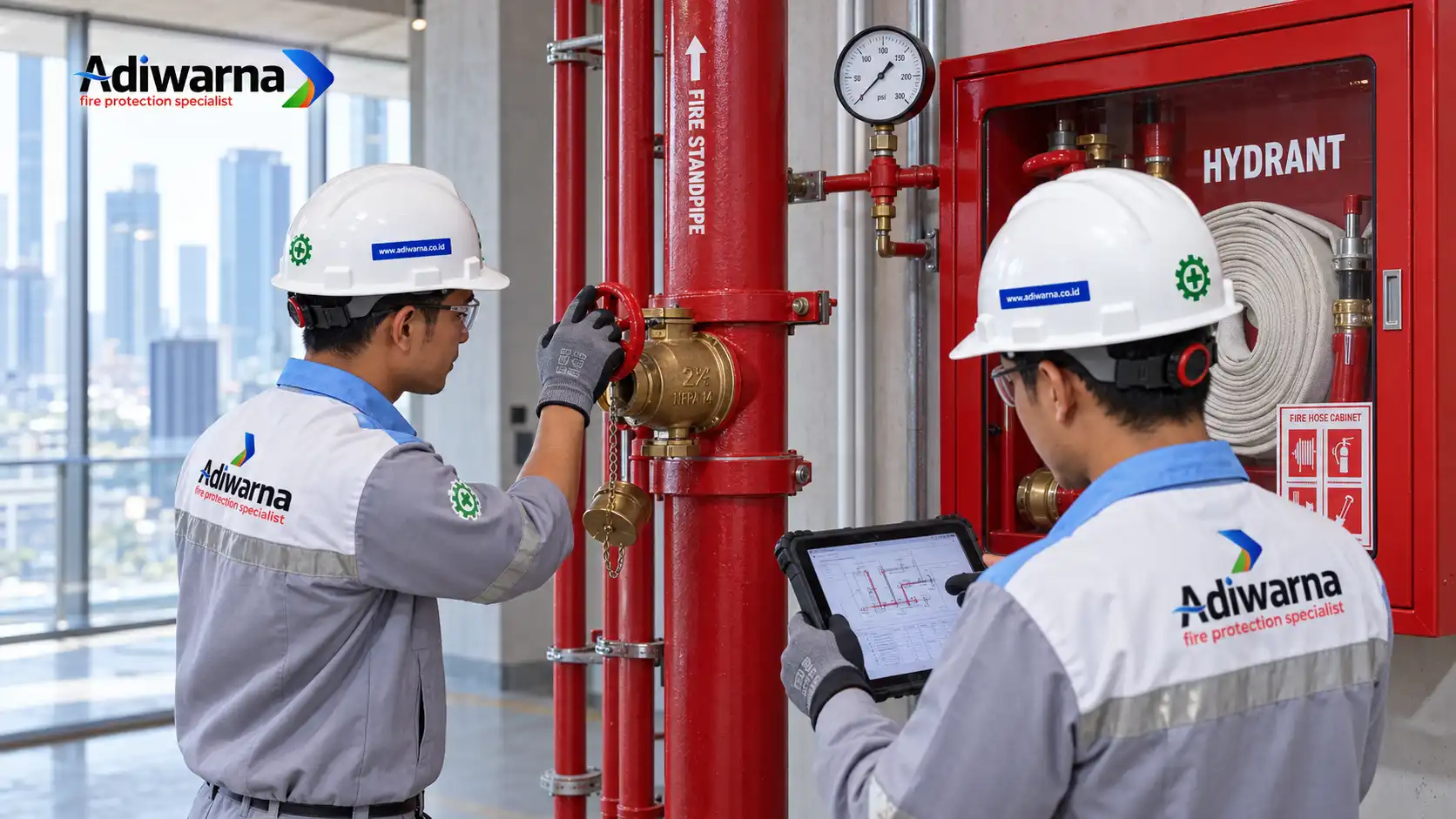
A hydrant box contains a hose, nozzle, valve, and firefighting accessories. It is often installed inside buildings or near protected areas.
A siamese connection, also known as a fire department connection, is used to supply water from a fire truck into the building’s fire protection system. Therefore, its hydraulic function is different from a hydrant pillar.
Understanding these differences helps facility owners design a more reliable and functional fire protection system.
Technical Standards for Hydrant Pillars
A hydrant pillar should be designed and installed based on applicable technical standards. Standards help ensure safety, reliability, and audit readiness.
Common references include:
- NFPA 24 for private fire service mains.
- NFPA 20 for fire pumps.
- NFPA 14 for standpipe and hose systems.
- Local fire department requirements.
- HSE requirements.
- Insurance requirements.
- Manufacturer manuals.
- Project specifications.
- Local building and fire safety regulations.
The NFPA list of codes and standards can be used as a general reference when identifying relevant fire protection standards for a project.
Important Factors in Hydrant Pillar Placement
The placement of a hydrant pillar determines how effective the system will be during an emergency. The hydrant must be visible, accessible, and easy to operate.
Important factors include:
- Distance from the protected building.
- Fire truck access.
- Emergency access routes.
- Surrounding fire risk.
- Hose reach.
- Operator working space.
- Protection from vehicle impact.
- Drainage condition.
- Isolation valve location.
- Signage visibility.
- Corrosion exposure.
- Lighting availability.
A hydrant pillar must not be blocked by parked vehicles, materials, containers, fences, or temporary project equipment. Blocked access can slow down emergency response.
Hydrant Pillar Planning Stages
Hydrant pillar planning must be performed technically and systematically. This helps ensure the system works according to the required firefighting scenario.
1. Site Survey
The first step is a site survey. Engineers inspect the building layout, access roads, fire risk areas, existing systems, and potential firefighting points.
This stage is important for new projects, retrofit works, plant expansion, and fire protection system upgrades.
2. Fire Risk Analysis
Next, engineers identify fire risk sources. These may include fuel tanks, storage areas, electrical panels, production machines, loading docks, and chemical handling areas.
Each area may require different hydrant pillar locations and quantities. High-hazard areas need a more conservative design approach.
3. Flow and Pressure Calculation
After the risk assessment, engineers calculate the required water flow and pressure. The calculation must consider fire pumps, pipe diameter, elevation, friction loss, and the number of active outlets.
Design assumptions should be supported by available site data. If possible, flow test data should also be considered.
4. Piping and Valve Design
Engineers then determine the pipe route, isolation valves, hydrant pillar positions, and connection details. The piping network must distribute water reliably.
Isolation valves should be strategically located. This allows maintenance without shutting down the entire hydrant system.
5. Installation and Commissioning
After design approval, the installation team installs piping, valves, hydrant pillars, signage, and physical protection. The work must follow project specifications and approved drawings.
Testing may include pressure testing, flushing, flow testing, valve operation testing, and visual inspection. Integrated projects can also be supported through Adiwarna’s EPC fire protection services.
Common Mistakes in Hydrant Pillar Installation
Many hydrant system problems are caused by poor design or improper installation. These mistakes can make the system difficult to use during an emergency.
Common mistakes include:
- Hydrant location too far from the risk area.
- Access blocked by vehicles or materials.
- No protective bollards.
- Incompatible outlet coupling.
- Insufficient water pressure.
- Difficult valve access.
- Poor signage.
- Poor drainage around the hydrant.
- Weak anti-corrosion coating.
- No scheduled flushing.
- No periodic flow test.
- Outdated as-built documentation.
Facilities often forget to update their hydrant system after site expansion. However, a new layout can change the required hydrant coverage.
Hydrant Pillar Maintenance
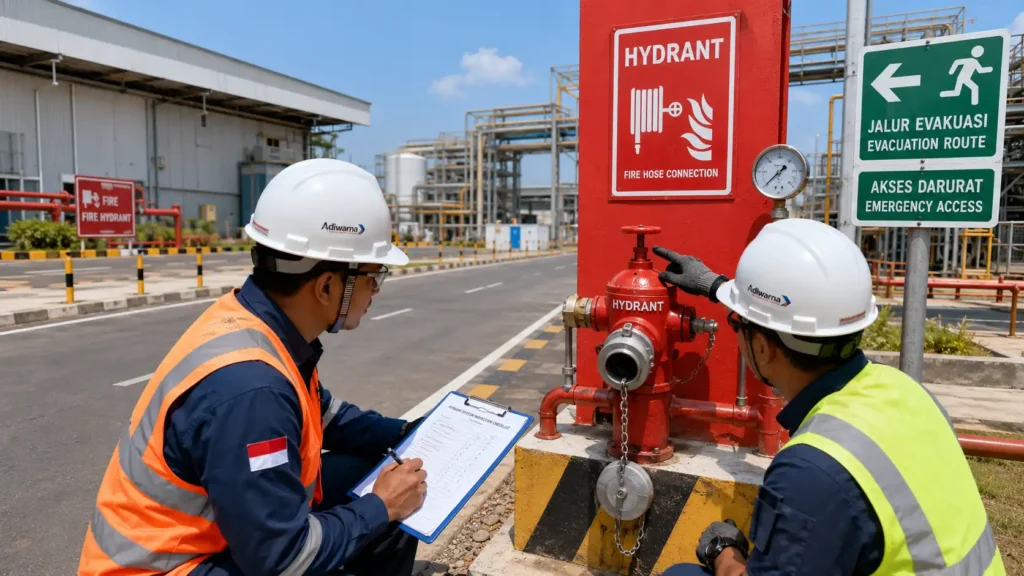
A hydrant pillar must be maintained regularly. Maintenance ensures that the hydrant remains accessible, leak-free, and ready for emergency use.
Common inspection points include:
- Hydrant body condition.
- Outlet cap condition.
- Chain condition.
- Valve operation.
- Leakage signs.
- Coating condition.
- Rust and corrosion.
- Gasket condition.
- Coupling condition.
- Cleanliness of surrounding area.
- Emergency access clearance.
- Signage condition.
- Pressure and flow.
- Flushing result.
The surrounding area should remain clear at all times. Floor marking, signage, and bollards can help prevent obstruction.
Hydrant Pillar for Oil & Gas and Tank Farms
A hydrant pillar in oil & gas facilities and tank farms requires a robust design. These areas involve flammable liquids, gases, and hazardous processes.
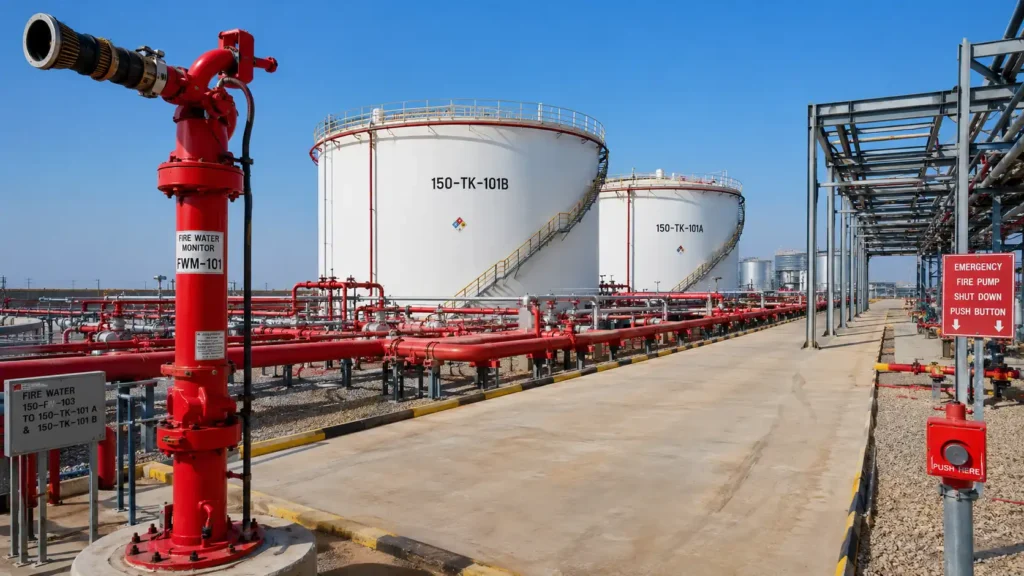
In tank farms, hydrant pillars can support hose lines and fire monitors. The system may also connect with foam systems for hydrocarbon fire scenarios.
The position of each hydrant must consider wind direction, safe access, and distance from the hazard. Operators must be able to work from a safer location.
For this reason, the design should involve HSE, operations, engineering, and emergency response teams. They understand real field conditions and emergency scenarios.
Adiwarna also supports high-risk applications such as foam system fire protection for oil & gas, chemical, and industrial facilities.
Hydrant Pillar for Factories and Warehouses
In factories and warehouses, hydrant pillars support outdoor firefighting and fire department access. These facilities often include loading docks, raw material storage, finished goods areas, and vehicle movement.
However, hydrant access is often disrupted by daily operations. Pallets, trucks, containers, and temporary materials may block the hydrant area.
Therefore, facilities must establish a clear emergency access zone. Floor markings, bollards, and signage help keep the area open and visible.
Internal emergency response teams should also receive training. A good hydrant system will not perform optimally if the team does not understand how to use it.
Benefits of a Professionally Designed Hydrant Pillar
Using a professionally designed hydrant pillar provides many benefits for industrial safety and business continuity.
Key benefits include:
- Faster firefighting water access.
- More organized emergency response.
- Wider firefighting reach.
- Support for fire truck operations.
- More effective fire water network.
- Better audit readiness.
- Easier maintenance.
- Reduced downtime risk.
- Higher confidence for emergency teams.
- Better asset protection.
A reliable hydrant system also helps companies meet HSE, insurance, and safety audit expectations.
Why Choose PT Adiwarna Anugerah Abadi?
PT Adiwarna Anugerah Abadi supports industrial fire protection projects from design to maintenance. The company provides fire fighting system, fire alarm system, fire suppression system, hydrant system, sprinkler system, foam system, and related fire protection solutions.
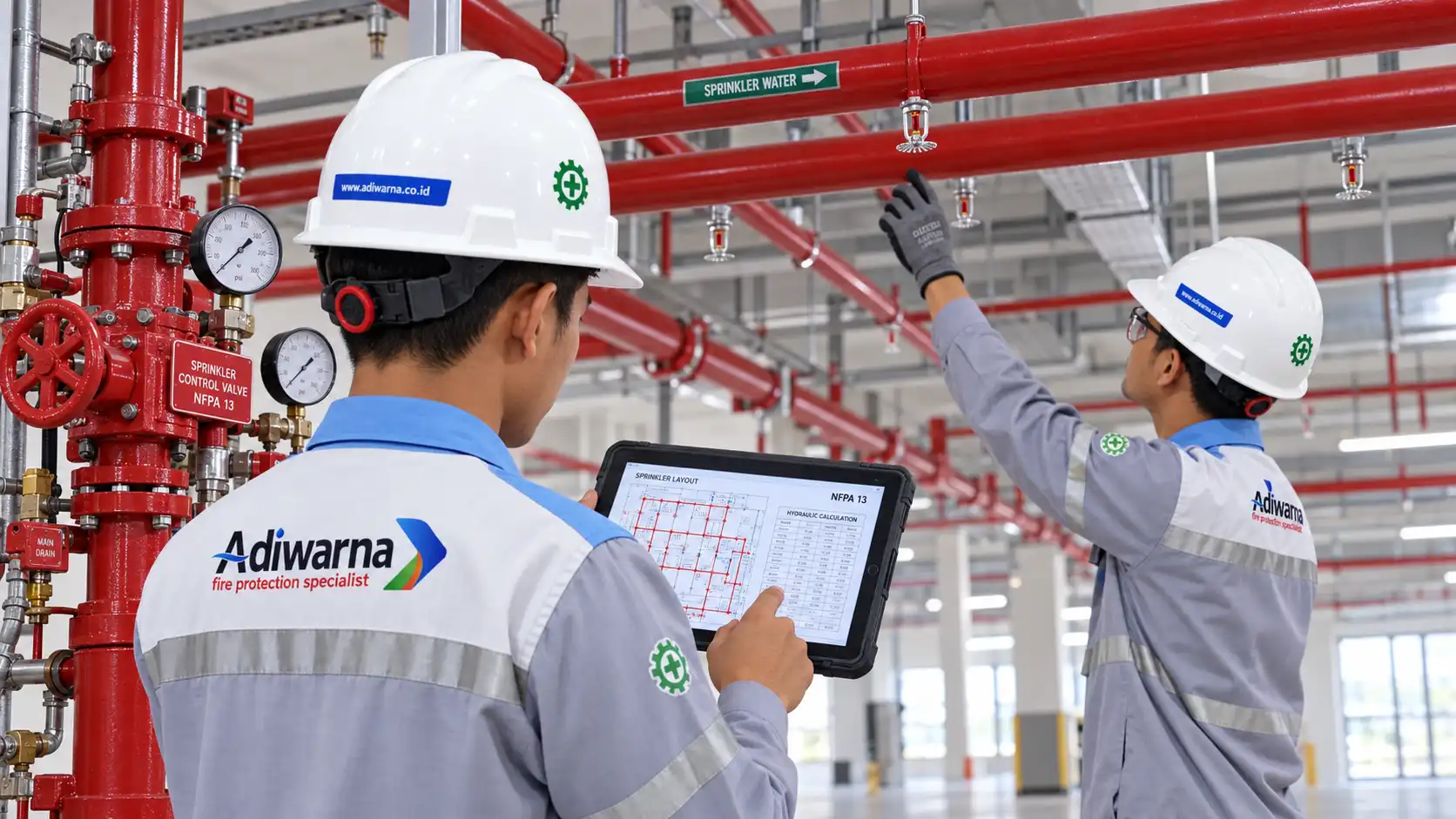
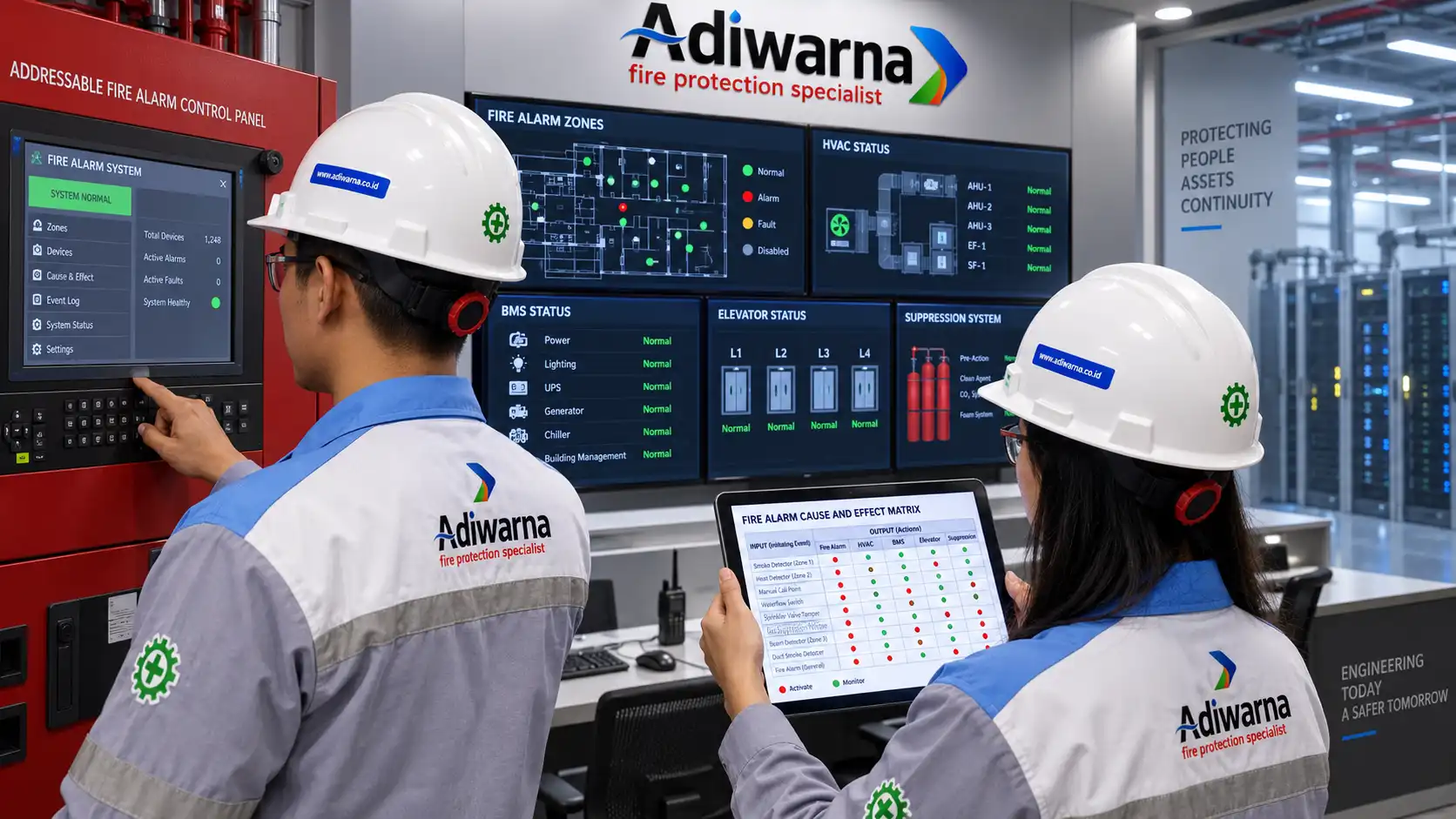
Adiwarna can help integrate hydrant pillars with fire pumps, fire water tanks, hydrant boxes, sprinkler systems, foam systems, fire alarm systems, and emergency response equipment.
Key advantages include:
- Experienced engineering team.
- Site survey and risk analysis.
- Fire water network design.
- Proper hydrant pillar selection.
- Fire pump integration.
- Professional installation.
- Testing and commissioning.
- Project documentation.
- Service and maintenance support.
With this approach, facilities become more prepared for fire emergencies. The system also becomes easier for internal teams to operate and maintain.
You can learn more about the company through the About PT Adiwarna Anugerah Abadi page.
Tips Before Selecting a Hydrant Pillar
Before selecting a hydrant pillar, prepare technical data about your facility. This helps engineers provide a more accurate recommendation.
Prepare the following information:
- Latest site layout.
- Building location.
- High-hazard areas.
- Fire truck access route.
- Fire pump data.
- Water tank capacity.
- Hydrant pipe diameter.
- Available pressure and flow.
- Hose reach.
- Coupling type.
- Drainage condition.
- Corrosive environment condition.
- Target standard or audit requirement.
- Maintenance needs.
Involve HSE, facility, engineering, operations, and emergency response teams from the beginning. They understand daily operational risks and site-specific emergency needs.
Conclusion: Hydrant Pillar Improves Firefighting Response Speed
A hydrant pillar is a critical component of a fire hydrant and fire fighting system. It provides fast outdoor water access for emergency response teams, firefighters, and facility operators.
However, its performance depends on the entire system. Fire pumps, water tanks, piping, valves, signage, access, and maintenance must be planned properly.
PT Adiwarna Anugerah Abadi can help your business select and implement the right hydrant pillar system. Consult your needs for hydrant system, fire pump, fire water network, hydrant box, foam system, installation, testing, commissioning, and maintenance through the Adiwarna contact page.