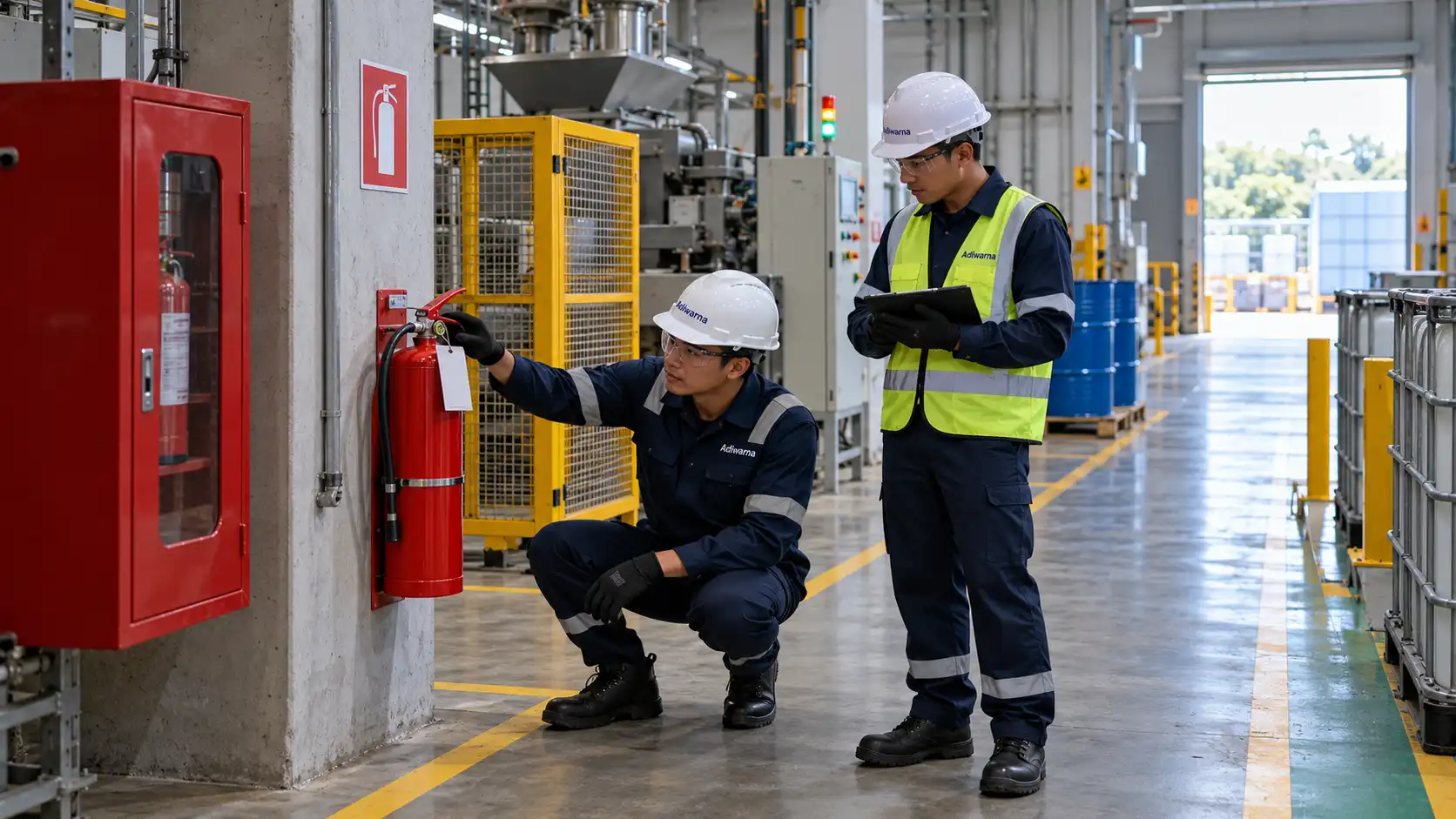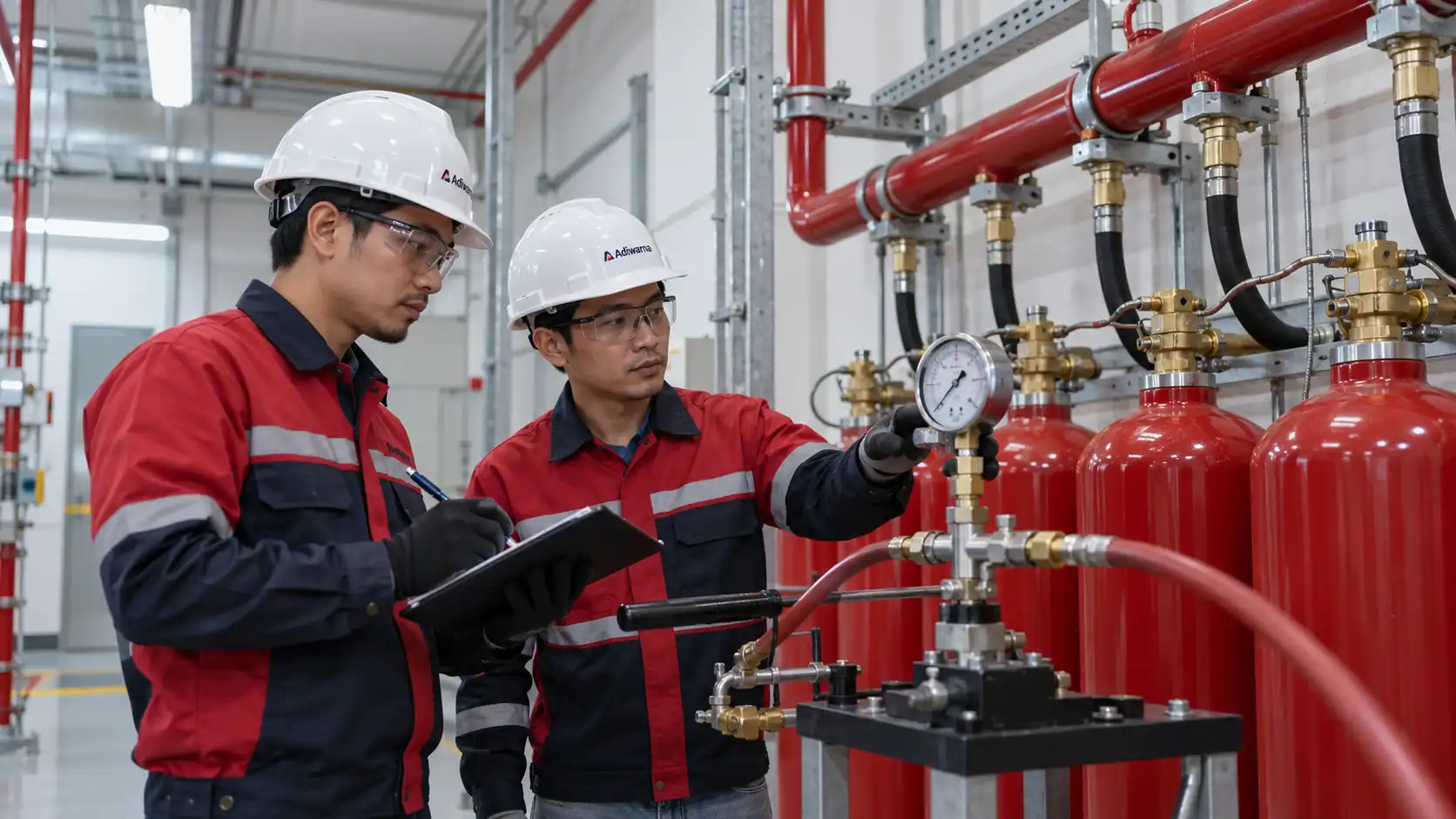

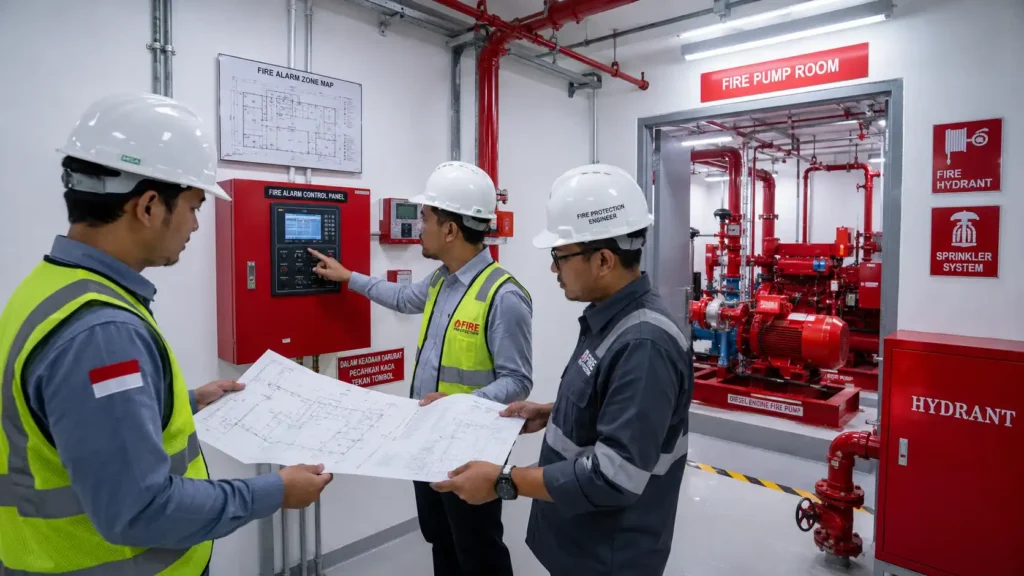
Fire Protection Services Indonesia refers to professional services for planning, procurement, installation, testing, commissioning, servicing, and maintaining fire protection systems for various types of facilities. Therefore, this service is highly needed by commercial buildings, factories, warehouses, data centers, hotels, hospitals, apartments, malls, oil & gas facilities, petrochemical plants, power plants, and high-risk industrial sites.
In addition, fire protection cannot rely on only one device. Instead, the system must be designed comprehensively, starting from early detection, alarms, fire suppression, evacuation support, water supply, monitoring, and periodic maintenance.
With proper planning, a fire protection system can help protect people, assets, production processes, critical documents, and company reputation. Therefore, choosing the right service provider must consider experience, engineering capability, installation quality, and understanding of technical standards.
For integrated fire protection needs, PT Adiwarna Anugerah Abadi provides Industrial Fire Protection Contractor services covering fire alarm, fire fighting, fire suppression, hydrant, sprinkler, foam system, and other fire safety solutions.
Why Is Fire Protection Services Indonesia Important?
Fire Protection Services Indonesia is important because every building and industrial facility has different fire risks. Therefore, fire protection systems should not be designed with the same approach for all projects.
In addition, fire can cause major losses within a very short time. The impact is not limited to building damage, but also includes production downtime, operational disruption, worker safety risks, financial losses, and compliance issues.
In commercial buildings, fire protection systems help support occupant evacuation and accelerate initial response. Meanwhile, in industrial facilities, the system must handle more complex risks such as flammable materials, pressurized processes, hazardous gases, chemical liquids, and high-value equipment.
Because of this, service providers must be able to perform risk analysis from the beginning. Thus, the installed system can truly match the building function, area layout, hazard classification, and operational needs.
Scope of Fire Protection Services Indonesia
A fire protection service provider usually handles several stages of work. Therefore, the process does not stop only at device installation in the field.
Common service scopes include:
- Site survey.
- Fire risk analysis.
- Fire protection engineering.
- Fire protection system design.
- Material and equipment procurement.
- Mechanical and electrical installation.
- System integration.
- Testing and commissioning.
- System operation training.
- Preventive maintenance.
- Corrective maintenance.
- Troubleshooting.
- System upgrades.
- Existing system audit.
- As-built drawing documentation.
- Inspection report preparation.
In addition, projects require coordination with owners, consultants, civil contractors, MEP teams, HSE teams, facility management, and authorities. With proper coordination, the system can be installed more neatly and according to project requirements.
Fire Protection Services Indonesia for Commercial Buildings

Fire Protection Services Indonesia is highly needed in commercial buildings because these areas contain occupants, visitors, tenants, and operational assets that must be protected. Therefore, the system must be able to provide early warning and support the evacuation process.
In office buildings, malls, hotels, apartments, and hospitals, common systems include fire alarm systems, hydrant systems, sprinkler systems, fire extinguishers, emergency lighting, and smoke control. In addition, some special areas may require fire suppression systems to protect server rooms, electrical rooms, or archive rooms.
On the other hand, commercial buildings also require clear monitoring systems. As a result, security teams and facility management can identify alarm locations, trouble status, waterflow, valve status, or fire pump conditions more quickly.
For fire alarm needs, Adiwarna provides Fire Alarm System services that can be adapted to commercial buildings, public facilities, and operational areas.
Fire Protection Services Indonesia for Industrial Facilities
Fire Protection Services Indonesia is also very important for industrial facilities because fire risks are usually more complex. This is because production areas may contain machinery, raw materials, chemicals, combustible gases, hydrocarbon liquids, electrical rooms, conveyors, boilers, furnaces, and pressurized equipment.
In addition, industrial facilities require stronger and more integrated protection systems. For example, factories may need hydrant systems, fire pumps, sprinklers, foam systems, gas detectors, flame detectors, deluge systems, and control room monitoring.
In high-risk areas such as oil & gas, petrochemical facilities, tank farms, refineries, and chemical plants, the design must consider major fire scenarios. Therefore, the Oil and Gas Fire Protection System page can be used as a reference to understand the importance of integrating detection, alarm, suppression, and emergency response.
With the right engineering approach, fire protection systems can be adapted to actual field risks. As a result, the facility becomes better prepared when an emergency occurs.
Fire Alarm System in Fire Protection Services Indonesia
A fire alarm system is an important part of fire protection because it provides early warning. Therefore, this system must be designed based on building layout, room type, fire risk, and evacuation routes.
Common devices include smoke detectors, heat detectors, manual call points, alarm bells, sounders, strobes, modules, annunciators, and master control fire alarm panels. In addition, addressable systems can be used for buildings that require more detailed alarm location information.
With clear alarms, occupants or workers can evacuate immediately. Furthermore, the emergency response team can reach the incident location faster.
As a general reference, NFPA 72 is often used for fire alarm and signaling systems. Therefore, alarm design must consider proper detection, notification, monitoring, and integration principles.
Fire Fighting System for Water-Based Protection
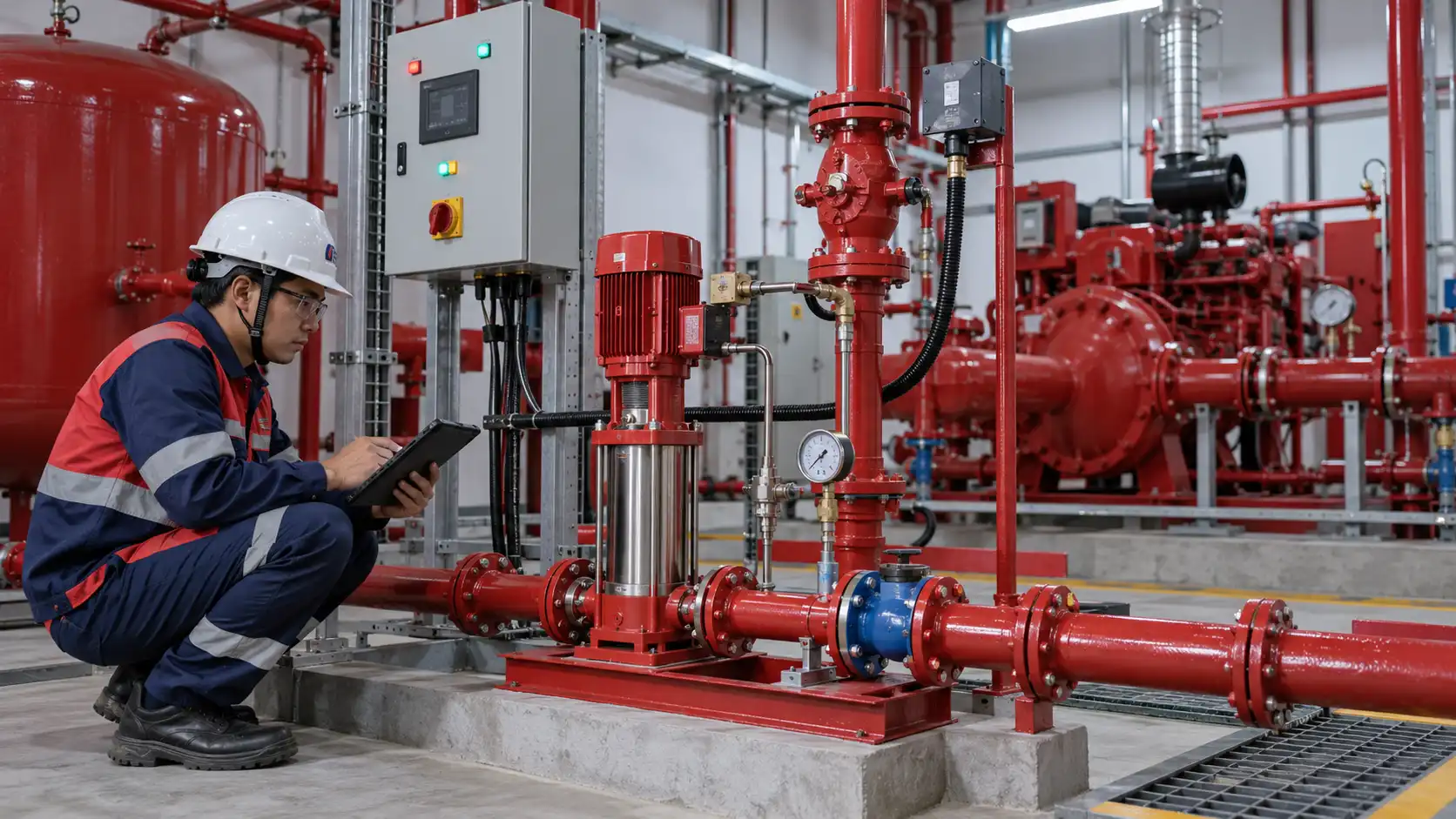
Water-based fire fighting systems are used to support both manual and automatic firefighting. Therefore, these systems usually include fire water tanks, electric fire pumps, diesel fire pumps, jockey pumps, hydrant pillars, hydrant boxes, sprinklers, valves, and piping networks.
In addition, water-based fire fighting systems must have sufficient pressure and flow. If pump or pipe capacity is not suitable, the system cannot operate effectively when needed.
In buildings, hydrants and sprinklers often become the main protection systems. Meanwhile, in industrial areas, the system can be expanded with fire monitors, deluge valves, water spray, or foam application.
For these needs, Adiwarna provides Industrial Fire Fighting System services to support protection for buildings, factories, warehouses, and high-risk facilities.
Fire Suppression System for Critical Assets
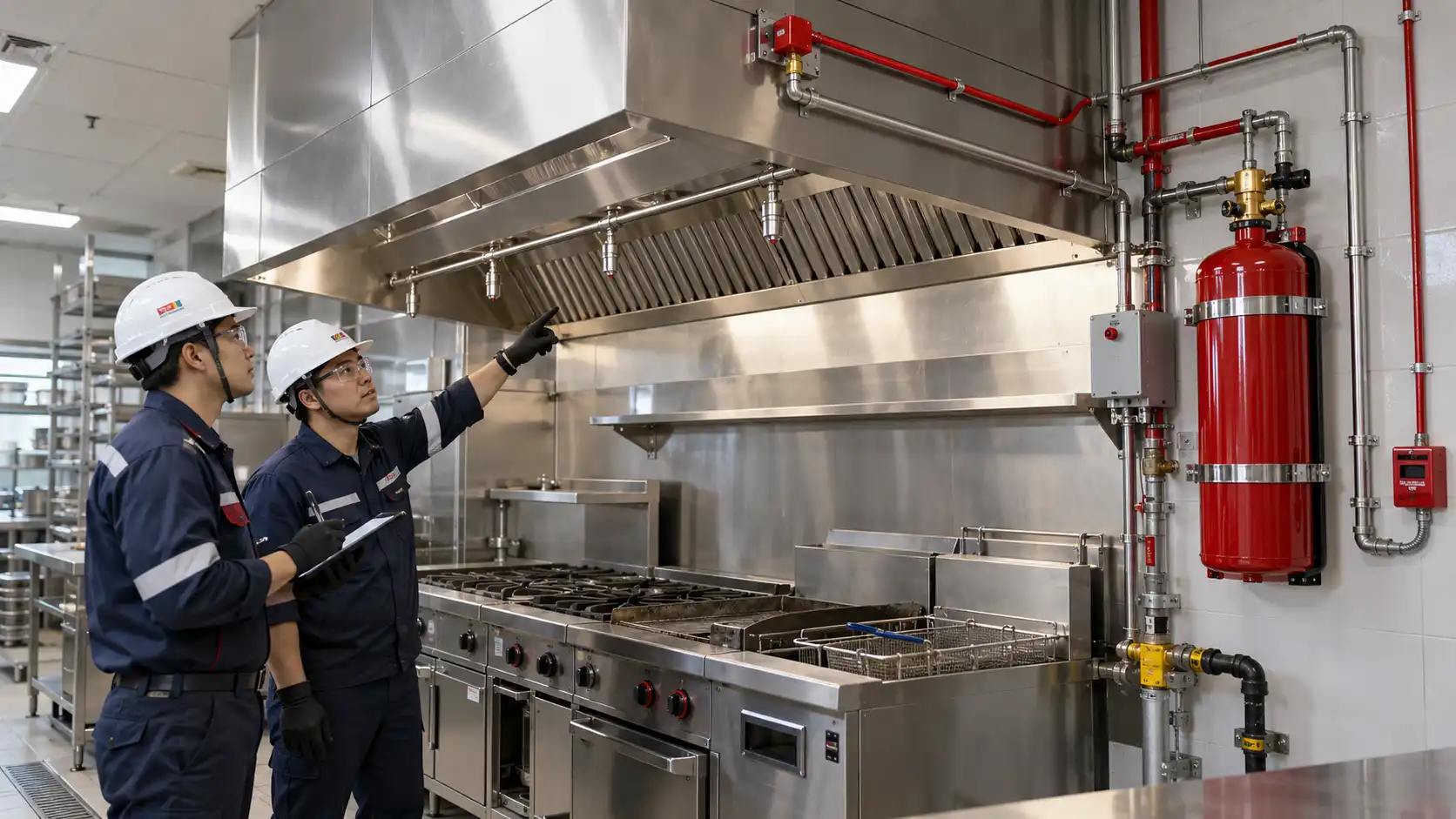
A fire suppression system is used for areas that require special extinguishing methods. Therefore, this system is often installed in data centers, server rooms, electrical rooms, control rooms, archive rooms, laboratories, and certain machine rooms.
Suppression systems may use clean agent, CO₂, inert gas, water mist, or other media depending on the risk characteristics. In addition, the system is usually connected to detectors, releasing panels, alarms, manual release stations, abort switches, and discharge nozzles.
With the right system, fire can be controlled without causing unnecessary additional damage. Therefore, extinguishing media selection must consider asset type, room occupancy, electrical risk, ventilation, and safety standards.
For critical room protection, Adiwarna provides Fire Suppression System solutions that can be designed according to facility needs.
Hydrant System in Fire Protection Services Indonesia
A hydrant system provides firefighting water access at strategic points. Therefore, this system is very important for large buildings, factories, warehouses, industrial estates, tank farms, and public facilities.
Main components of a hydrant system include fire pumps, fire water tanks, main pipes, hydrant pillars, hydrant boxes, hoses, nozzles, landing valves, pressure gauges, and fire brigade connections. In addition, the system layout must consider coverage area and firefighter access.
During emergencies, hydrants help firefighters perform manual suppression. Therefore, pressure, flow, hose completeness, and access to hydrant points must always be ready.
With consistent maintenance, hydrant systems can operate more reliably. Conversely, hydrants that are rarely tested can become a major obstacle during a fire emergency.
Sprinkler System for Buildings and Industry

A sprinkler system provides automatic protection when heat from a fire activates a sprinkler head. Therefore, this system is widely used in high-rise buildings, warehouses, production areas, basements, hotels, apartments, hospitals, and commercial facilities.
Common sprinkler types include wet pipe, dry pipe, preaction, and deluge systems. Each type has a different operating method and application, so selection must follow area characteristics.
In data centers or water-sensitive areas, preaction sprinklers can be used to reduce the risk of accidental discharge. Meanwhile, deluge systems are more suitable for high-hazard areas that require large and rapid water discharge.
As a technical reference, NFPA 13 is often used for sprinkler system installation. Therefore, sprinkler design must consider hazard classification, hydraulic calculations, and coverage area.
Foam System for High-Risk Areas
Foam systems are used to extinguish fires involving liquid fuels or flammable liquids. Therefore, this system is highly relevant for tank farms, refineries, chemical plants, loading terminals, jetties, and oil & gas facilities.
Foam works by forming a blanket over the fuel surface. With this layer, flammable vapor can be suppressed, oxygen supply can be reduced, and reignition risk can be controlled.
Foam system components may include foam concentrate tanks, foam proportioners, foam pumps, foam monitors, foam chambers, deluge valves, fire water piping, and control panels. In addition, foam type selection must consider the fuel being protected.
For high-risk area needs, Adiwarna provides Foam System solutions that can be integrated with fire pumps, hydrants, detectors, and fire alarms.
Gas Detector and Flame Detector
In certain industrial facilities, fire detection cannot rely only on smoke detectors or heat detectors. Therefore, gas detectors and flame detectors are often required in areas with gas leak risks and fast open-flame hazards.
Gas detectors are used to monitor combustible gases, toxic gases, or hazardous atmospheric conditions. Meanwhile, flame detectors detect flame radiation through UV, IR, UV/IR, or IR3 technology.
With fire and gas detection system integration, alarms can be sent to control rooms, sirens, beacons, ventilation fans, deluge systems, or emergency shutdown systems. Therefore, the system must be designed based on hazard analysis and a cause and effect matrix.
In high-risk facilities, early detection becomes an important part of operational safety. Thus, fire, explosion, and gas exposure risks can be reduced.
Technical Standards in Fire Protection Services Indonesia
Fire protection systems must refer to technical standards, local regulations, insurance requirements, and owner requirements. Therefore, design should not be based only on device price or previous project habits.
Common references include:
- NFPA 13 for sprinkler systems.
- NFPA 14 for standpipe and hose systems.
- NFPA 20 for fire pumps.
- NFPA 24 for private fire service mains.
- NFPA 72 for fire alarm and signaling.
- NFPA 2001 for clean agent fire extinguishing systems.
- NFPA 11 for low, medium, and high expansion foam.
- Applicable SNI and local regulations.
- Manufacturer installation manuals.
- Insurance and company HSE requirements.
In addition, projects in Indonesia must also consider fire department requirements, building safety standards, and company internal requirements. Thus, the system can meet both technical and administrative needs.
Work Stages in Fire Protection Services Indonesia

Fire protection work must be carried out in stages so the results can be measured. Therefore, a good project always starts with a survey and needs analysis.
Common work stages include:
- Site survey.
- Building data collection.
- Fire risk identification.
- System concept selection.
- Engineering design.
- Drawing preparation.
- Material approval.
- Procurement.
- Installation.
- Testing.
- Commissioning.
- Training.
- Handover documentation.
- Maintenance planning.
In addition, every stage must be properly documented. With this documentation, owners can understand the installed system and have a basis for future maintenance.
If a project moves directly to installation without clear design, the risk of mistakes becomes higher. Therefore, early planning is an important part of system quality.
Fire Protection Testing and Commissioning
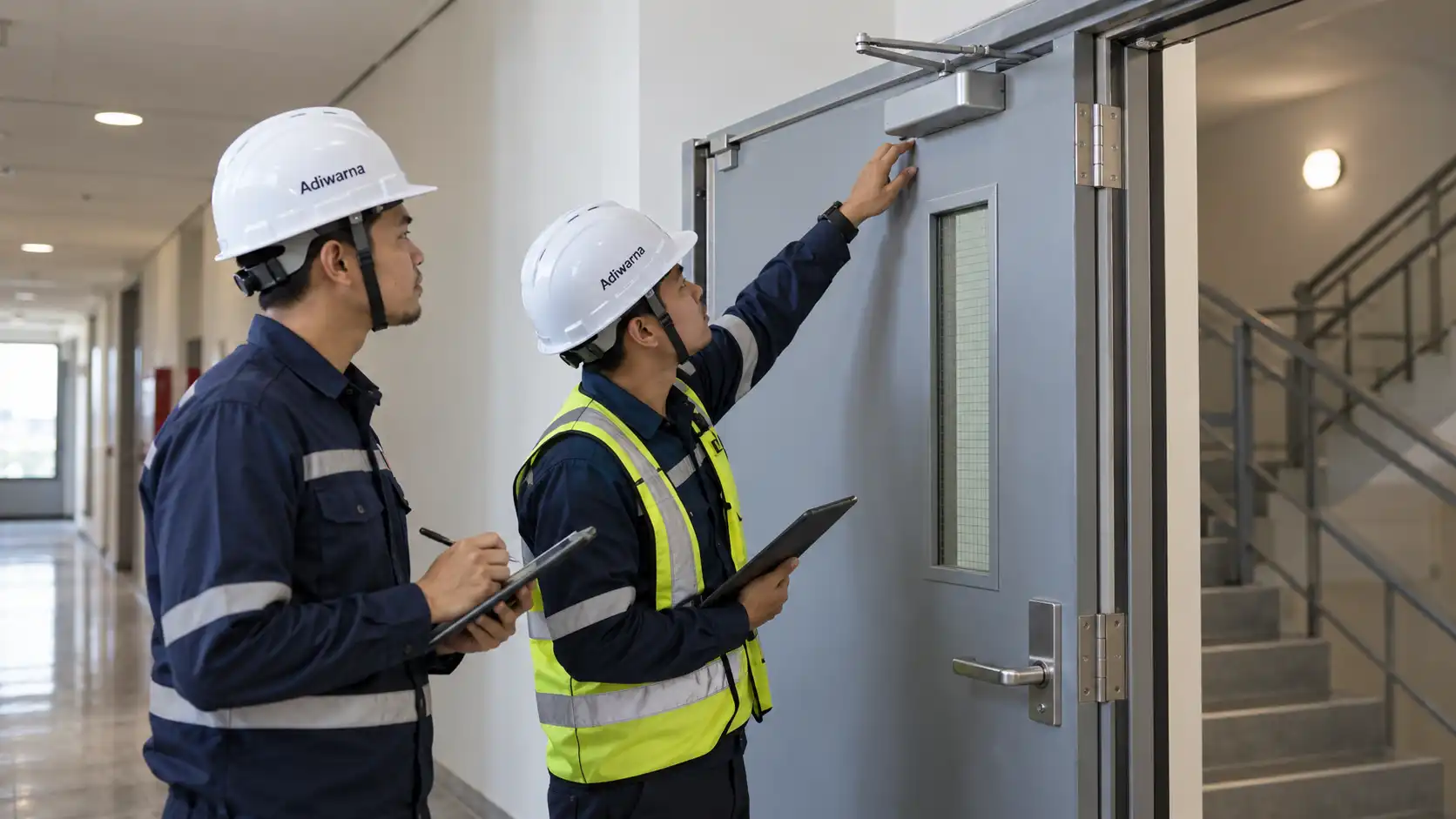
Testing and commissioning are required to ensure the system works according to design. Therefore, this process must be completed before the system is handed over to the owner.
Common activities include visual inspection, cable testing, loop testing, pressure testing, flow testing, pump performance testing, alarm testing, valve testing, detector activation testing, discharge testing for certain systems, and integration testing.
In addition, cause and effect testing is very important for systems with complex integration. For example, detector alarms must be able to activate sirens, strobes, fans, valves, pumps, or suppression release according to the approved logic.
With proper commissioning, potential errors can be found before an emergency occurs. Therefore, test reports must be included as part of the handover documents.
Fire Protection System Maintenance

Maintenance is required so the system remains ready after installation is completed. Therefore, facility owners should not assume that fire protection work is finished after project handover.
Periodic inspections include fire alarm panels, detectors, batteries, pumps, valves, pressure gauges, hydrant boxes, sprinklers, nozzles, alarm devices, piping, and monitoring equipment. In addition, certain systems require calibration, foam concentrate testing, or room integrity testing.
With preventive maintenance, potential failures can be identified earlier. As a result, the risk of system failure during emergencies can be reduced.
If the system is rarely inspected, the facility may have a false sense of safety. This is because the equipment may appear installed but may not be ready to work when needed.
Common Mistakes When Choosing a Fire Protection Provider
Many problems occur because providers are selected only based on the lowest price. In fact, fire protection requires engineering capability, material quality, and field experience.
Common mistakes to avoid include:
- Not checking project experience.
- Not reviewing engineering capability.
- Ignoring technical standards.
- Not requesting a work method.
- Not checking material quality.
- Not requesting testing procedures.
- Not ensuring commissioning documents.
- Not discussing maintenance from the beginning.
- Not evaluating system integration.
- Not adapting the design to facility risks.
By avoiding these mistakes, companies can obtain a more reliable system. In addition, repair costs caused by design or installation errors can be reduced.
Benefits of Using a Professional Fire Protection Provider
A professional provider helps companies obtain systems that match their needs. First, the design can be prepared based on actual risk, not only a general template.
In addition, installation can be carried out with better coordination. Thus, fire alarm systems, fire pumps, hydrants, sprinklers, suppression systems, and monitoring devices can work as one integrated system.
Furthermore, project documentation becomes more organized. This is important for HSE audits, insurance reviews, authority inspections, and future maintenance needs.
Finally, a professional provider can help companies maintain long-term system readiness. Therefore, service and maintenance become an important part of fire protection investment.
Why Choose PT Adiwarna Anugerah Abadi?
PT Adiwarna Anugerah Abadi can help companies design, install, test, and maintain integrated fire protection systems. In addition, Adiwarna understands the needs of various sectors such as commercial buildings, data centers, factories, warehouses, oil & gas facilities, petrochemical plants, power plants, hotels, hospitals, and public facilities.
With the right engineering approach, every system can be selected based on risk, standards, layout, water capacity, alarm requirements, and the characteristics of protected assets. Therefore, the solution focuses not only on installation but also on operational readiness.
For projects that require a complete scope, EPC Fire Protection Adiwarna can support engineering, procurement, construction, testing, commissioning, service, and maintenance.
If your company needs consultation, design, installation, testing, commissioning, service, or maintenance for fire protection systems, contact PT Adiwarna Anugerah Abadi through the Adiwarna Contact Page.
Conclusion
Fire Protection Services Indonesia is essential to ensure fire protection systems are designed, installed, tested, and maintained professionally. Therefore, this service is needed by commercial buildings, industrial facilities, data centers, oil & gas facilities, petrochemical plants, warehouses, hotels, hospitals, and other high-risk areas.
However, fire protection reliability is not determined only by the equipment used. Instead, system performance depends heavily on risk analysis, engineering design, installation quality, system integration, testing, commissioning, and maintenance.
With proper planning, fire protection systems can help protect people, assets, operations, and company reputation. Therefore, PT Adiwarna Anugerah Abadi is ready to become a professional partner in delivering integrated, reliable, and facility-specific fire protection solutions in Indonesia.