
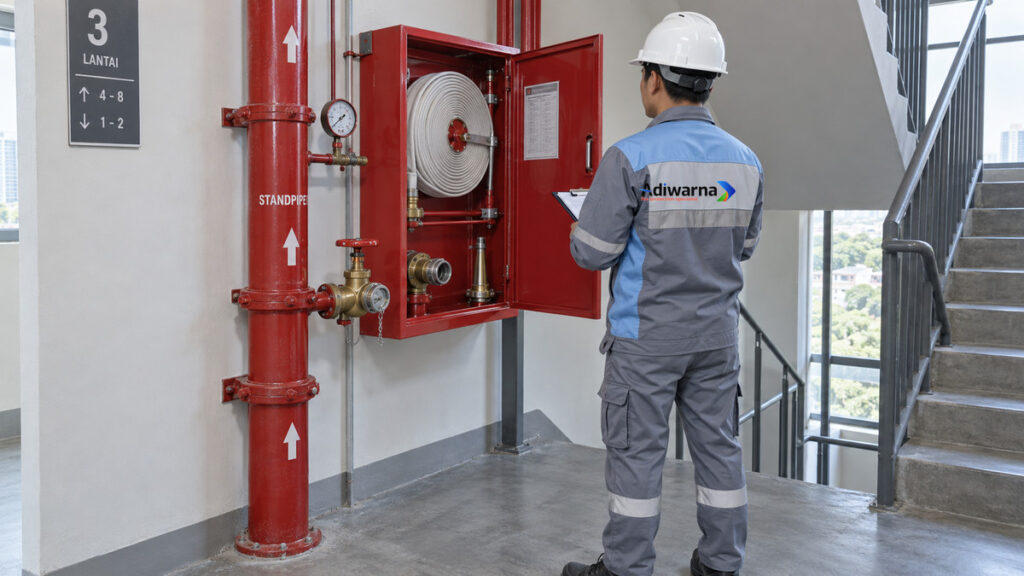
Standpipe Class: Class I vs Class III Guide
Standpipe Class defines whether a standpipe system is intended mainly for fire department use, trained in-house responders, or a combination of both. This article compares Class I and Class III from selection, user intent, and design review perspectives. It is not an NFPA 14 overview, not a hydrant flow test guide, not a hydrant hydraulic calculation article, not a hydrant pump page, and not a general hydrant system introduction.
For high-rise buildings, industrial facilities, hospitals, campuses, hotels, and mixed-use properties, the useful question is not only which standard appears in the specification. The useful question is who will operate the hose connection during a fire, under which procedure, with which training, and with what support from the fire department. That is why Standpipe Class should be reviewed together with emergency response strategy, fire brigade access, pressure zones, pump capacity, pressure control, and local approval requirements.
Quick answer about Standpipe Class
Standpipe Class is the classification of a standpipe system based on hose connection arrangement and intended users. In practical design review, Class I normally focuses on large hose connections for the fire department or trained fire-fighting personnel. Class III combines fire department connections with hose station provisions for trained building users or an internal brigade where the project permits that approach. The final decision must follow the adopted code, NFPA 14 2024 when it is part of the design basis, SNI 03-1745-2000 for Indonesian context, and the authority having jurisdiction.
If the building strategy relies on professional fire department response and does not want occupants operating hose stations, Class I is often the first review point. If the facility has a valid internal response requirement, trained personnel, maintenance discipline, and written procedures, Class III can be considered. NFPA should not be described as Indonesian law by default. It becomes a binding basis when adopted by contract, specification, insurer requirement, owner standard, or jurisdictional decision.
Class I versus Class III comparison
The main difference is not the label on a drawing. It is the intended user, hose connection type, operating expectation, and maintenance burden. Class I supports fire department operations. Class III adds an internal hose station function while still supporting fire department use. Therefore, Standpipe Class affects cabinet design, hose valve location, pressure reducing devices, signage, drain planning, acceptance testing, and long-term inspection routines.
| Review item | Class I | Class III | Design implication |
|---|---|---|---|
| Primary user | Fire department or trained fire-fighting personnel | Fire department plus approved internal hose station users | User intent must be stated in the design basis |
| Operating purpose | Professional fire attack support | Combined professional and limited internal response | Training and procedures become part of the safety case |
| Typical components | Hose valves, risers, FDC, pressure control | Class I elements plus hose station provisions | More components require inspection and maintenance |
| Misuse risk | Lower for general occupants | Higher without training and control | Signage, SOP, and supervision are critical |
| Commissioning focus | Flow, pressure, valve operation, FDC, interface | Class I checks plus hose station readiness | Acceptance checklist is broader |
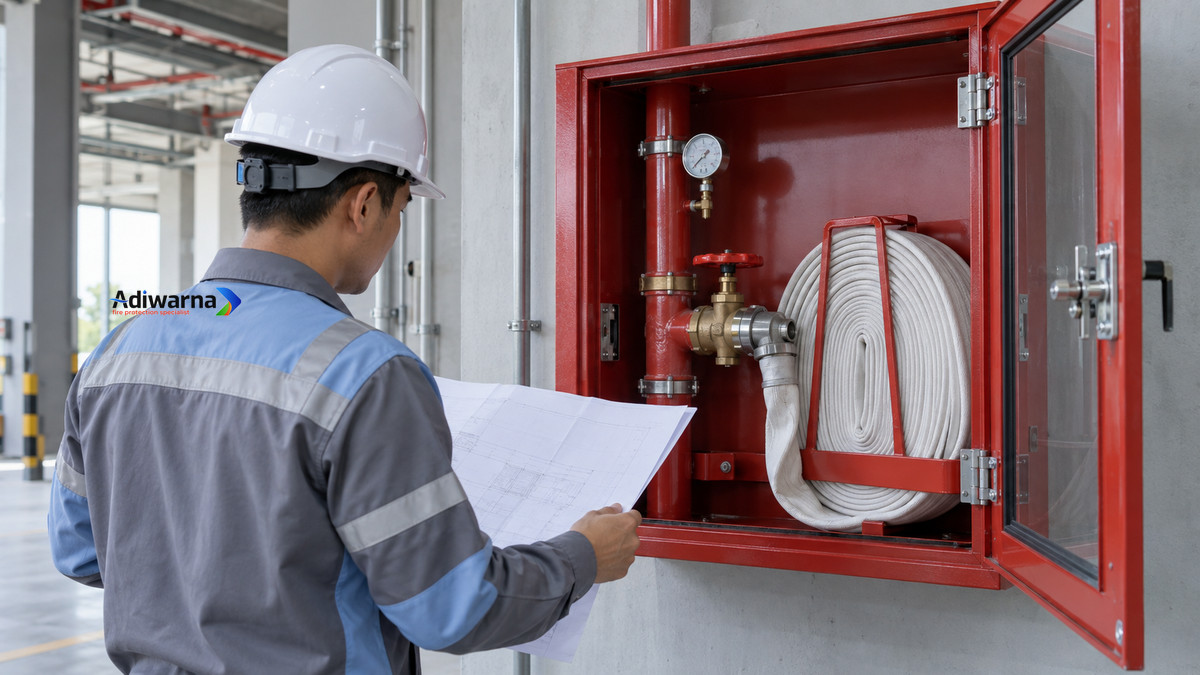
When Standpipe Class I is appropriate
Standpipe Class Class I is appropriate when the system is intended to support fire department operations and the building does not plan for occupants to use hose stations. This strategy is common in many modern commercial buildings where evacuation, detection, sprinkler protection, fire department access, and compartmentation form the life-safety approach. Class I can also reduce the risk of untrained occupants handling high-pressure hose, blocking exit routes, or creating slip hazards during an emergency.
Class I is not a shortcut. Engineers still need to review hose connection locations, travel distances, riser protection, pressure zones, valve supervision, fire department connection placement, drain points, signage, and integration with the fire pump. Readers who need pump-specific context should use the Hydrant Pump page instead of treating this article as a pump selection guide. Readers who need friction loss, demand, and scenario-flow calculation context should refer to Hydraulic Calculation Hydrant.
When Standpipe Class III is considered
Standpipe Class Class III is considered when the owner, insurer, design team, or facility manager has a defensible reason to provide internal hose station capability. Examples may include large facilities, special process areas, trained emergency response teams, or owner standards that require an initial manual water stream option. The decision should be supported by training, operating limits, inspection records, hose and nozzle readiness, cabinet access, and periodic drills.
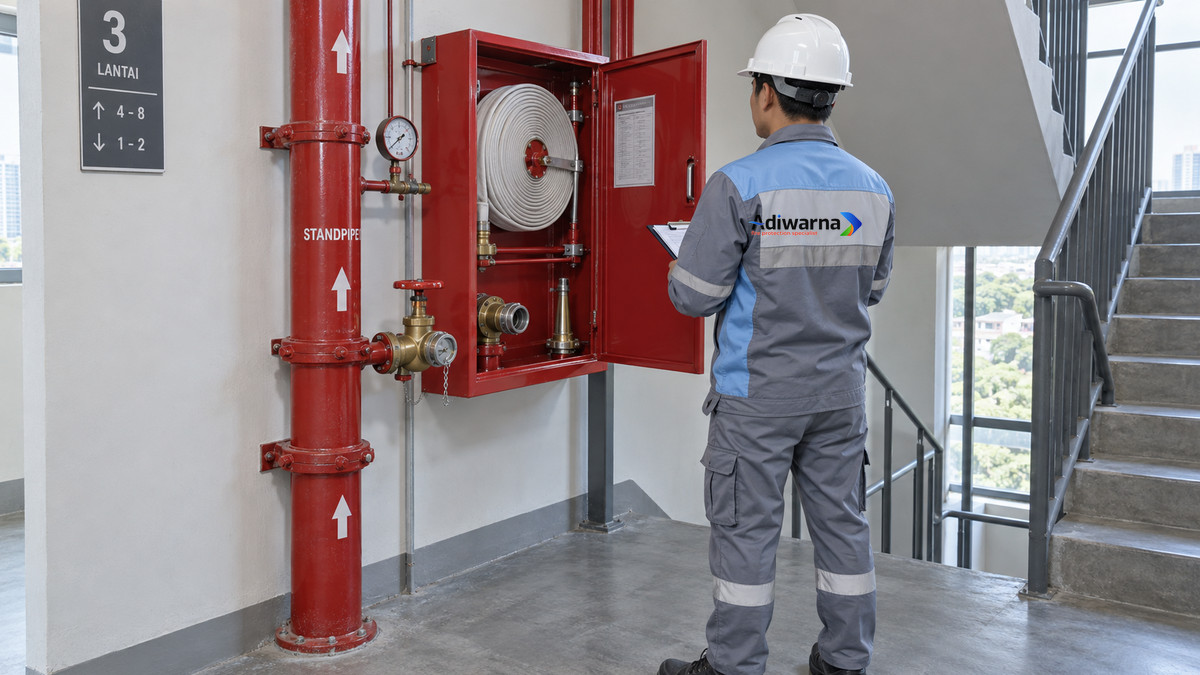
Class III also requires an ergonomic and operational review. Can the hose be deployed without blocking the stair? Is the nozzle suitable for the expected user? Residual pressure must be controlled. Is there a safe drain route for testing? The hose station should be protected against damage or unauthorized use. These questions show why Standpipe Class Class III is more than an equipment upgrade.
User intent before equipment selection
People searching this topic usually have one of three intents. Owners want to know which class is safer and more cost-effective. Engineers want to validate the design basis, pressure control, water supply, and code references. Procurement teams want to compare contractor scope without confusing Class I and Class III. A useful article must answer all three without cannibalizing general hydrant pages.
The central design review question is simple: who is expected to use the hose, at what fire stage, under whose procedure, and with what training? If the answer is only “because it looks complete,” the basis is weak. The NFPA 14 Hydrant System page can support broader standard context, but this page stays focused on the Class I versus Class III decision.
Design review process for Standpipe Class
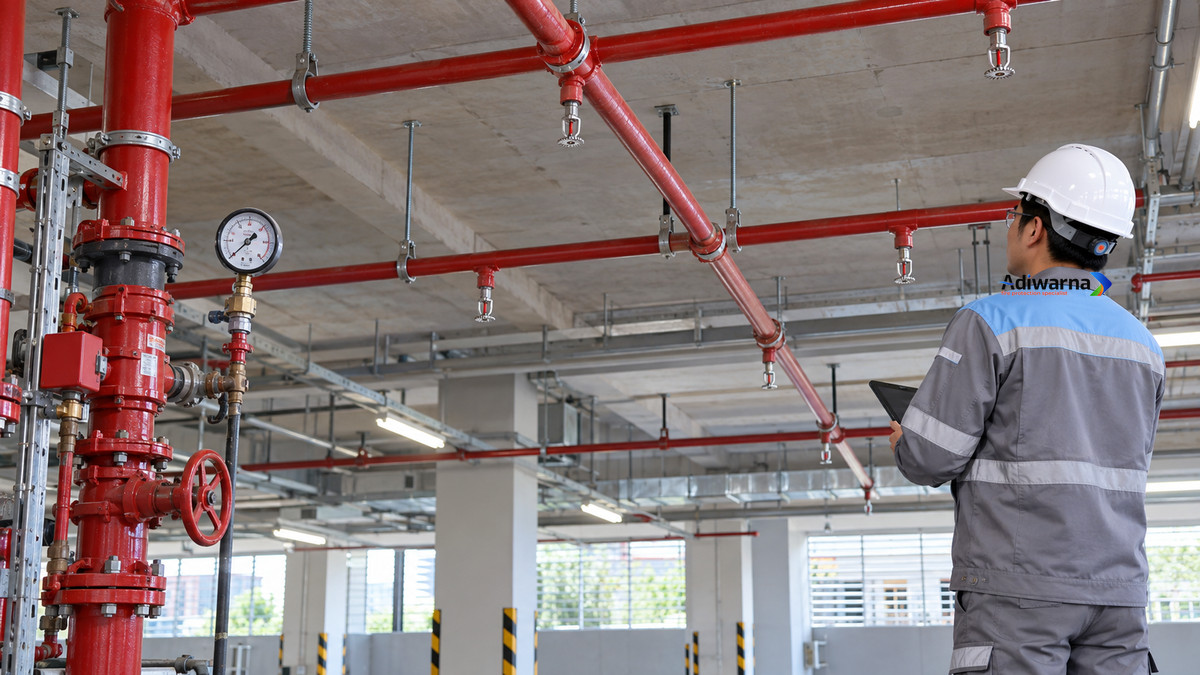
Standpipe Class review should start with documents before field observation. Gather the design basis, architectural drawings, fire protection drawings, pump curve, riser diagram, valve schedule, equipment submittals, testing records, and operation procedures. Then compare the specified class with what is actually installed. Many project gaps appear when the specification states one class while cabinets, hose valves, hoses, or operating procedures indicate another intent.
Standpipe Class approval checklist
- Confirm that Class I or Class III is clearly stated in the design basis.
- List the adopted references: NFPA 14 2024, SNI 03-1745-2000, insurer standard, owner standard, or local requirement.
- Identify the intended users: fire department, internal brigade, or trained occupants.
- Check hose connection locations against stairs, exits, risk areas, and fire department access.
- Review pump capacity, pressure zones, pressure reducing valves, and test arrangements.
- Confirm FDC, signage, drain points, valve supervision, and alarm interface scope.
- For Class III, review hose station readiness, nozzle condition, cabinet access, SOP, and training records.
- Record differences between drawings, installed materials, and actual operations.
Standards context: NFPA, SNI, and jurisdiction
Standpipe Class decisions must be placed in the right standards context. NFPA 14 is the NFPA standard for the installation of standpipe and hose systems. SNI 03-1745-2000 is the Indonesian standard for planning and installing standpipe and hose systems for fire prevention in buildings, and the BSN catalog page identifies its status as active. These references matter, but their legal role depends on adoption, contract language, local regulation, and approval authority.
For Indonesian projects, the design team should separate three layers: mandatory local regulation or AHJ requirements, applicable national standards, and international standards adopted by the owner, consultant, insurer, or project specification. This distinction prevents inaccurate claims that NFPA is automatically Indonesian law. It also helps the project team explain why a requirement is being applied during design review and commissioning.
Common selection mistakes
The first mistake is choosing Class III because it appears more complete, while ignoring training, inspection, misuse risk, and operating responsibility. A second problem is specifying Class I while installing internal hose station elements without a clear procedure. Another risk is writing a loose specification that allows bidders to price different scopes. A fourth weakness appears when reviewers check only pumps and pipe sizes while ignoring fire alarm interface, valve monitoring, drain provisions, access control, and fire department route planning.
Finally, teams often mix hydrant, hose reel, hose rack, and standpipe terminology. This article uses Standpipe Class as the semantic focus to avoid that problem. Yard hydrants, hydrant flow testing, hydraulic calculations, and pump selection remain separate content topics inside the Hydrant / NFPA 14 cluster.
Testing, commissioning, and acceptance
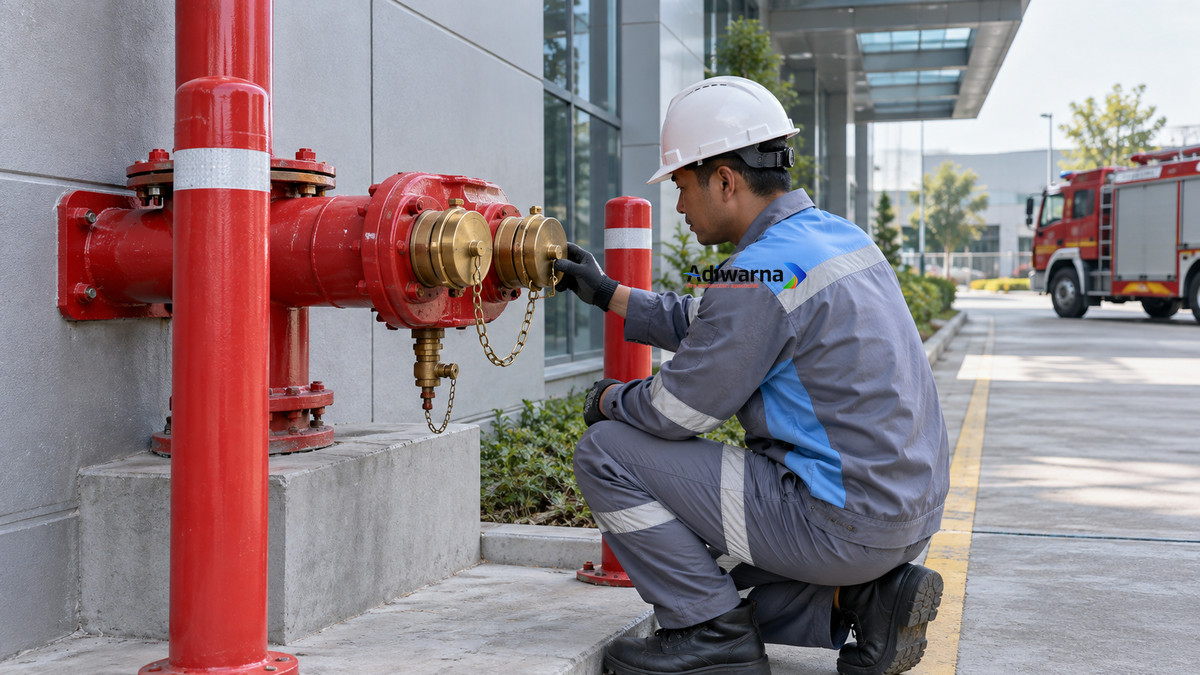
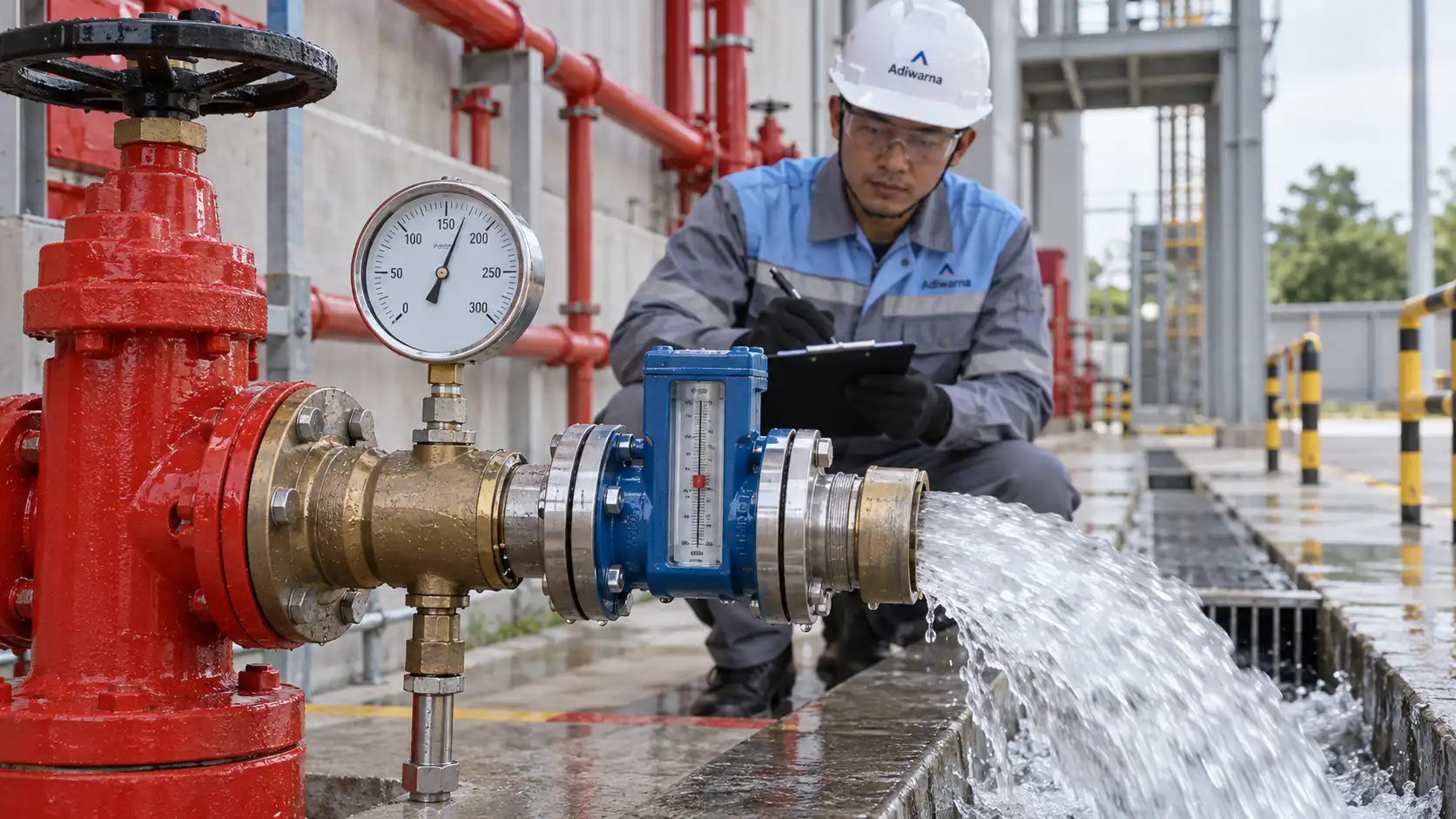
Standpipe testing must follow the adopted design basis, project procedure, referenced standard, manufacturer documentation, and safety controls. A review normally includes hydrostatic testing, flushing where relevant, valve operation, hose connection location checks, pressure readings, flow scenarios, drainage, FDC readiness, and punch-list documentation. For Class III, the team should also inspect hose station components, nozzle condition, cabinet access, labels, and internal user readiness.
This article does not provide do-it-yourself fire-fighting instructions. Its purpose is to help owners and engineers ask better questions before commissioning. Field testing should be coordinated with the fire protection contractor, safety officer, building management, and authority representatives. A correct Standpipe Class in the document must be proven by consistent installation, testing, and operating procedures.
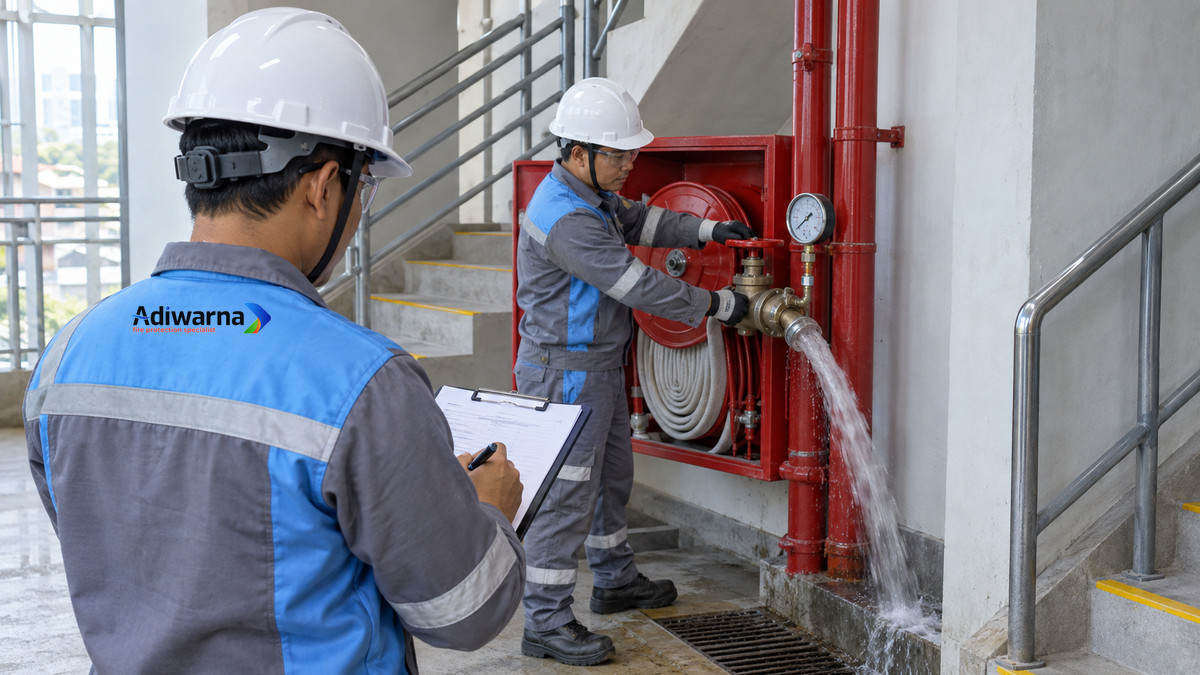
CTA: review Standpipe Class with Adiwarna
Adiwarna Fire Protection Specialist can help review standpipe systems, hydrant networks, pumps, valves, and commissioning documents so the Class I or Class III decision matches the project risk. If you are preparing a new design, auditing an existing building, or planning acceptance testing, contact the Adiwarna team through Adiwarna contact. Bring drawings, design basis, pump data, and test records so the discussion can stay technical.
FAQ about Standpipe Class
Is Standpipe Class I always better than Class III?
No. These two options serve different intents. For fire department operations, Class I is suitable when the system is intended for professional fire-fighting use. For mixed-use response, Class III is suitable only when internal hose station use is justified, trained, and controlled.
Is NFPA 14 automatically mandatory in Indonesia?
No. NFPA 14 becomes binding when adopted by contract, specification, insurer requirement, owner standard, or an authority decision. Indonesian projects should also review SNI 03-1745-2000 and local requirements.
Does Class III mean occupants should fight fires?
No. Hose station use depends on training, SOP, safety limits, and facility policy. Life safety and evacuation remain the priority.
What documents are needed for review?
At minimum, prepare drawings, riser diagrams, design basis, pump curves, valve schedules, submittals, test records, and building operating procedures.
Conclusion
Standpipe Class is a design decision that connects standards, users, risk, and building operations. Class I and Class III should not be selected from habit or from a material list alone. Start with user intent, match it with the adopted NFPA or SNI basis, then verify the decision through design review and commissioning. With this scope, the article supports the Hydrant / NFPA 14 cluster without taking over the intent of overview, hydrant flow test, hydraulic calculation, hydrant pump, or general hydrant system pages.