
Implementing a reliable fire alarm system is not just about meeting basic regulations.
Furthermore, it is the primary line of defense in high-risk industries like Data Centers, Oil & Gas, and Factories.
A failing detection system can cause fatal consequences for human life and business continuity.
Therefore, a deep understanding of this technology is absolutely crucial for business owners and facility managers.
This article will thoroughly discuss the fire alarm system solutions for complex B2B requirements.
Why High-Risk Industries Need More Than Standard Alarms
Industrial facilities like factories or refineries store highly flammable materials.
Consequently, a tiny spark or excessive heat can trigger a massive explosion in seconds.
Therefore, you cannot rely on ordinary residential smoke detectors for environments like this.
Integrated fire protection solutions for chemical plants.
Moreover, Data Centers also have unique yet highly critical risk characteristics.
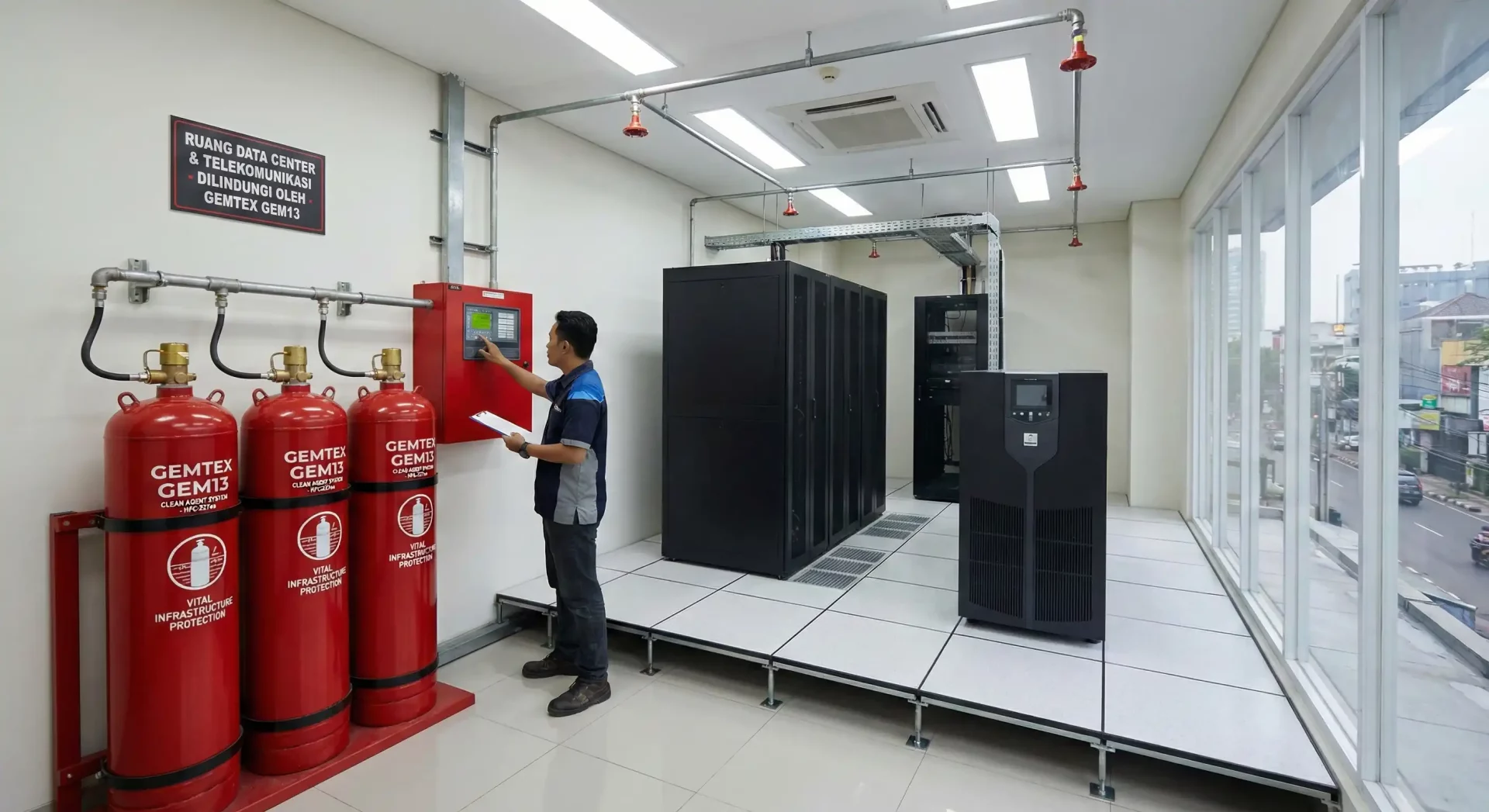
Sensitive server equipment inside is vulnerable to damage, even by thin smoke residue.
As a result, any resulting downtime can cause massive financial losses for your company.
Similarly, Oil & Gas facilities face constant threats from volatile hydrocarbon leaks.
Therefore, they require specialized explosion-proof detectors that standard commercial buildings never use.
In conclusion, high-risk industries require a fire alarm system with superior sensitivity and industrial-grade reliability.
Understanding the Core Components of a Fire Alarm System
Let us dissect the technical architecture of this essential fire protection system.
A complete system consists of several components that integrate tightly together.
Firstly, this system features components called Initiating Devices.
These devices actively detect the early signs of a fire in your facility.
Examples include smoke detectors, heat detectors, flame detectors, and manual pull stations.
NFPA 72 standard on National Fire Alarm Code.
Secondly, Notification Appliances function to provide immediate and clear warnings.
They alert building occupants through high-decibel sirens, strobe lights, or voice evacuation systems.
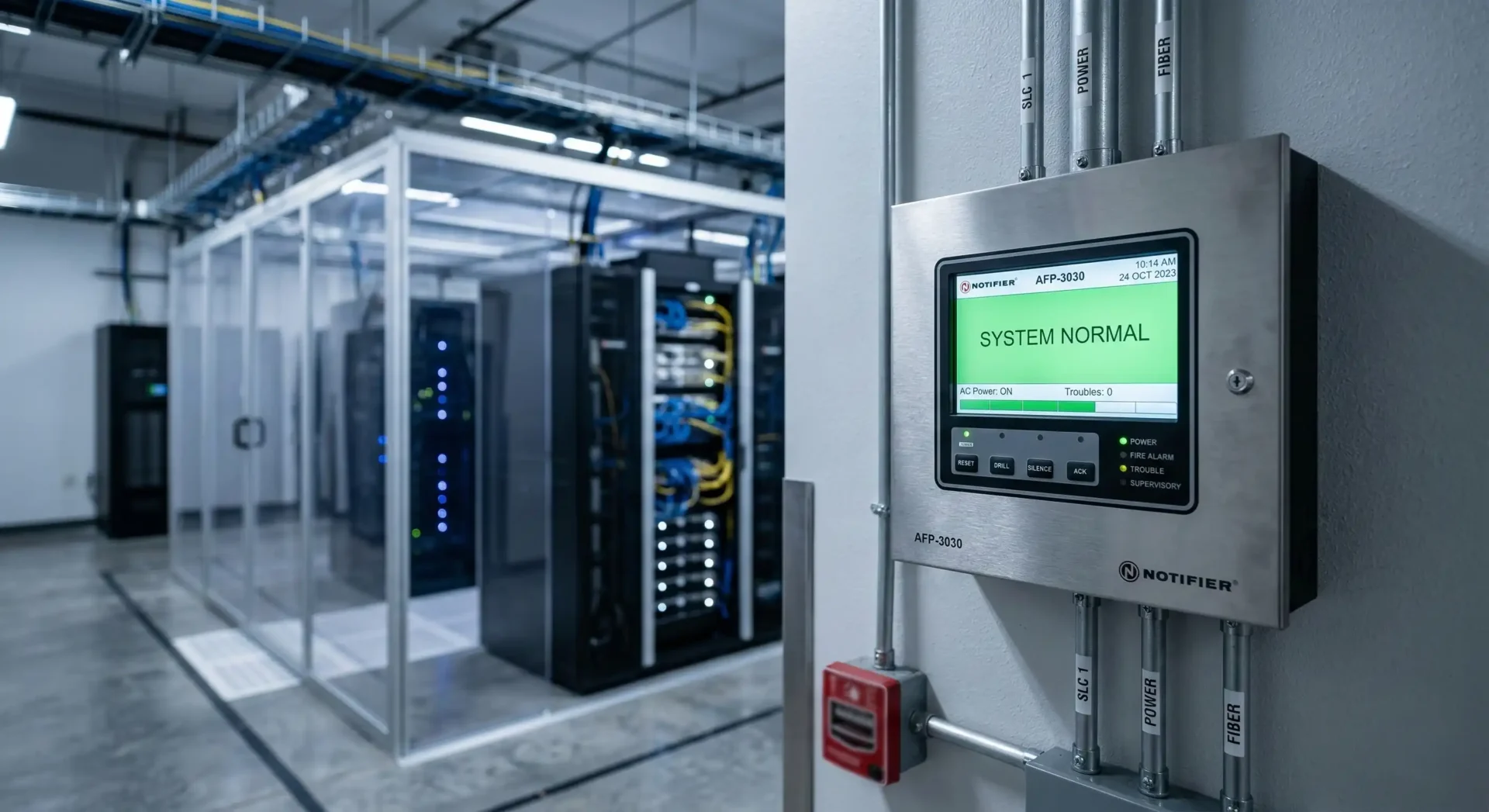
Furthermore, the most vital component is the Fire Alarm Control Panel (FACP).
The FACP receives signals from detection devices and activates the appropriate emergency notifications.
Additionally, every system requires a robust primary and secondary power supply.
The secondary power supply uses backup batteries to keep the system running during power outages.
Consequently, your facility remains protected even during a severe electrical grid failure.
Finally, this system can interact with an Automatic Fire Suppression System to extinguish the fire.
Types of Fire Alarm System: Conventional vs. Addressable

There are two main categories in current fire alarm technology.
Selecting the right type depends heavily on the scale and complexity of your facility.
1. Conventional Systems
Conventional systems work by dividing the building into several distinct detection zones.
We can only determine the general fire location based on the active zone on the control panel.
However, we cannot pinpoint the specific device that detected the hazard.
Therefore, this system is more suitable for smaller-scale buildings with simpler layouts.
2. Addressable Systems
Conversely, an addressable system assigns a unique digital identity to every single detector device.
As a result, the control panel can identify the exact location of the fire point specifically.
For example, the panel might display: “Smoke Detector in Server Room Floor 2, Rack 4 is active.”
This advantage is highly crucial for a rapid emergency response in large factory areas or Data Centers.
Addressable fire alarm system installation services by PT Adiwarna.
Consequently, this system represents the primary standard we strongly recommend for high-risk industries.
Smart Integration and Regulatory Compliance
Modern technology allows a fire alarm system to integrate with the building management system (BMS).
This integration can automatically shut down the ventilation system (HVAC) during a fire event.
This action aims to prevent the dangerous spread of toxic smoke to other areas inside the building.
Moreover, electronically locked emergency doors can open automatically to facilitate rapid evacuation.
Furthermore, the system can trigger elevator recall functions during an active emergency.
This feature brings all elevators to the ground floor and disables them for civilian passenger use.
As a result, firefighters can take control of the elevators for rescue operations safely.
In Indonesia, implementing this system must comply strictly with SNI standards and Fire Department regulations.
PT Adiwarna Anugerah Abadi ensures every design and installation meets international standards like NFPA.
This strict compliance ensures your system is reliable and recognized by industrial insurance companies.
Key Considerations Before Installation Fire Alarm System
You must evaluate several critical factors before installing a new protective system.
Firstly, assess the specific environmental conditions of your industrial facility thoroughly.
High humidity, extreme temperatures, or corrosive chemicals dictate the type of detectors you need.
Therefore, selecting weather-proof or explosion-proof components becomes an absolute necessity in certain areas.
Secondly, consider the future scalability of your facility’s infrastructure.
You might expand your Data Center or add a new production line in the near future.
As a result, your chosen control panel must support additional devices and zones seamlessly.
Consultation for scalable fire protection design.
Finally, evaluate the integration capabilities of the new system with your existing infrastructure.
Therefore, we strongly recommend open-protocol systems to give you better flexibility and long-term control.
The Importance of Routine Maintenance and Inspections
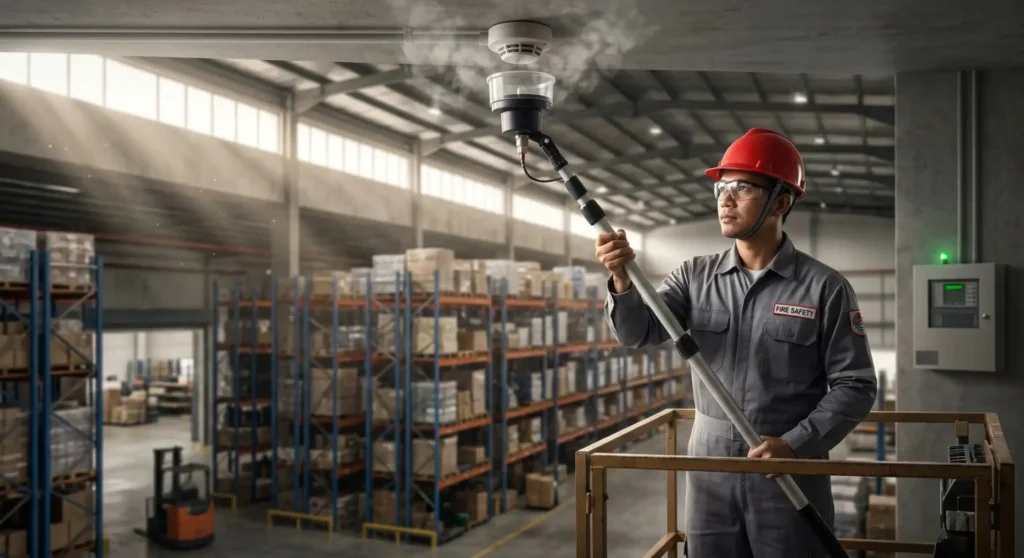
Installing a sophisticated system becomes entirely useless without consistent and professional maintenance.
Dust, dirt, and component age can significantly degrade detector performance over time.
Therefore, you must perform visual inspections and functional testing regularly.
As a result, you can detect potential system failures before a real disaster strikes your facility.
We provide comprehensive maintenance contract services to keep your fire alarm system on standby 24/7.
Industrial fire protection system maintenance services.
Never ignore a “Trouble” or “Fault” warning on your main alarm control panel.
Immediately contact a certified technician to perform repairs and ensure absolute facility safety.
Conclusion: Protect Your Investment and Lives with Adiwarna
A fire alarm system is a fundamental investment for the safety of high-risk industrial facilities.
Given its immense technical complexity, you need a partner with proven engineering expertise.
PT Adiwarna Anugerah Abadi (adiwarna.co.id) serves as a trusted specialist in design, installation, and maintenance.
We understand the extremely strict standards required by the Data Center, Oil & Gas, and Factory industries.
Our fire protection engineering team is ready to help you design specific solutions for your unique facility needs.
Firstly, we will conduct a comprehensive and detailed risk assessment at your specific location.
Do not wait until a catastrophic disaster occurs. Secure your valuable assets and employee lives right now.
In conclusion, immediately contact our specialists at PT Adiwarna Anugerah Abadi for technical consultations and the best offers.