















Fire alarm system is the main foundation for early fire detection in high-risk industrial facilities. This system provides fast warnings before fire grows larger. Therefore, businesses can take quicker and more measured action.
In data centers, factories, and oil and gas facilities, delayed detection can cause major losses. Asset damage, downtime, and safety risks can happen within minutes.
In addition, a fire alarm system must not be installed only as a formality. The system must follow risk levels, building layout, technical standards, and operational needs.
PT Adiwarna Anugerah Abadi provides professional fire protection solutions. Adiwarna helps businesses design, install, test, and maintain reliable fire alarm systems.
Fire alarm system installation service by PT Adiwarna Anugerah Abadi
Why Fire Alarm System Is Important

Fire alarm system detects early signs of fire. It can detect smoke, heat, flame, or certain abnormal conditions. As a result, occupants and security teams can respond faster.
First, this system supports evacuation. Second, it sends signals to emergency response teams. In addition, it can connect with other fire protection devices.
In modern facilities, fire alarms often integrate with sprinklers, gas suppression, hydrants, lifts, access control, and building management systems. Therefore, integration design must be handled carefully.
NFPA 72 National Fire Alarm and Signaling Code
Fire Risks in High-Risk Industries
Every industry has different risk patterns. Therefore, fire alarm system design must match each facility’s characteristics.
Data Centers
Data centers contain servers, UPS units, batteries, cables, electrical panels, and cooling systems. These components have high asset value. In addition, downtime can damage business reputation.
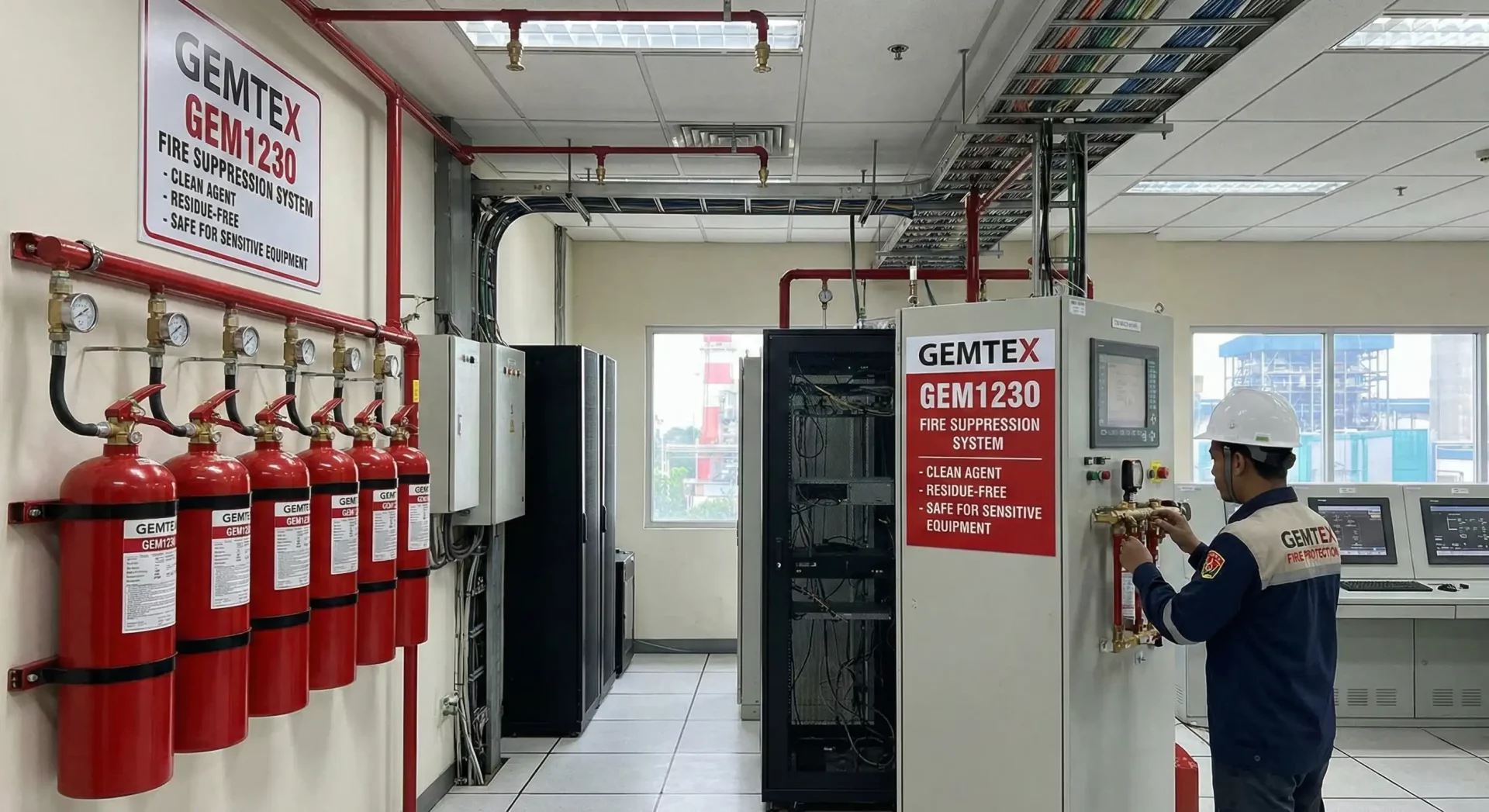
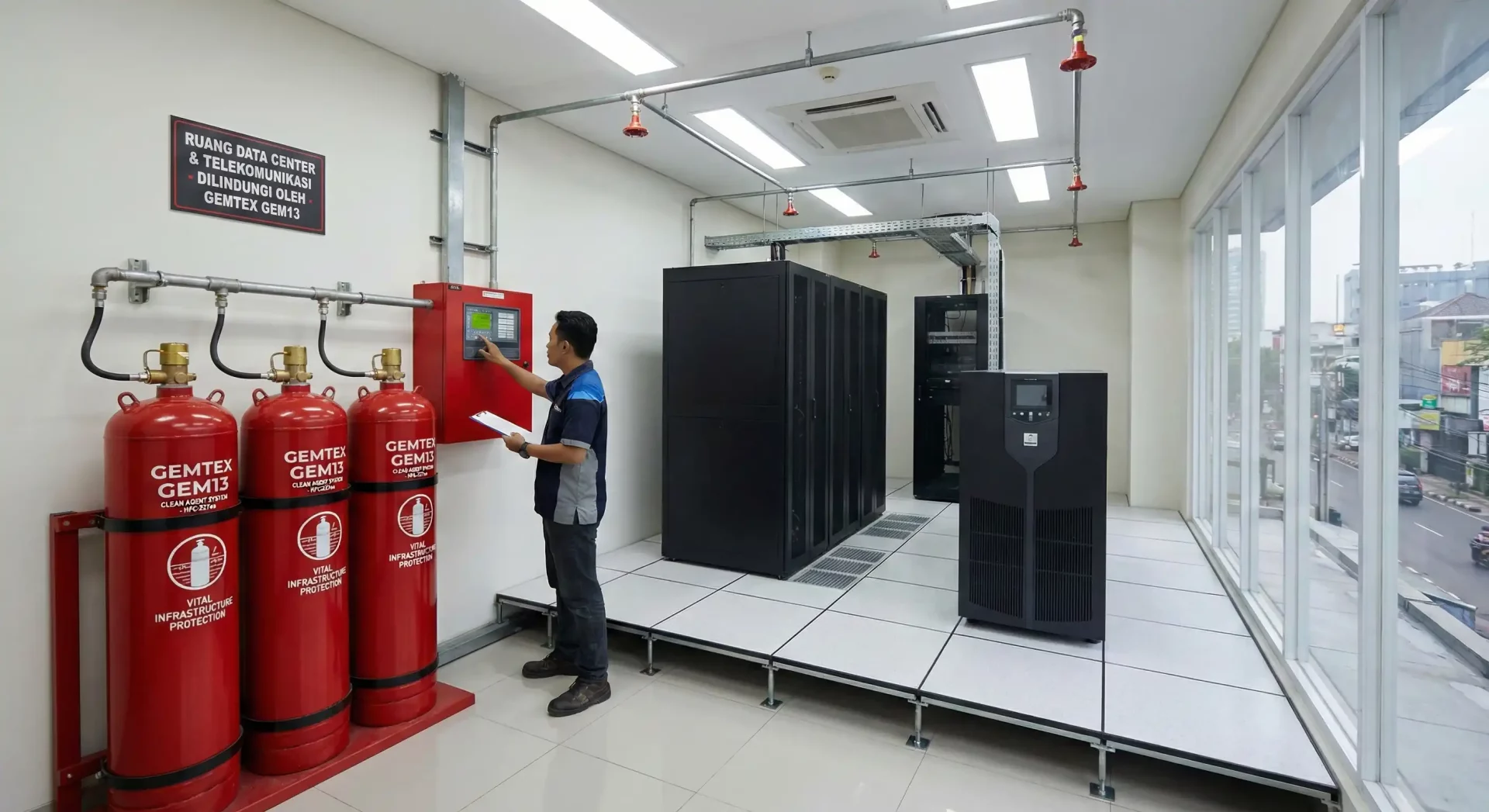
Therefore, data centers need very sensitive early detection. The system can use smoke detectors, heat detectors, aspirating smoke detectors, and gas suppression integration.

Fire protection solutions for data centers
Oil & Gas Facilities
Oil and gas facilities carry risks from flammable materials. Process areas, storage tanks, pumps, and loading bays need strict monitoring. Therefore, detector selection must follow area classification.

In addition, some areas require explosion-proof devices. Engineers must consider the work environment, flammable gas, temperature, humidity, and corrosion risk.
Factories and Warehouses
Factories face risks from production machines, electrical panels, raw materials, and operator activity. Meanwhile, warehouses face risks from stored goods and combustible packaging.
Therefore, fire alarm system design must follow room function. Detectors in production areas may differ from detectors in offices or warehouses.
Main Components in a Fire Alarm System
A fire alarm system consists of several main devices. Each component has a specific function. Therefore, all devices must work as one complete system.
Common main components include:
- Fire alarm control panel.
- Smoke detector.
- Heat detector.
- Manual call point.
- Alarm bell.
- Sounder strobe.
- Input module.
- Output module.
- Annunciator panel.
- Power supply and backup battery.
- Fire-resistant cable.
- Interface to other fire protection systems.
In addition, the system needs proper technical documentation. Documentation supports inspection, testing, maintenance, and safety audits.
Common Types of Fire Alarm System

Choosing the right system type strongly affects protection performance. Therefore, engineers must understand building needs before defining specifications.


Conventional Fire Alarm System
A conventional system divides the building into several zones. When an alarm activates, the panel shows the affected zone. However, it does not show the exact device location.
This system suits small to medium buildings. In addition, its cost is usually simpler than an addressable system.
Addressable Fire Alarm System
An addressable system gives a unique identity to each device. Therefore, the panel can show the detector or manual call point location more accurately.
This system suits data centers, large factories, hospitals, high-rise buildings, and complex facilities. In addition, it makes troubleshooting easier.
Semi-Addressable Fire Alarm System
A semi-addressable system sits between conventional and addressable systems. It can be an option for facilities that need better control with more efficient cost.
However, system selection must still follow technical needs. Do not choose a system only because the initial price is lower.
Important Standards for Fire Alarm System
Fire alarm system design must refer to relevant technical standards. Standards help ensure the system works safely, consistently, and can be tested.
Common references include:
- NFPA 72 for fire alarm and signaling systems.
- Relevant SNI standards for fire detection and alarm systems.
- Applicable building regulations.
- Company HSE requirements.
- Insurance and safety audit requirements.
In addition, standards must be translated into field conditions. Engineers need to adjust the design to risk level, layout, environment, and operations.
Official standard for fire detection and alarm systems
Fire Alarm System Planning Stages
Good planning determines system quality. Therefore, a project should not move directly into installation without technical analysis.
1. Site Survey
First, the team conducts a site survey. They check room functions, ceiling height, cable routes, electrical panels, and fire risks.
In addition, the team reviews facility operations. This data helps engineers choose the right device type.
2. Fire Risk Identification
Next, the team groups areas based on risk. Server rooms, battery rooms, panel rooms, warehouses, and production areas have different characteristics.
Therefore, each area needs a different detection approach. Smoke detectors do not always suit every room.
3. Device Layout Design
After that, engineers define the positions of detectors, manual call points, sounders, strobes, and panels. The layout must support detection and evacuation.
In addition, engineers must consider physical obstacles. Ducting, high ceilings, large machines, and warehouse racks can affect detection coverage.
4. System Integration

Then, engineers design system integration. Alarms can send signals to sprinklers, gas suppression systems, lifts, access doors, and BMS.
As a result, the facility has a more coordinated fire response. Good integration also reduces operational errors.
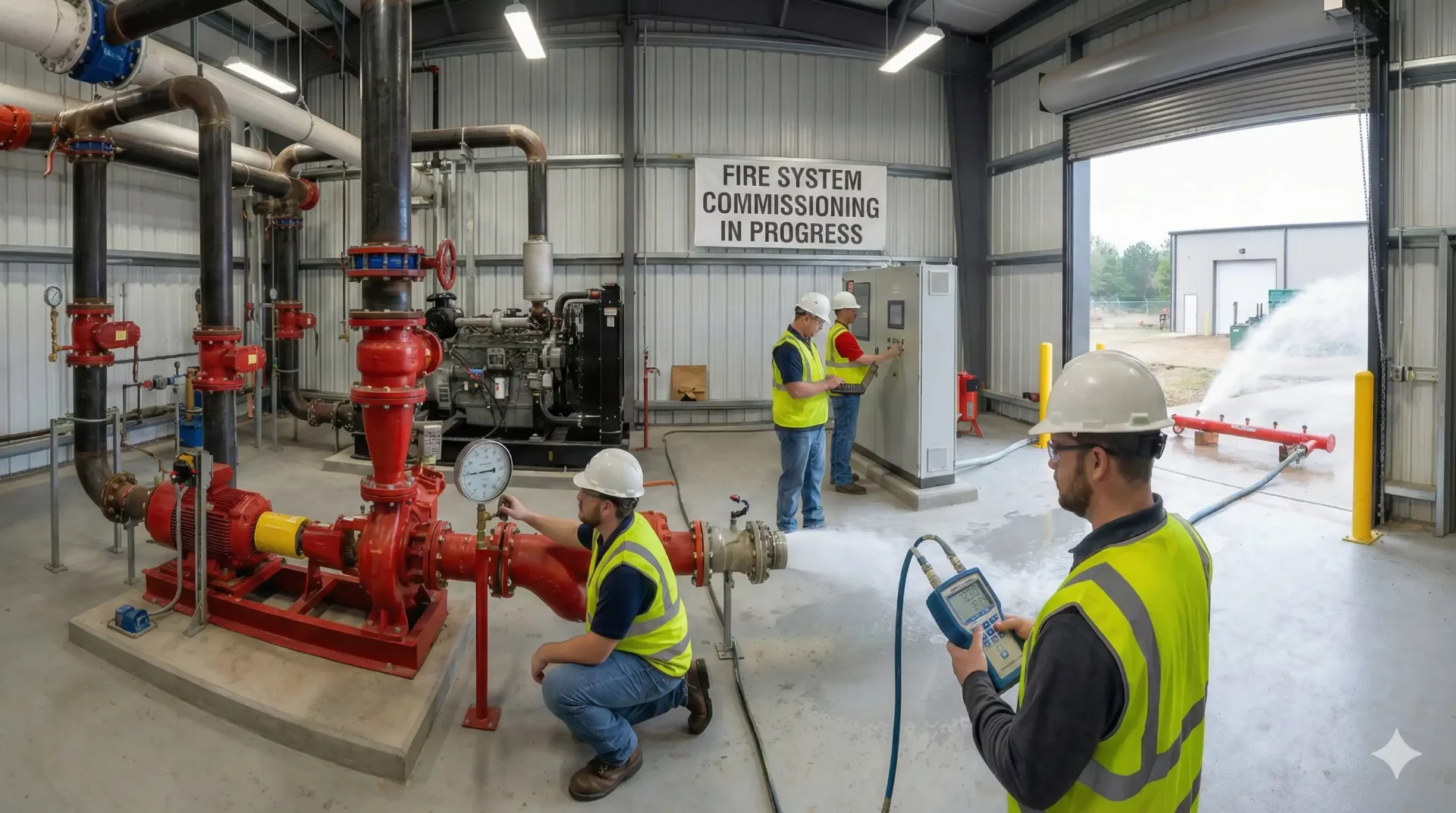
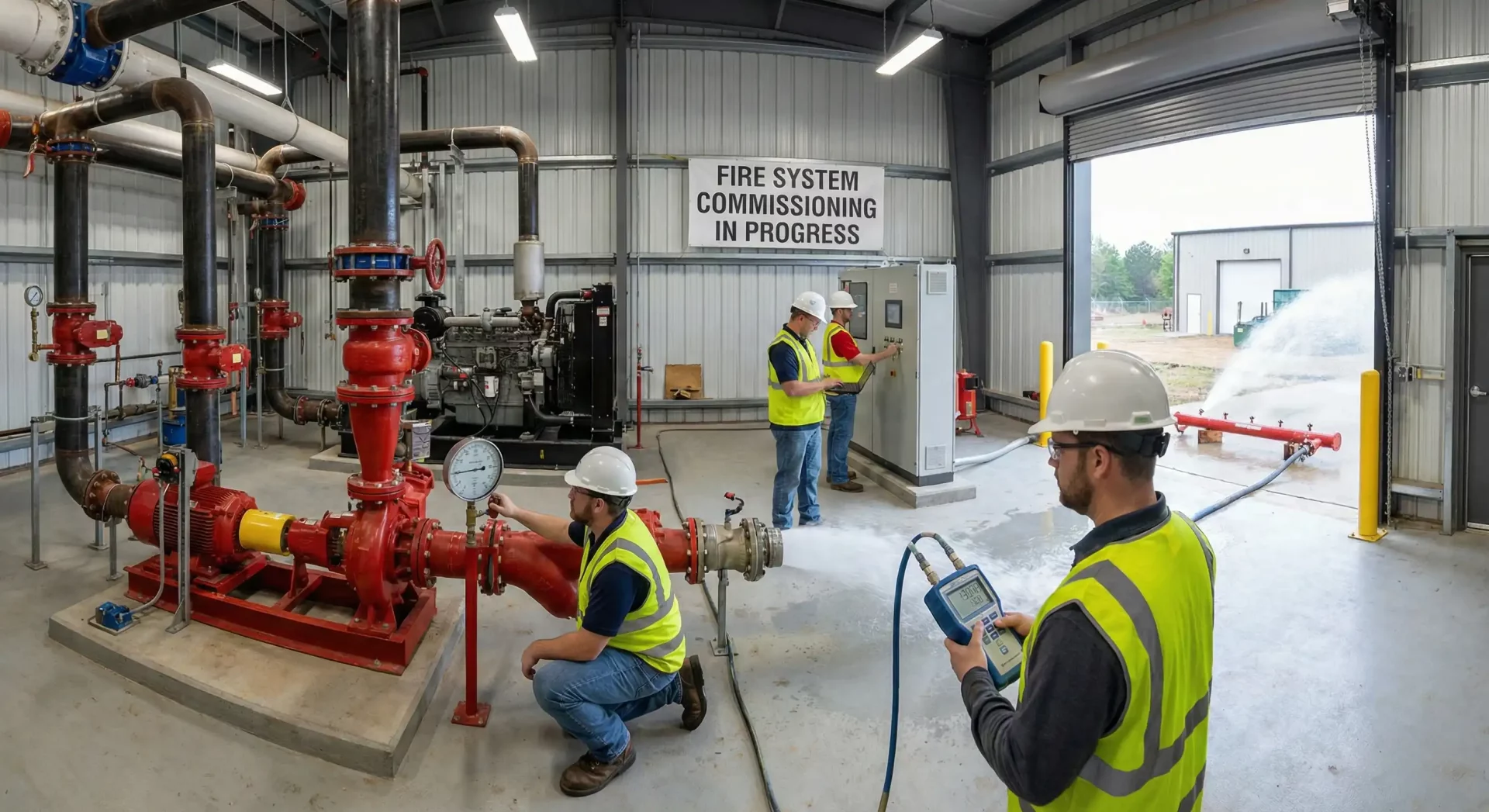
5. Testing and Commissioning
After installation, the team performs complete testing. Testing includes detector activation, manual call point activation, alarm sounder checks, strobe checks, and panel checks.
In addition, the team checks backup batteries, loop communication, and interfaces with other systems. Test results must be documented properly.
Common Mistakes in Fire Alarm System
Fire alarm system problems often happen because of poor design. Many facilities install devices without an adequate risk study.
Common mistakes to avoid include:
- Choosing detectors without reviewing room characteristics.
- Placing detectors too close to dust sources.
- Ignoring high ceilings and airflow.
- Using cables that do not meet specifications.
- Providing inadequate backup battery capacity.
- Skipping regular system testing.
- Failing to prepare as-built drawings.
- Not training facility personnel.
In addition, false alarms often happen due to poor design. False alarms can make occupants ignore real alarms.
Fire Alarm System for Data Centers
Data centers need fast and precise detection systems. Therefore, fire alarm system design must detect smoke at a very early stage.
Aspirating smoke detectors are often used in critical areas. This system draws air samples through small pipes. Then, the device analyzes smoke particles with high sensitivity.
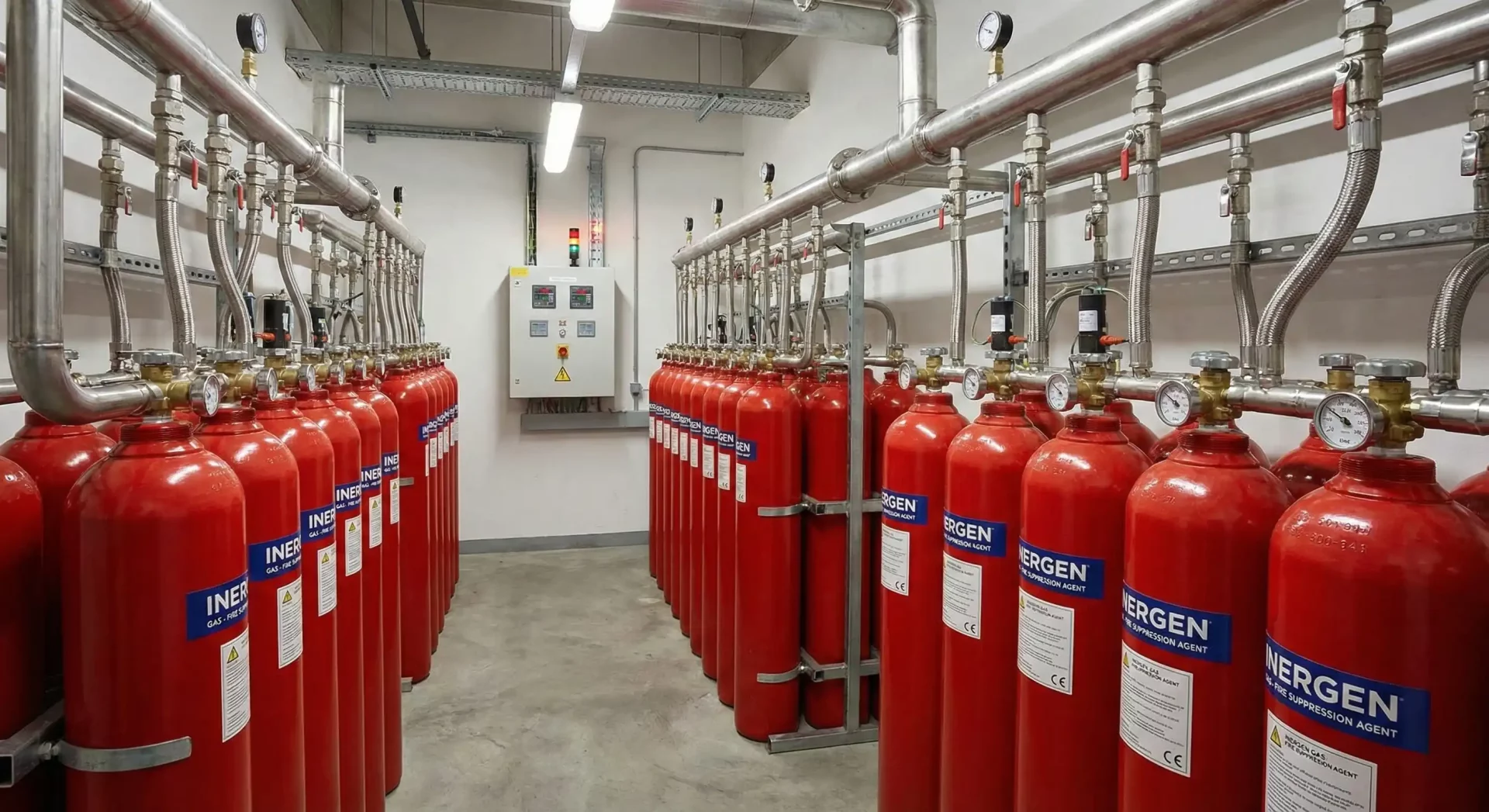
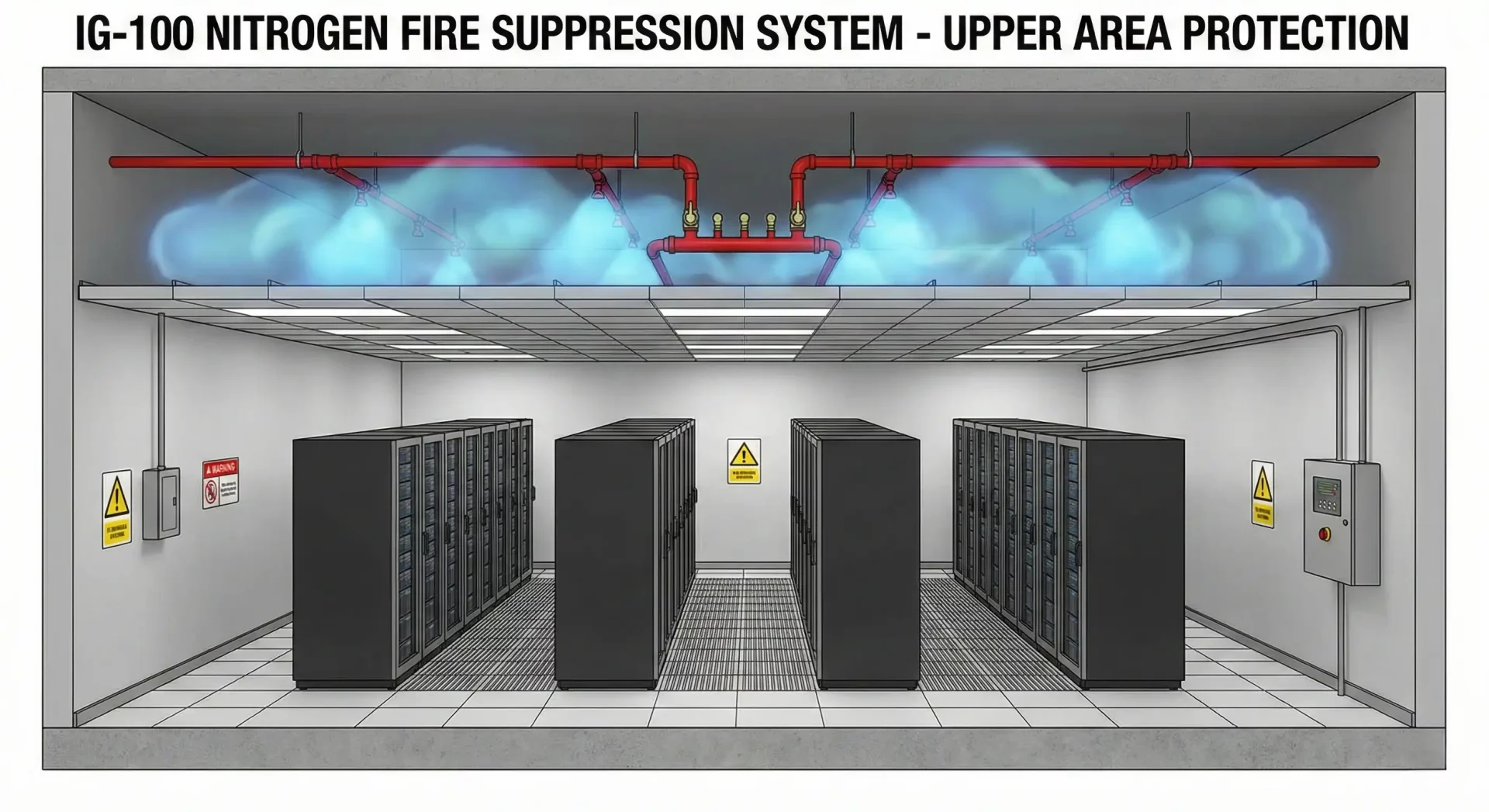
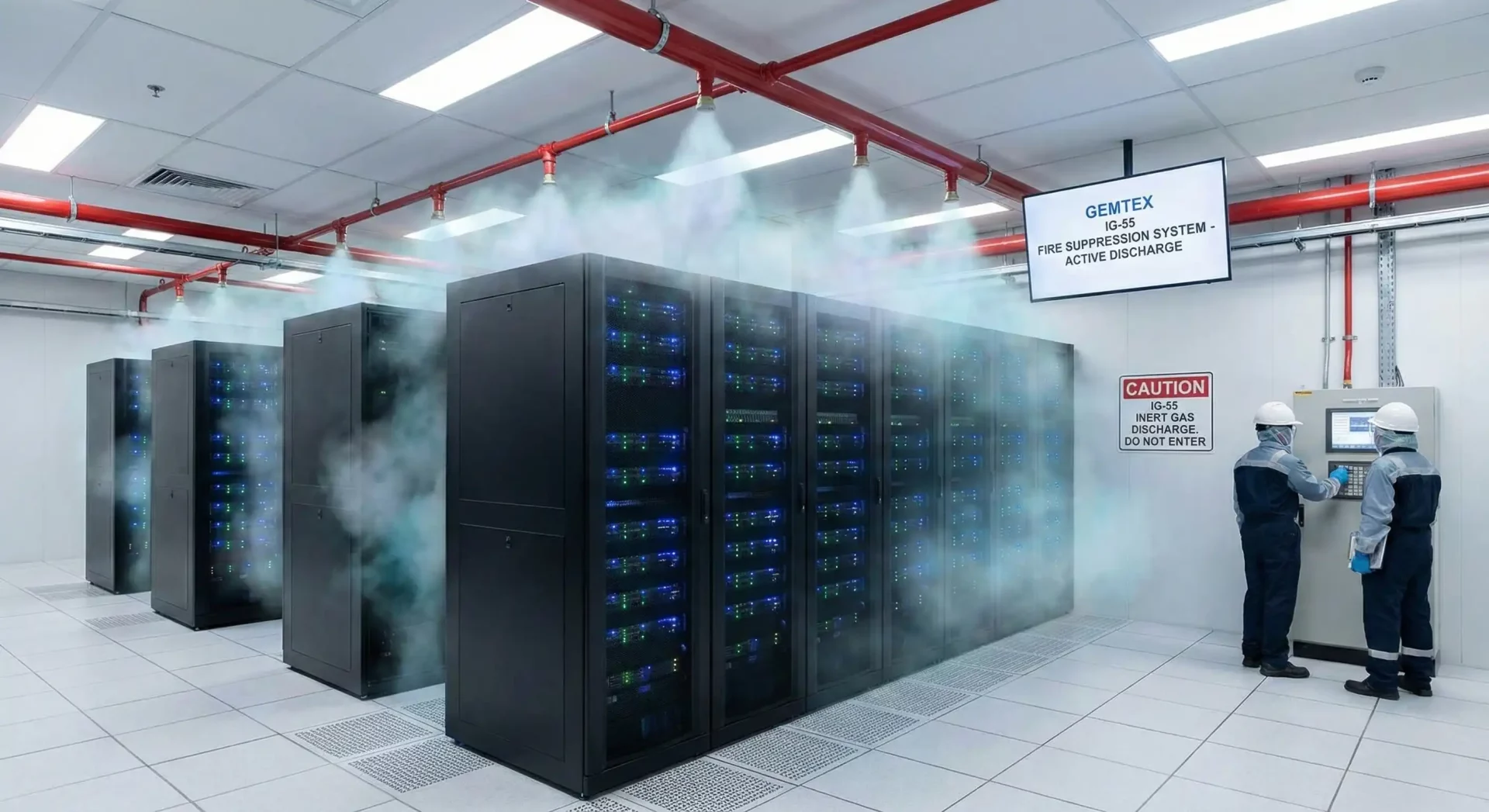
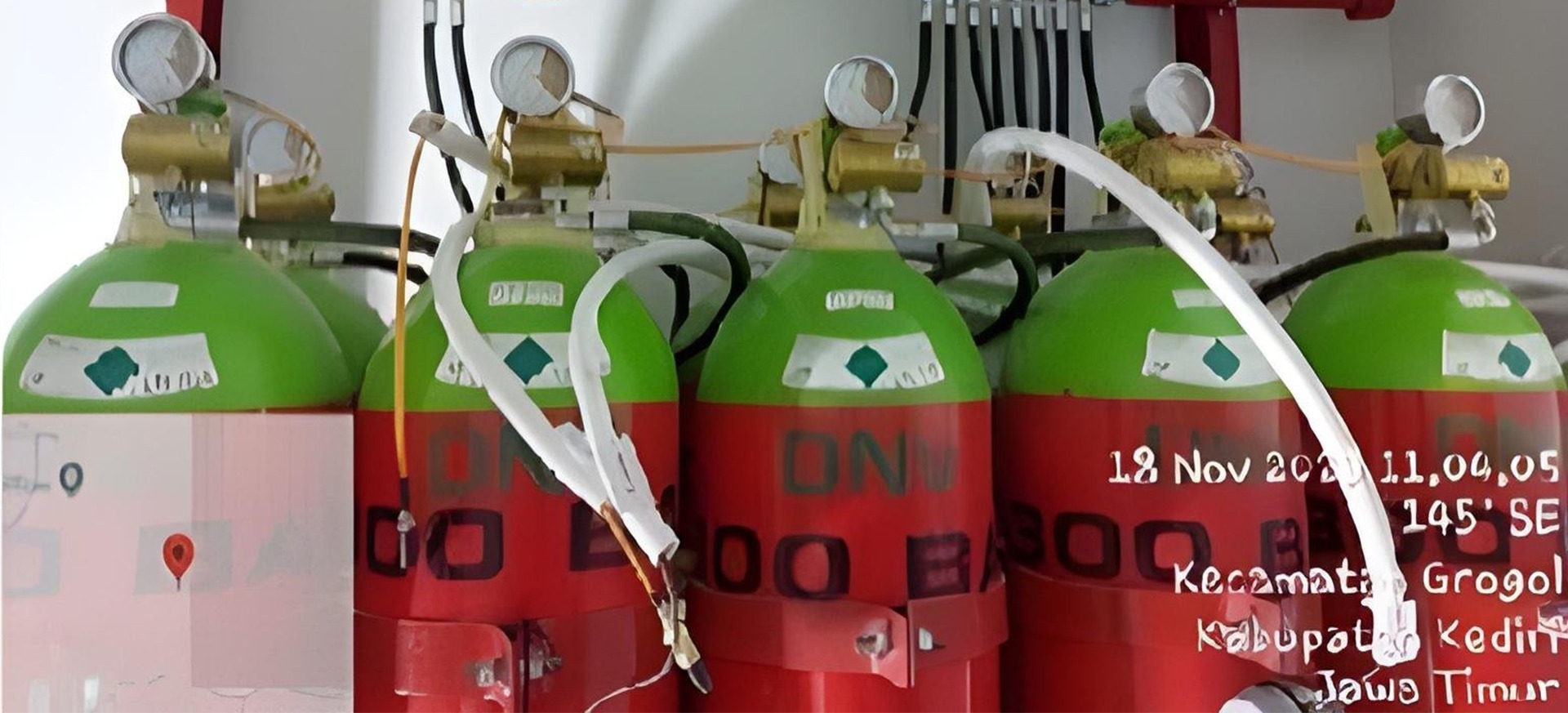
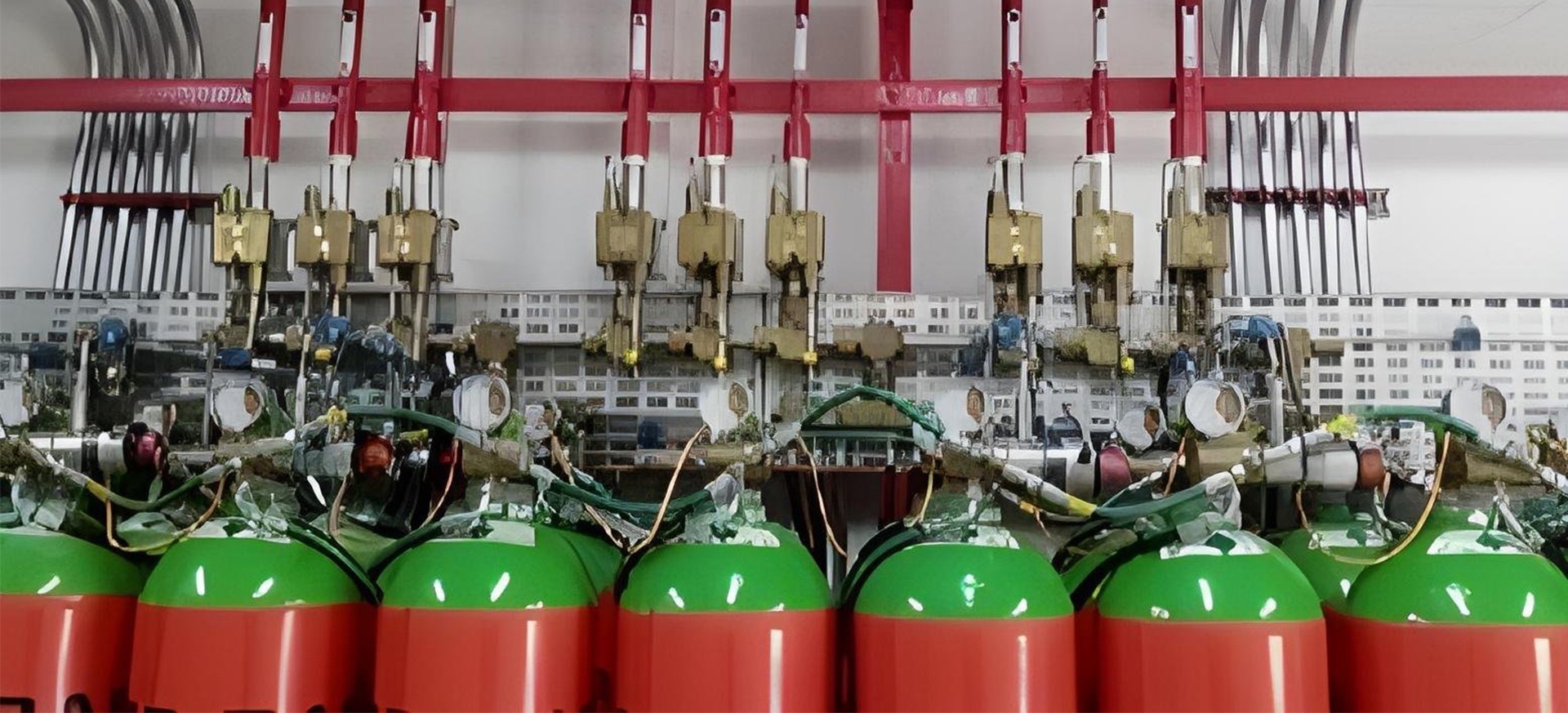
In addition, the alarm must integrate with the gas suppression system. This integration helps suppress fire without excessive damage to electronic equipment.
Fire suppression installation for server rooms and data centers
Fire Alarm System for Oil & Gas Facilities
Oil and gas facilities require more complex design. Certain areas carry flammable gas, explosion, and extreme temperature risks.
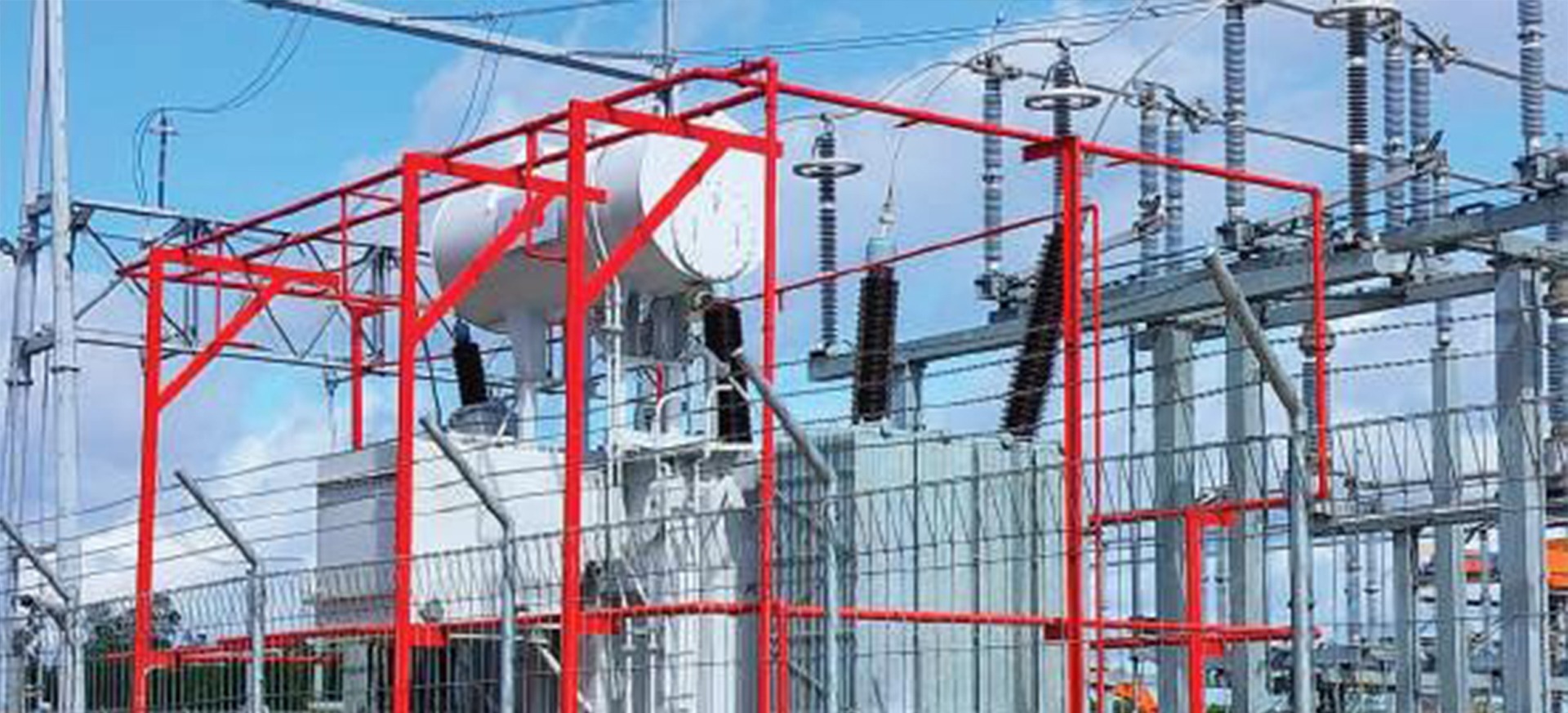
Therefore, fire alarm system design may require flame detectors, gas detectors, heat detectors, and explosion-proof devices. Device selection must follow area classification.
In addition, the alarm system must send fast information to the control room. Operators need to know the risk location clearly and immediately.
Fire Alarm System for Factories
Factories need systems that can withstand operational conditions. Dust, vibration, steam, heat, and production activity can affect detector performance.
Therefore, engineers need to choose suitable detectors. For example, dusty areas may work better with heat detectors than standard smoke detectors.
In addition, alarms must be clearly heard in production areas. If noise levels are high, sounders should be supported by strobes or visual alarm devices.
Benefits of Choosing PT Adiwarna Anugerah Abadi
Choosing the right contractor is very important. Fire alarm system projects require precise design, installation, programming, testing, and maintenance.
PT Adiwarna Anugerah Abadi helps clients build fire protection systems that match industrial needs. The team understands technical, operational, and safety aspects.
Benefits of working with specialists include:
- Risk-based design.
- More accurate device selection.
- Cleaner installation.
- Safer system integration.
- Measurable testing.
- More complete documentation.
- Easier maintenance.
- Better safety audit readiness.
In addition, Adiwarna can help facilities prepare long-term system development. That way, the system remains relevant as the business grows.
Fire alarm system consultation with Adiwarna
Tips Before Installing a Fire Alarm System
Before starting the project, prepare the facility’s technical data. This data speeds up the design process and reduces revisions.
Prepare the following information:
- Latest building layout.
- Function of each room.
- Ceiling height.
- High-risk areas.
- Electrical panel locations.
- Existing fire protection system.
- Available cable routes.
- Integration needs.
- Target standard or audit requirement.
In addition, involve HSE and facility teams from the beginning. They understand daily operating conditions. As a result, the design becomes more practical and effective.
Conclusion: Fire Alarm System Must Be Professionally Designed
Fire alarm system is an important investment to protect people, assets, and business operations. This system helps detect fire earlier and speed up emergency response.
However, a fire alarm system must be professionally designed. The design must follow facility risks, technical standards, building layout, and operational needs.
In conclusion, PT Adiwarna Anugerah Abadi is ready to help your business build a reliable fire detection and alarm system. Consult your fire protection needs for data centers, oil and gas facilities, factories, warehouses, or industrial sites with Adiwarna’s specialist team.
Contact PT Adiwarna Anugerah Abadi for fire protection consultation