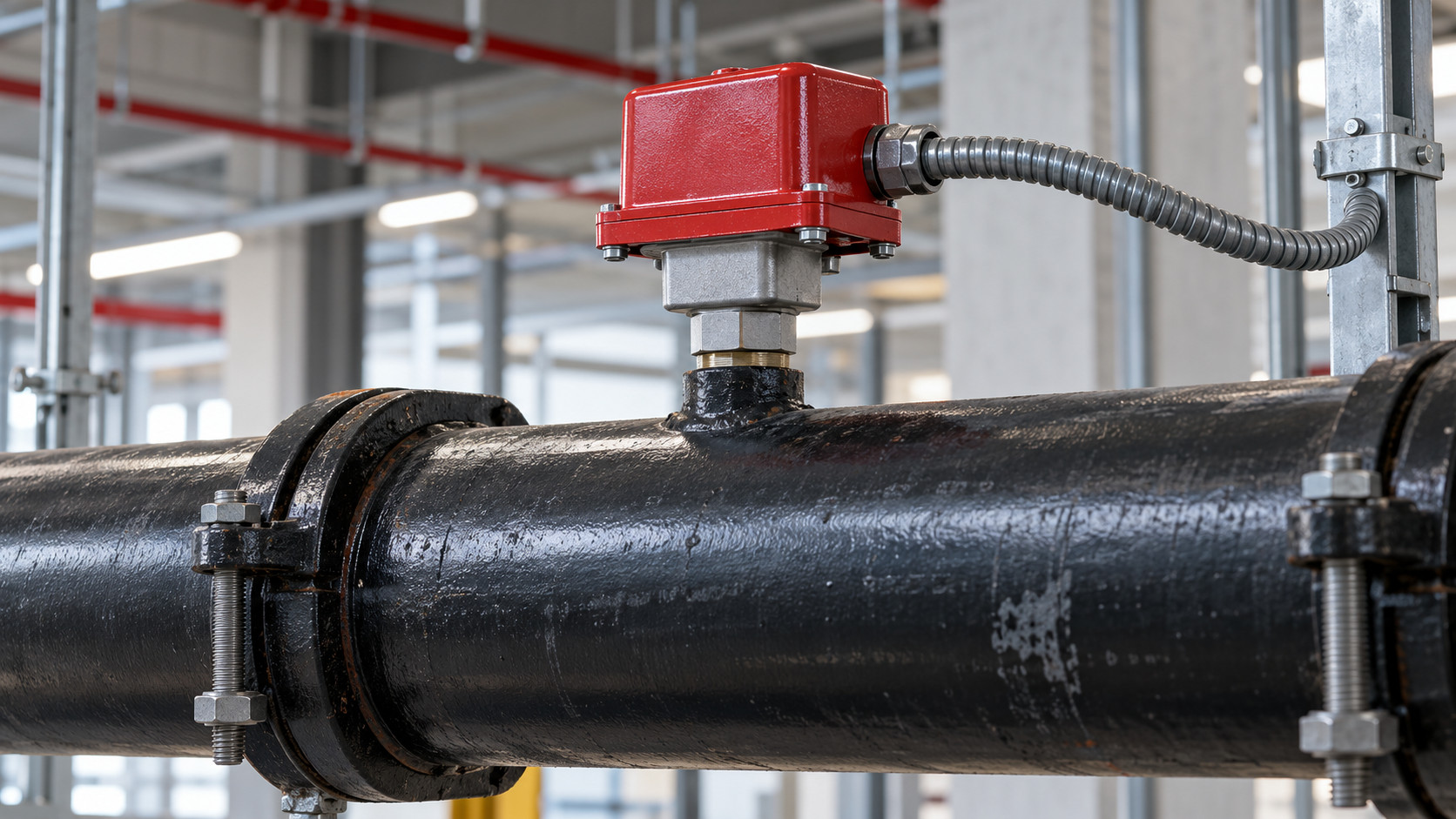
Sprinkler Valve is the primary focus of a structured engineering review when the team needs to confirm alarm check valve and sprinkler valve set inspection. First, this discussion does not stop at component identification. Engineers must connect equipment function, installation condition, interface logic, testing protocols, and handover evidence so that the technical decision remains traceable and defensible.
In a real-world project, Sprinkler Valve must be evaluated together with the approved shop drawings, method statements, manufacturer engineering data, overall fire strategy, and AHJ requirements. Because safety margins cannot be assumed, this article takes a practical engineering approach: explaining what to inspect, why specific findings matter, how testing is conducted, and when a retest or formal escalation is required.
Quick answer: what is Sprinkler Valve?
Sprinkler Valve in the context of this engineering guide means a structured, auditable review of alarm check valves, clappers, retard chambers, waterflow switches, test drains, pressure gauges, and valve set enclosures. The main objective is to verify that each component performs its intended life-safety function, remains unaffected by field changes, and is supported by verifiable data. Therefore, values, set points, clearances, timing parameters, capacity ratings, and acceptance criteria should never be transferred from another project without formal engineer review.
The final acceptance decision regarding this equipment must thoroughly consider building occupancy, fire risk profile, environmental room conditions, interaction with adjacent systems, manufacturer instructions, and the specific standards adopted by the project. When project documents conflict, teams must avoid closing the finding by assumption; instead, issue a technical query, record the engineering decision basis, and secure written approval from the authorized parties.
Area
What is verified
Evidence
Design
valve type, listing, and installation position
approved drawings, calculations, and design basis
Installation
clapper, retard chamber, pressure gauge, and test drain
photos, checklist, and as-built documents
Interface
waterflow switch, alarm gong, and fire alarm interface
cause-and-effect, point list, and wiring
Testing
test frequency, test record, and restoration
test record, deficiency, retest, and sign-off
Sprinkler Valve design and installation
The initial phase compares the installed Sprinkler Valve assembly with the approved engineering drawings and equipment submittals. Field teams must verify physical location, orientation, service clearance, structural supports, seismic bracing where required, and proximity to adjacent building services. In addition, alterations to architectural ceilings, partition walls, machinery layouts, cable trays, mechanical ducts, or fire doors can alter hydraulic or detection performance even when the primary assembly appears visually unchanged.
Beyond physical condition, the review must rigorously examine electrical and control interfaces. The system may interface with detection circuits, alarm modules, auxiliary controllers, HVAC shutdown, elevator recall, BMS gateways, emergency power, or municipal water supplies. Engineers should maintain a unified cause-and-effect matrix that aligns with control programming and as-built drawings. When supervisory feedback is required, clearly define normal, alarm, supervisory, trouble, bypassed, and restored states.
Field data to prepare for Sprinkler Valve
valve type, listing, and installation position
clapper, retard chamber, pressure gauge, and test drain
waterflow switch, alarm gong, and fire alarm interface
test frequency, test record, and restoration
equipment tag, manufacturer model, serial number, and verified field location
initial operating conditions, witness matrix, work permits, and safety controls
installation configuration photographs, marked-up drawing revisions, and punch list
Sprinkler Valve testing and commissioning
Testing the system should always begin with an exhaustive documentation review and an initial-condition walkdown. Technicians must confirm that the work area is safe, affected facility occupants are notified, system impairments are managed under permit, test gauges are calibrated, and the tested equipment can be safely restored to normal readiness. Life-safety outputs must never be triggered without a coordinated communication and restoration plan.
During the test sequence, activate the specified input or operating state strictly according to the approved method statement. Next, record activation times, physical locations, panel indicators, output responses, device feedback, and equipment running parameters. If Sprinkler Valve interfaces across multiple engineering trades, coordinate fire alarm, mechanical, electrical, BMS, facility operations, and commissioning representatives. A casual notation that the system operates is insufficient for regulatory audit.
Perform a pre-test walkdown to document valves, electrical power, controllers, enclosures, and access pathways.
Initiate test conditions under controlled supervision and record each component and interface response.
Compare measured performance against approved criteria, noting pass, deficiency, retest, or escalation status.
Restore the system to normal standby, clear temporary bypasses, complete a final walkdown, and archive the test record.
Standards and coordination for Sprinkler Valve
Project teams should rely on authoritative engineering standards to establish design and testing baselines: review the applicable NFPA standard and associated technical references. While these publications offer foundational requirements, field implementation must strictly comply with the specific edition adopted by project contracts, Indonesian safety regulations, the local AHJ, and product listing requirements.
For facilities in Indonesia, verify relevant SNI standards and national building codes through official BSN directories. Engineers should avoid assuming that an SNI is automatically identical to international codes without technical comparison. Distinguish standards governing system design from those addressing physical installation, commissioning acceptance, and periodic inspection, testing, and maintenance (ITM). Cross-referencing these standards ensures that field decisions withstand technical scrutiny.
Common Sprinkler Valve mistakes
Conducting superficial visual reviews of the component without verifying approved design submittals.
Applying settings, timing delays, or acceptance criteria copied from unrelated projects.
Testing individual devices in isolation without validating the complete cause-and-effect interface sequence.
Failing to document initial conditions, calibrated instrument serials, timestamps, and witness signatures.
Assuming that a steady instrument reading automatically proves compliance with performance criteria.
Closing field deficiencies without documented corrective work, objective evidence, and retesting.
Data quality and close-out: Sprinkler Valve
Sound technical conclusions depend heavily on how raw commissioning data is gathered and preserved. Testing forms should capture document control numbers, revision levels, dates, exact locations, participating personnel, instrument calibration certificates, baseline conditions, numerical test values, and disposition remarks. Raw measurement data should be permanently retained alongside processed summaries so that reviewers can verify calculations independently.
Before concluding the commissioning package, cross-check test reports, photographic logs, as-built drawings, and deficiency resolutions. Every punch list item requires an assigned engineer, corrective action, documented proof of completion, and retest records where appropriate. Following handover, archive the complete dossier so maintenance teams can readily access baseline benchmarks during future periodic inspections and maintenance.
Sprinkler Valve handover checklist
Current approved drawings, hydraulic or electrical calculations, and engineering revisions are on file.
Equipment nameplates, tags, serial numbers, and maintenance access match approved documents.
Pressure settings, control valves, pipe supports, wiring terminations, and safety labels are verified.
Test records detail raw instrument data, ambient conditions, acceptance thresholds, and signatures.
Deficiencies, corrective actions, retest results, and final close-out sign-offs are fully documented.
As-built schematics, O&M manuals, recommended spare parts, and training materials are handed over.
The entire installation is confirmed restored to normal standby without unrecorded bypasses.
FAQ: Sprinkler Valve
Is a single inspection sufficient for Sprinkler Valve?
No. Periodic inspection and testing frequency depends on system design, adopted standards, manufacturer instructions, environmental exposure, and facility ITM programs. Whenever physical modifications occur or test results fall outside acceptance limits, formal retesting is mandatory.
Who is authorized to approve Sprinkler Valve test results?
Signatory authority is governed by the project quality plan, witness matrix, commercial contract, and AHJ requirements. Field technicians gather raw performance data, whereas formal acceptance must be reviewed and endorsed by designated engineering representatives.
Can site photographs substitute for a formal Sprinkler Valve test record?
No. Photographs serve as valuable supporting evidence of field conditions, but they cannot replace numerical measurements, input-output signal logs, testing procedures, timestamps, and authorized signatures.
When should an engineering consultation be initiated for Sprinkler Valve?
Specialist consultation is strongly recommended when drawings conflict with site conditions, equipment lacks proper listings, readings show erratic instability, or cross-discipline interfaces lack defined acceptance criteria.
Conclusion: Sprinkler Valve
Dependable long-term performance of Sprinkler Valve relies on thorough design, code-compliant installation, disciplined testing, and traceable engineering records. This rigorous approach gives building owners confidence that their life-safety systems will respond effectively in an emergency rather than simply appearing operational during an informal walkthrough.
A fire protection specialist with a Bachelor’s degree in Materials Engineering from ITB. I hold NFPA certification as a Member in Good Standing of the Industrial Fire Protection and Building Fire Safety Systems section. Through the articles on this website, I will share my knowledge and experience to help people design fire protection systems.