
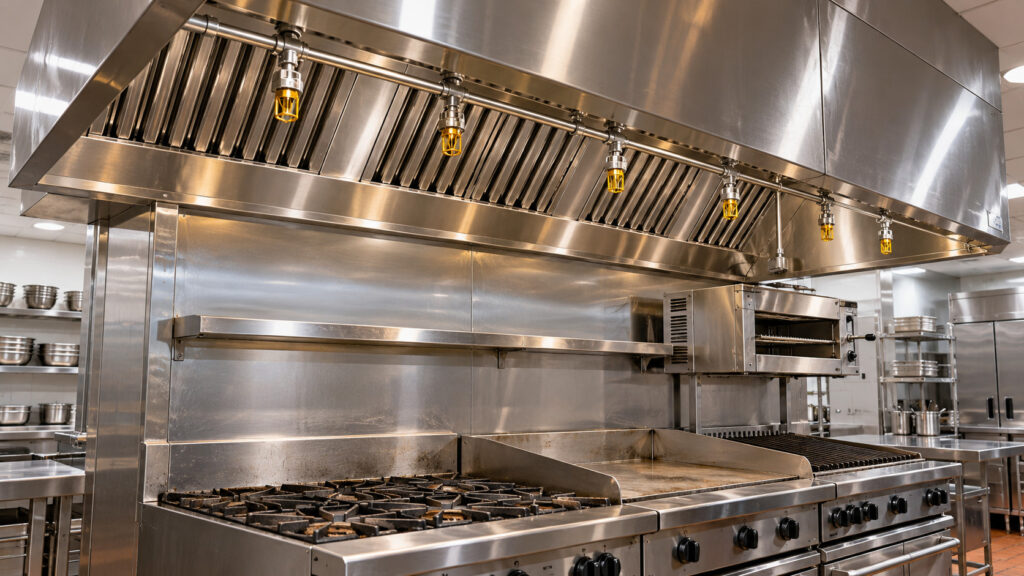
Kitchen hood suppression system installation is a mandatory requirement in large-scale commercial kitchens component in large-scale commercial kitchens. Commercial kitchen fires can spread very quickly due to high concentrations of oil and grease. This article explains standards, main components, installation procedures, and commissioning tests required to effectively protect commercial kitchens.
Why Commercial Kitchens Need a Dedicated Suppression System
Commercial kitchens face unique fire risks different from other building areas. Cooking oil heated above 300 degrees Celsius can spontaneously reach its flash point, creating Class K fires (cooking oil fires) that cannot be extinguished with water or conventional extinguishers. Class K fires require specialized alkaline or wet chemical suppression agents.
NFPA 17A Standard for Wet Chemical Extinguishing Systems and NFPA 96 Standard for Ventilation Control and Fire Protection of Commercial Cooking Operations govern technical requirements for commercial kitchen suppression systems. In Indonesia, Minister of Public Works Regulation No. 26/PRT/M/2008 references similar commercial kitchen protection requirements.
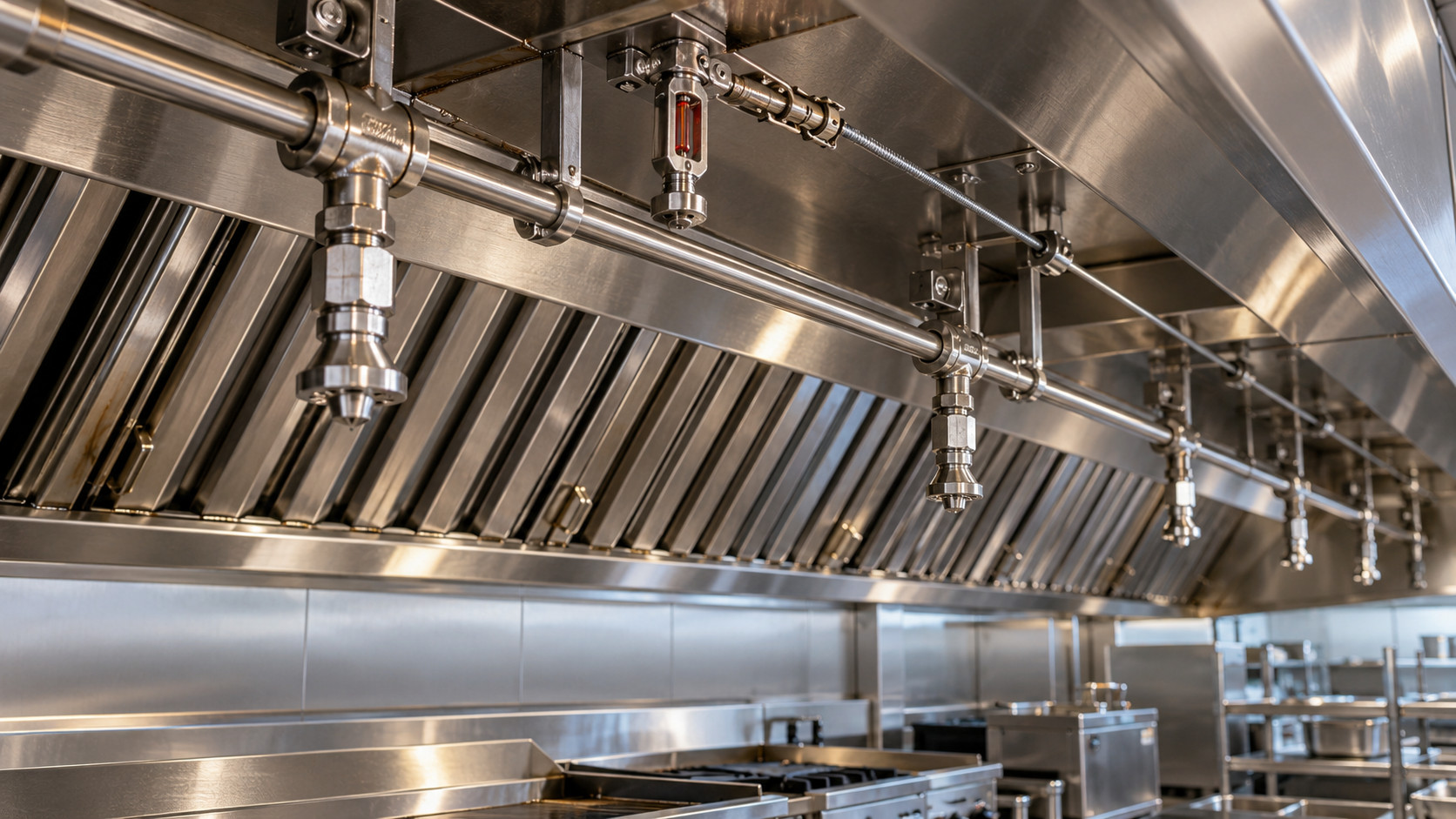
Main Components of Kitchen Hood Suppression Systems
| Component | Function | Notes |
|---|---|---|
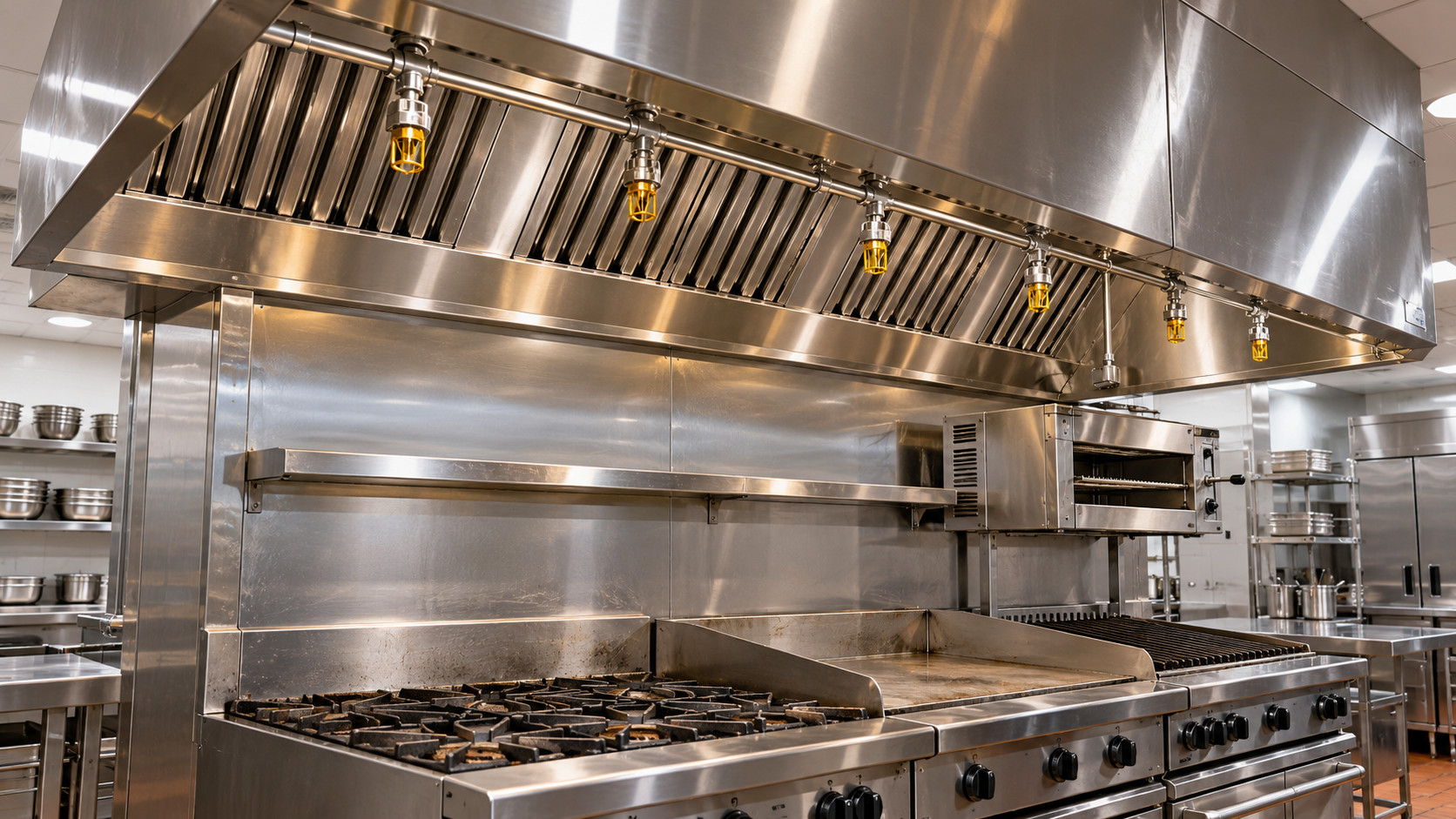
| Hood/canopy | Captures smoke and oil vapors | Installed above cooking area |
| Filter system | Filters grease from air | Requires routine cleaning |
| Suppression nozzles | Spray suppression agent | Directed at critical cooking areas |
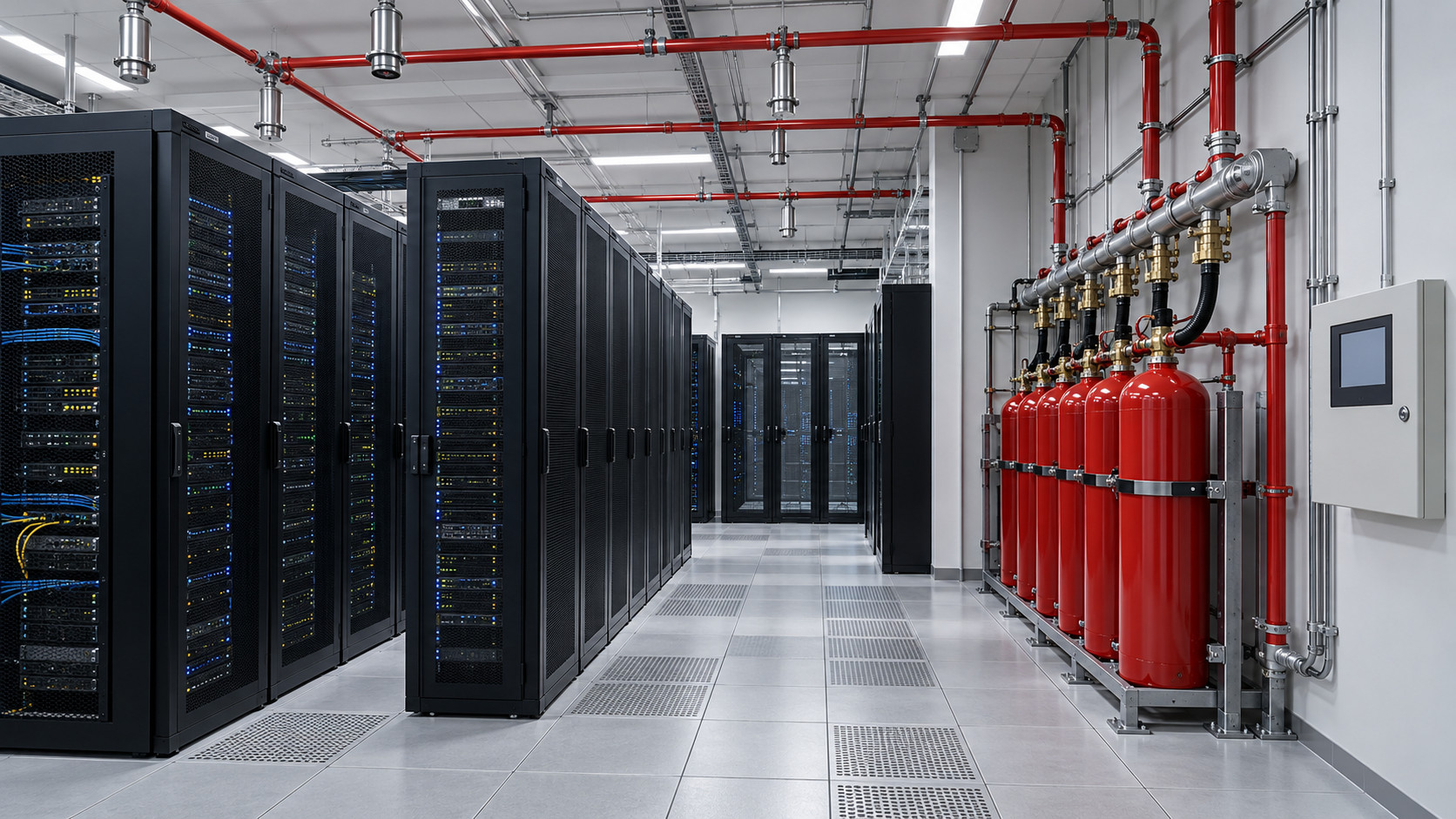
| Agent cylinder | Stores wet chemical agent | Refilled after discharge |
| Temperature detection | Detects excess heat and fire | Fusible links or detectors |
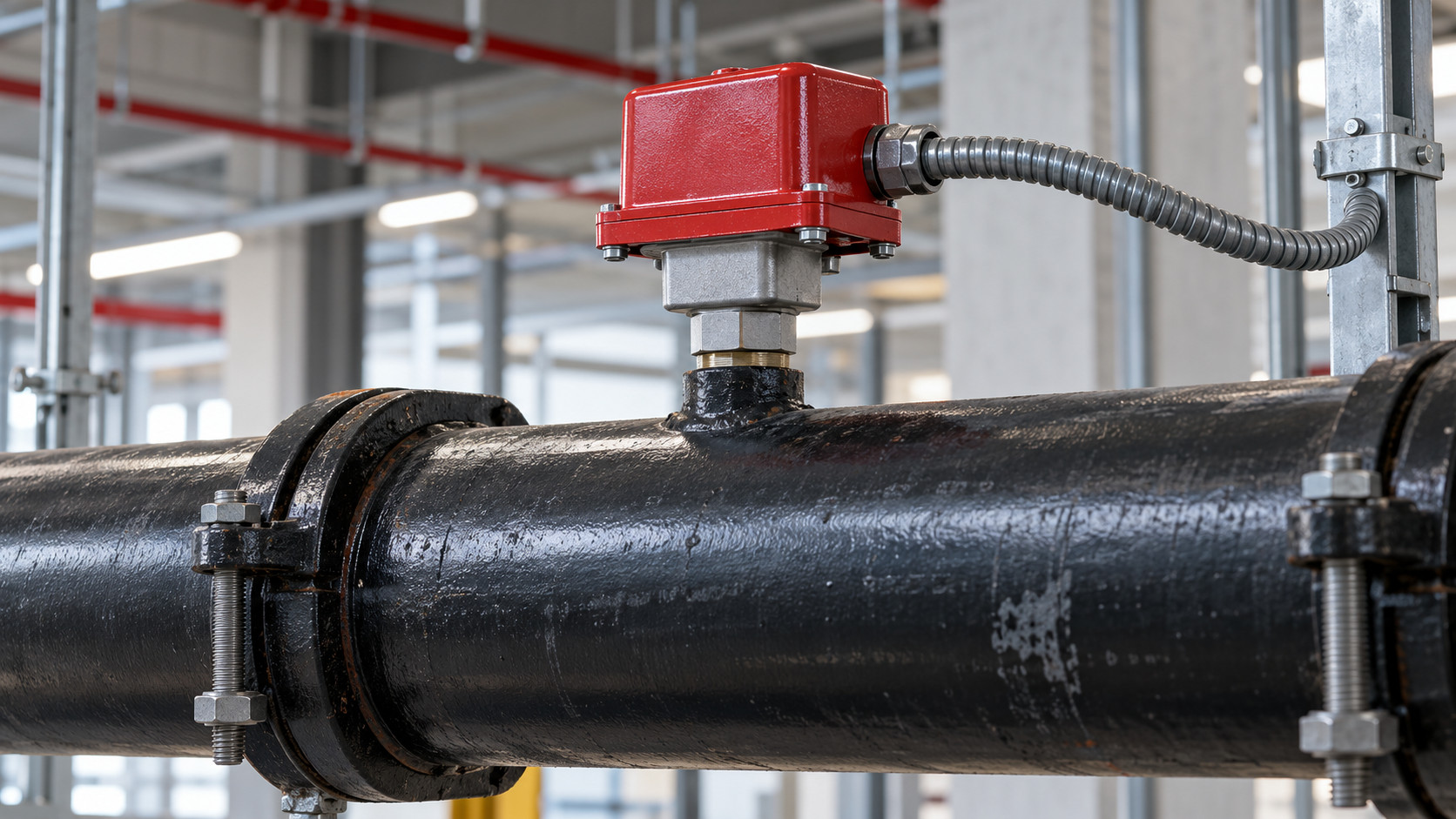
| Gas/fuel shutoff | Cuts fuel supply when fire detected | Automatic solenoid valve |
| Control panel | Coordinates all components | Connected to building alarm system |
How Kitchen Hood Suppression Works
- Excess temperature or fire is detected by a fusible link or thermal detector inside the hood.
- The fusible link melts or the detector sends a signal to the suppression system control panel.
- The control panel automatically cuts the gas or fuel supply to cooking equipment.
- The suppression system releases wet chemical agent through nozzles directed at the cooking area.
- Wet chemical reacts with hot oil to form a soap foam that extinguishes the fire.
- The building fire alarm system is simultaneously triggered to initiate evacuation.
Applicable Installation Standards
- NFPA 17A: Standard for Wet Chemical Extinguishing Systems.
- NFPA 96: Standard for Ventilation Control and Fire Protection of Commercial Cooking Operations.
- UL 300: UL Standard for Safety Fire Testing of Fire Extinguishing Systems for Commercial Cooking Equipment.
- Minister of Public Works Regulation No. 26/PRT/M/2008: technical requirements for fire protection systems in buildings in Indonesia.

Kitchen Hood Suppression Installation Procedure
Installation must be performed by certified technicians. Adiwarna Fire Protection Specialist follows this procedure:
- Site survey and risk assessment: identify all cooking equipment, fuel types, hood capacity, and kitchen layout.
- System design: calculate agent quantity, determine nozzle count and positions, plan agent pipe routing, and locate agent cylinders.
- Hood and ducting installation: ensure hood size is adequate to capture smoke from all equipment below.
- Nozzle installation: direct nozzles to critical points including fryer surfaces, broiler grates, wok ranges, and exhaust ducts.
- Fusible link and detector installation: install at critical temperature points inside hood and ducting.
- Fuel shutoff installation: install solenoid valve on gas or electrical supply to cooking equipment.
- Commissioning test: functional test of all components without agent discharge; verify integration with building alarm system.
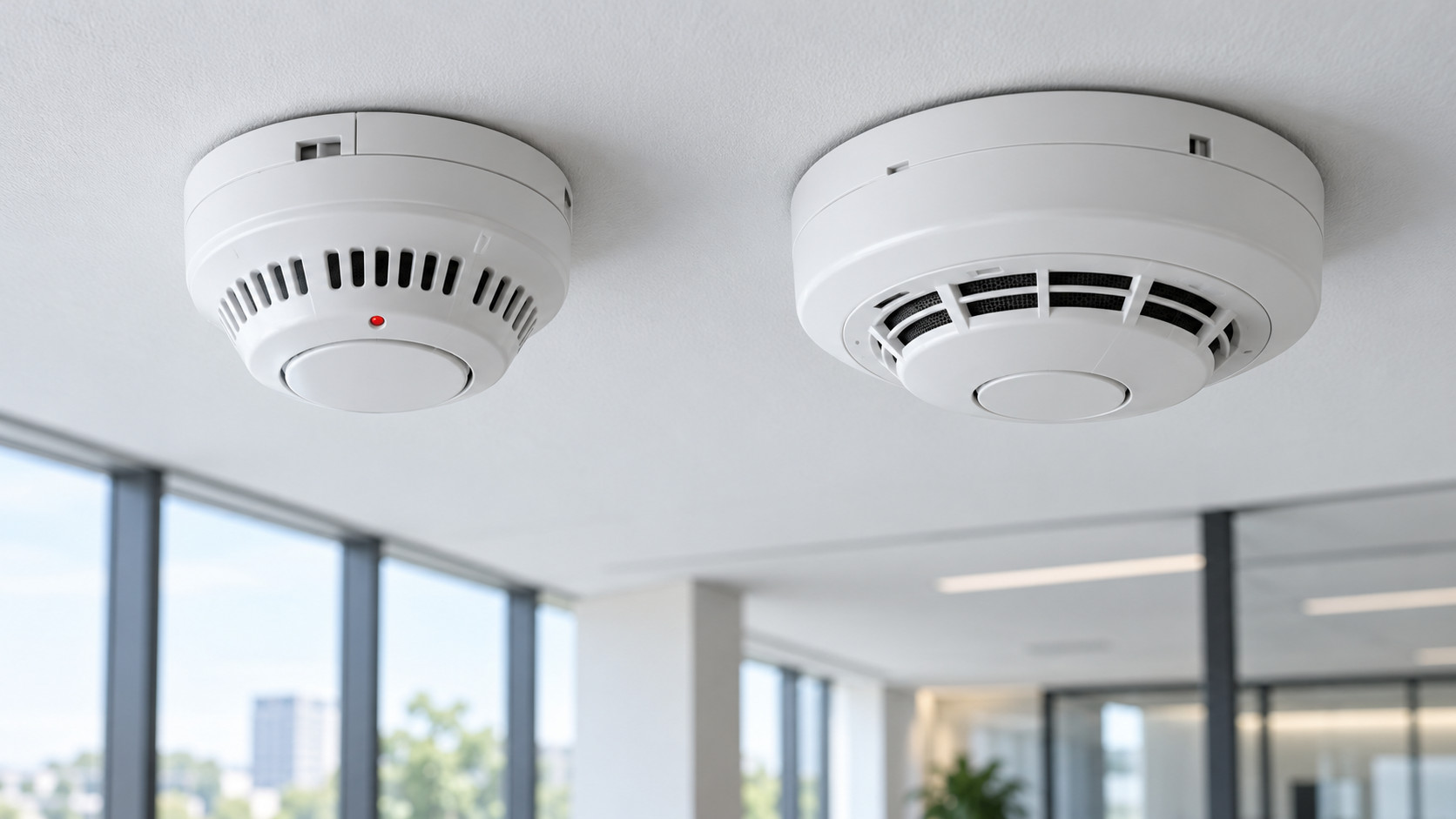
For more comprehensive fire protection, kitchen hood suppression should be integrated with the building smoke detection system. Our guide on ionization vs photoelectric smoke detectors explains the appropriate detection technology for kitchen areas.
Periodic Maintenance and Inspection
| Frequency | Maintenance Activity | Standard |
|---|---|---|
| Monthly | Visual inspection of nozzles, filters, and fusible links | NFPA 96 Ch. 11 |
| Quarterly | Grease filter cleaning and hood inspection | NFPA 96 Ch. 11 |
| Semi-annual | System inspection and functional testing | NFPA 17A Ch. 7 |
| Annual | Comprehensive inspection by certified technician | NFPA 17A Ch. 7 |
| After activation | Agent recharge and comprehensive inspection | NFPA 17A Ch. 7 |
FAQ: Kitchen Hood Suppression System
What is the difference between a kitchen suppression system and a portable extinguisher?
Portable extinguishers (APAR) are designed for manual use by operators. Kitchen hood suppression systems are automatic, integrated with the hood and cooking equipment, operate without human intervention, and can suppress Class K cooking oil fires that portable extinguishers cannot handle effectively.
Is a kitchen suppression system required for all restaurants?
Per NFPA 96 and Indonesian building regulations, kitchen suppression systems are required for commercial kitchens using high-heat equipment such as deep fryers, open flame broilers, and wok ranges. Small restaurants or low-risk kitchens may have different requirements under local regulations.
How often does the kitchen suppression agent need to be refilled?
Wet chemical agents in kitchen hood suppression systems must be replaced every 6 years per NFPA 17A, even if never discharged. After activation (fire event), the system must be recharged immediately before the kitchen resumes operation.
Conclusion
Kitchen hood fire suppression systems are a mandatory fire protection investment for commercial kitchens. Understanding NFPA 17A and NFPA 96 standards, system components, proper installation procedures, and consistent maintenance schedules ensures kitchens are effectively protected against the specific fire risks of commercial cooking environments.
Need consultation on kitchen hood suppression system design and installation for your restaurant or food service facility? Contact the Adiwarna Fire Protection Specialist team at our contact page for a free technical survey and installation proposal compliant with NFPA 17A, NFPA 96, and Indonesian regulations.