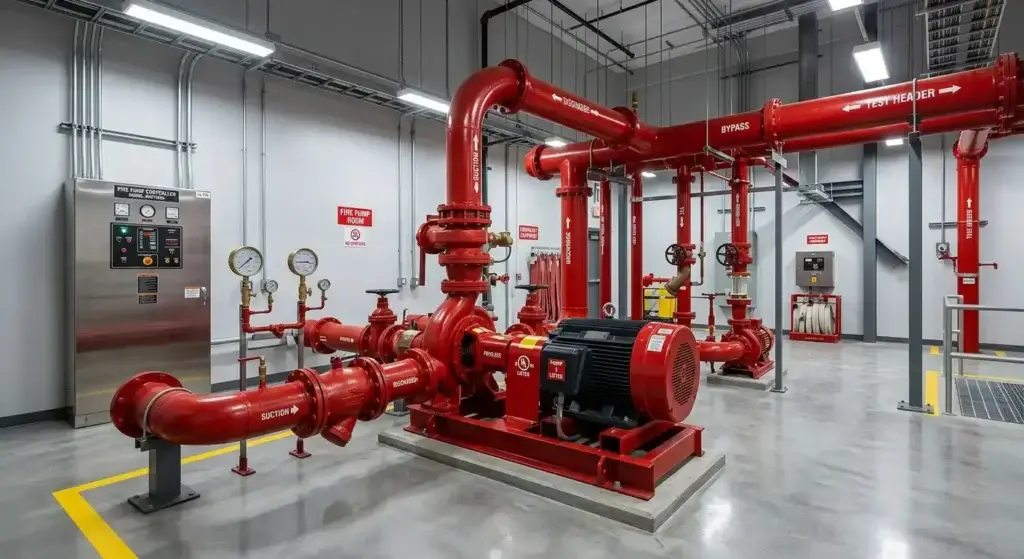
Fire fighting pump systems represent the heartbeat of any active fire protection setup in large-scale facilities. These units ensure water reaches the fire with sufficient pressure and volume. Therefore, understanding this system is crucial for every industrial facility manager.
PT Adiwarna Anugerah Abadi realizes that pump failure during an emergency leads to catastrophic results. Consequently, this article explains the mechanics, standards, and maintenance of fire pump systems.
Why a Fire Fighting Pump is Critical for Your Assets
First, the system acts as the core of your entire fire installation. Without stable pressure, sprinklers and hydrants cannot perform effectively. Furthermore, high-rise or expansive buildings require immense water thrust.
However, many business owners often neglect the condition of their pump units. Unfortunately, an unready pump will cause massive material losses during a fire. As a result, investing in high-quality equipment is a necessity, not an option.
In fact, fire risks in industrial sectors like data centers are extremely high. Therefore, you need a reliable and responsive pump system at all times. Fire Protection System Installation Services at PT Adiwarna Anugerah Abadi.
Common Types of Fire Fighting Pump in Modern Industry
Generally, industries use several types of pumps based on specific site requirements. The selection depends on the water source and the total protection area.
1. Horizontal Split Case Pump
This type is the most popular choice for large water capacity needs. Moreover, its design allows technicians to perform internal maintenance quite easily. However, this pump requires significant space in the pump room.
2. Vertical Turbine Pump
If your water source is underground, use a vertical turbine pump. This unit effectively draws water from deep wells or sub-level reservoirs. [EXTERNAL LINK: NFPA 20 Standards for Fire Pump Installation].
Understanding the Core Components of a Fire Fighting Pump System
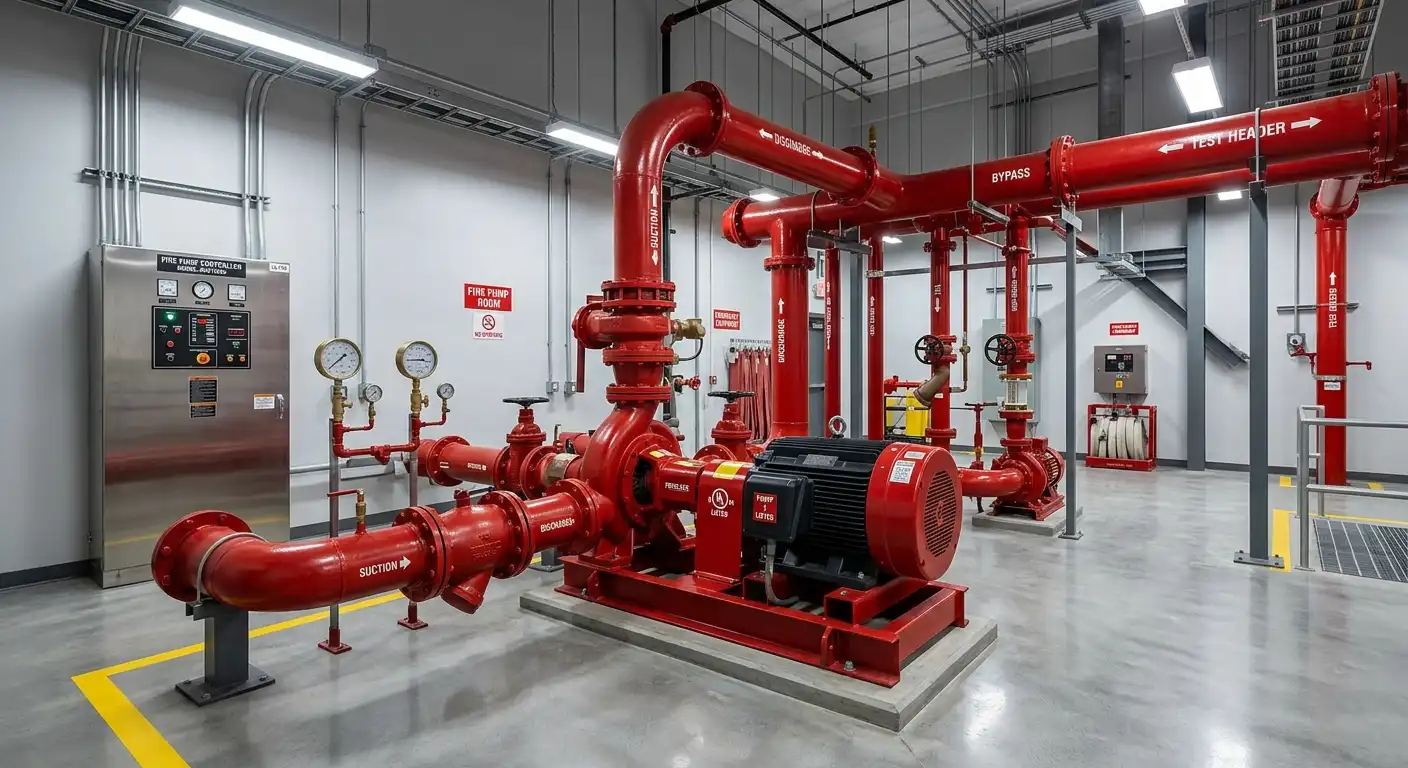
Every standard pump room usually contains three primary types of pump units. These three units work sequentially based on the pressure needs within the pipes.
Jockey Pump
This small pump maintains static pressure within the fire piping network. Additionally, the jockey pump prevents the main pump from starting due to small leaks. Therefore, this unit is vital for extending the lifespan of the main machinery.
Electric Fire Pump
This unit serves as the primary driver during significant water flow events. However, the electric pump depends heavily on a reliable backup power supply (genset). Most managers choose electric pumps for their operational simplicity.
Diesel Fire Pump
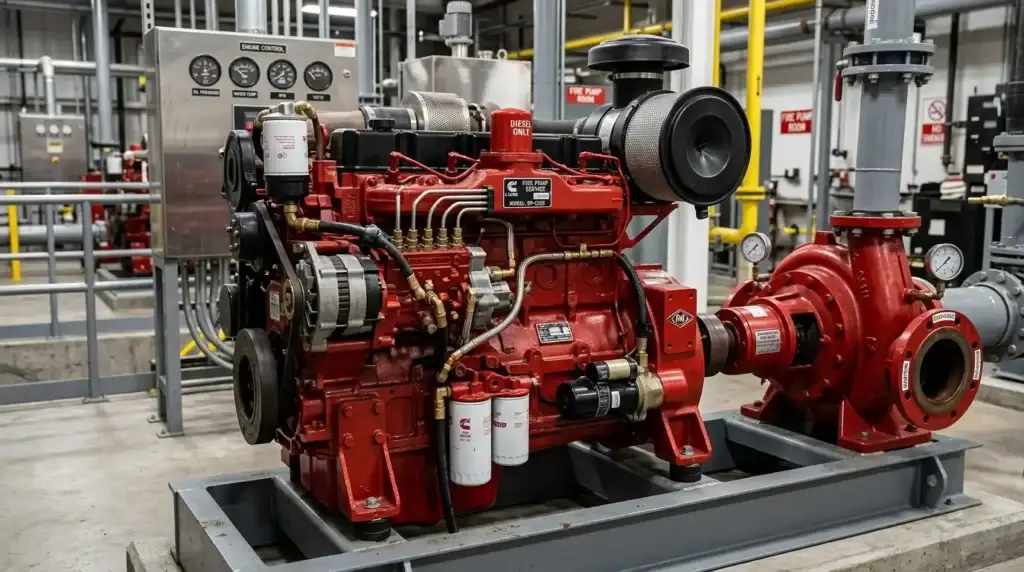
As a critical backup, a diesel fire pump must exist in every industrial building. This pump continues to work even if the entire building loses electrical power. In fact, diesel engine reliability often saves assets during the worst emergencies.
Why NFPA 20 Standards Rule the Fire Fighting Pump Industry
Next, you must ensure your entire system follows the global NFPA 20 standards. This standard strictly regulates the performance and installation of fire pumps.
First, NFPA 20 requires pumps to supply 150% of their rated flow capacity. Furthermore, water pressure must not drop below 65% of the total rated head. As a result, your system will have a very safe security margin.
Consequently, engineers at PT Adiwarna Anugerah Abadi always refer to these international standards. We ensure every component meets UL (Underwriters Laboratories) and FM Global certifications. Your asset security remains the top priority for our expert team.
Crucial Maintenance for System Readiness
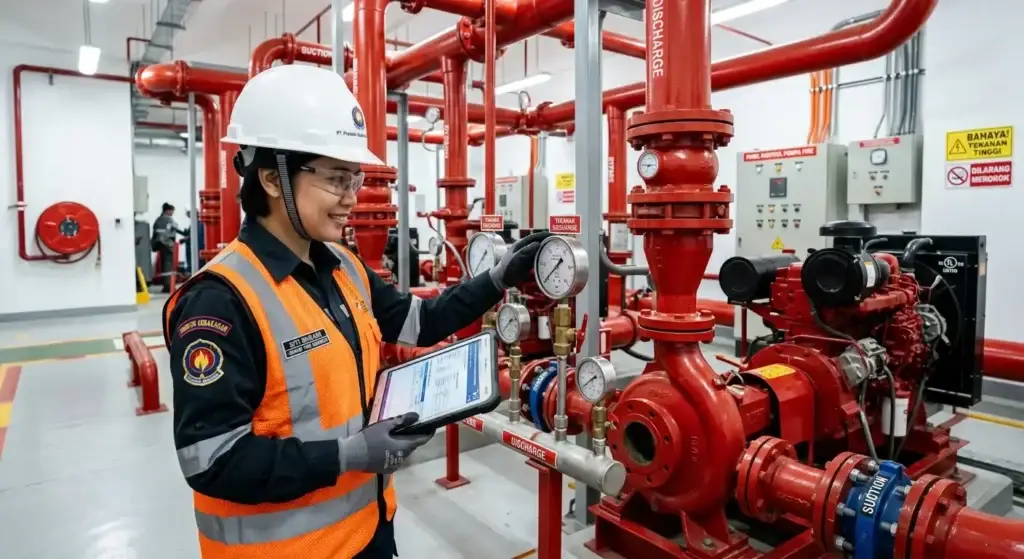
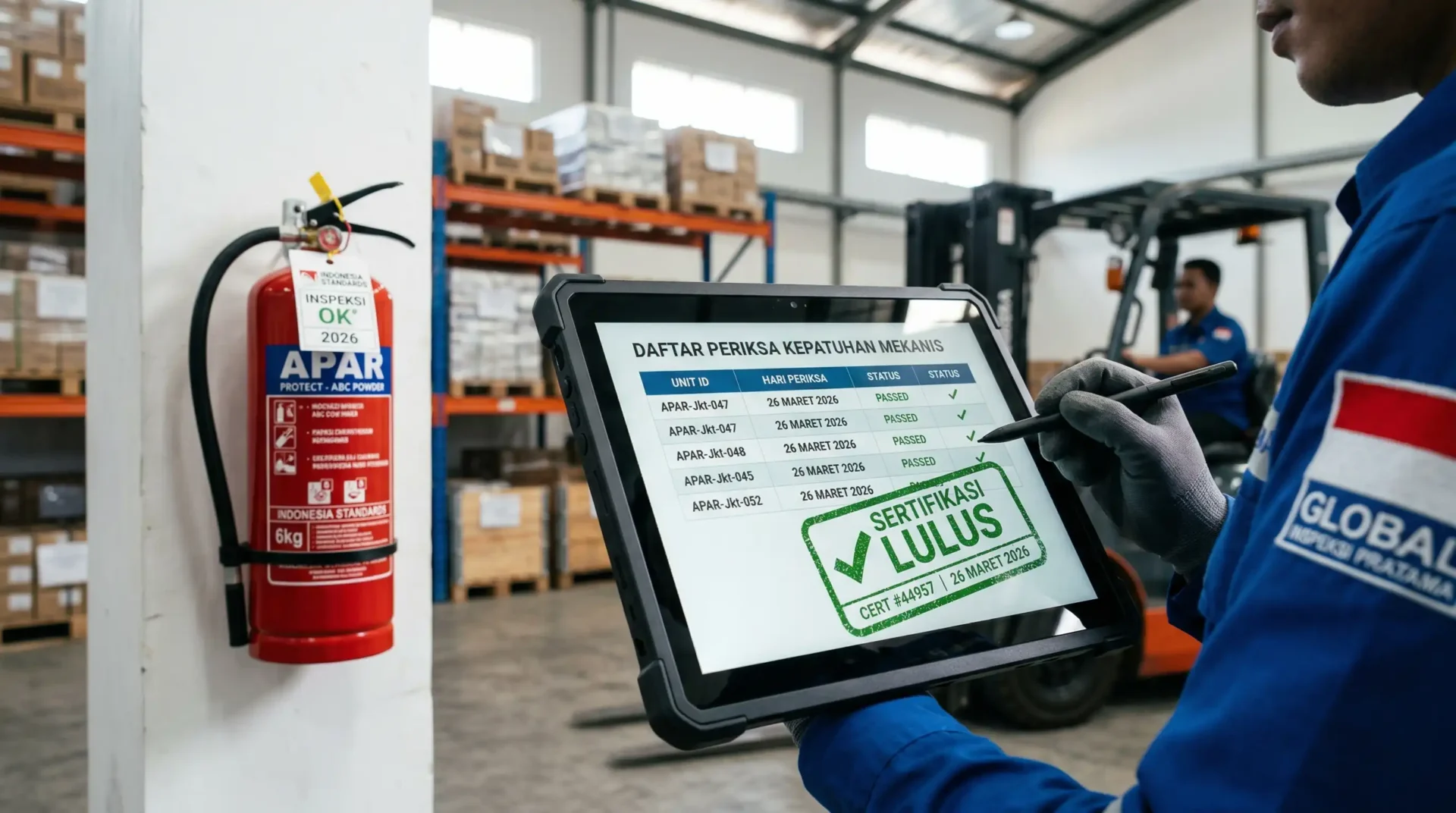
Of course, a good installation is insufficient without consistent maintenance. You must perform weekly tests to ensure the machinery stays in peak condition.
First, check the fuel and oil levels in the diesel engine regularly. In addition, ensure the control panel shows no error indicators or faults. Then, perform regular air bleeding on the pipes to prevent cavitation.
Furthermore, we recommend performing an annual flow test with professional help. This test measures if the pump performance still matches the original design curve. If you find a significant drop, perform repairs or recalibration immediately.
PT Adiwarna Anugerah Abadi provides comprehensive maintenance services for your protection systems. We have experienced engineers ready to maintain your fire equipment performance. [INTERNAL LINK: Schedule Routine Maintenance with the Adiwarna Expert Team].
The Role of Smart Control Panels in Fire Safety
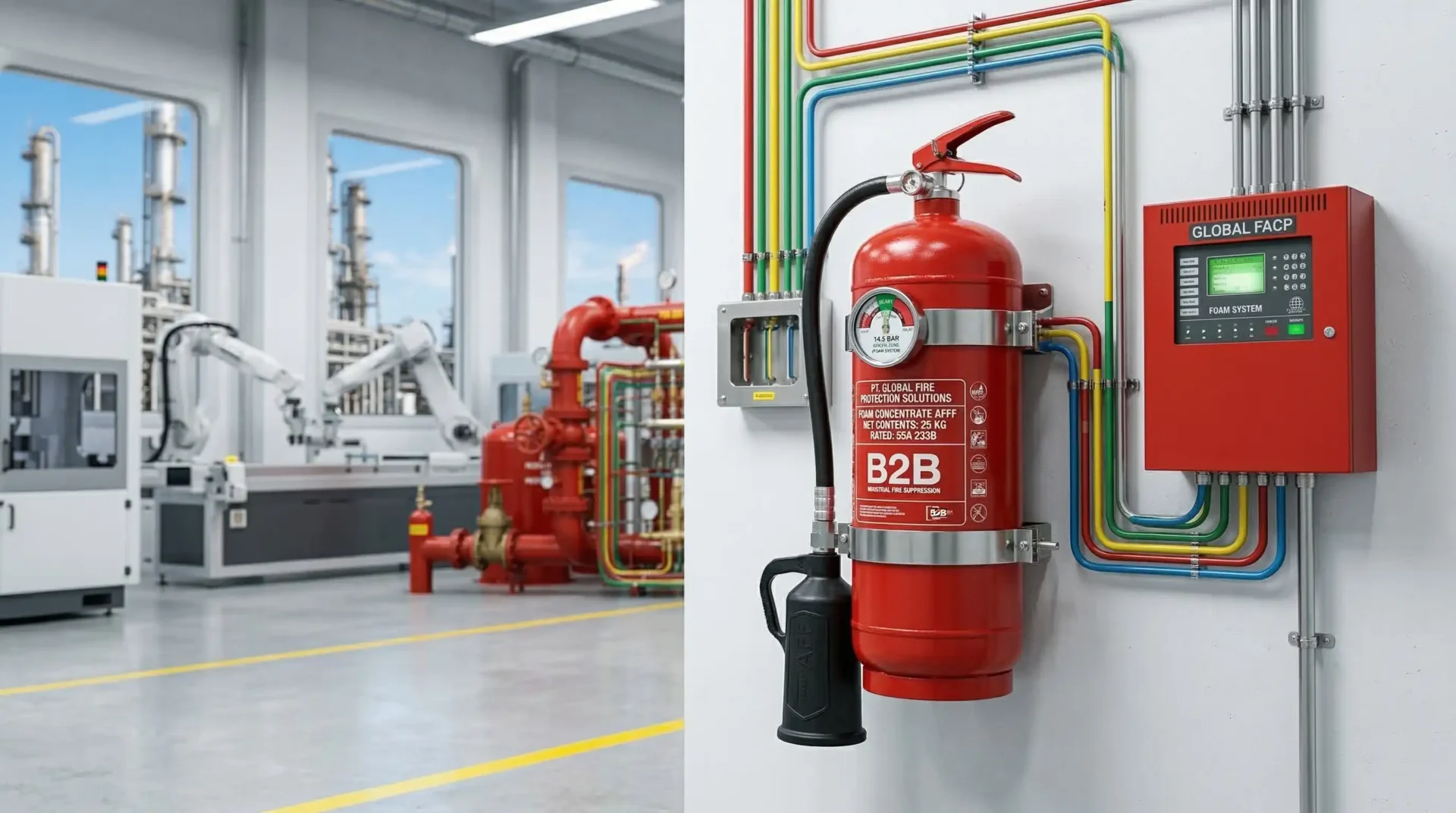
Modern systems now integrate smart control panels for better monitoring. These panels track pressure changes and automate the pump startup sequence. Consequently, the system reacts faster than any manual operation could.
Moreover, these panels log every event and alarm for future auditing. This data helps engineers identify potential failures before they happen. Therefore, upgrading to digital controllers enhances your overall facility safety.
In conclusion, a well-monitored system provides peace of mind for stakeholders. You can rest easy knowing the technology is watching over your assets. PT Adiwarna Anugerah Abadi specializes in integrating these advanced technologies.
Conclusion: Trust Your Protection to the Experts
In summary, choosing and maintaining a fire fighting pump is a serious task. A reliable system is a long-term investment for your business continuity. Without a capable pump system, your entire fire installation becomes useless.
Therefore, do not take risks with incompetent equipment or services. Consult your industrial fire protection needs with PT Adiwarna Anugerah Abadi immediately. We provide the best technical solutions and international standards for your safety.
Contact our specialists today for a free system audit and the best quotation!