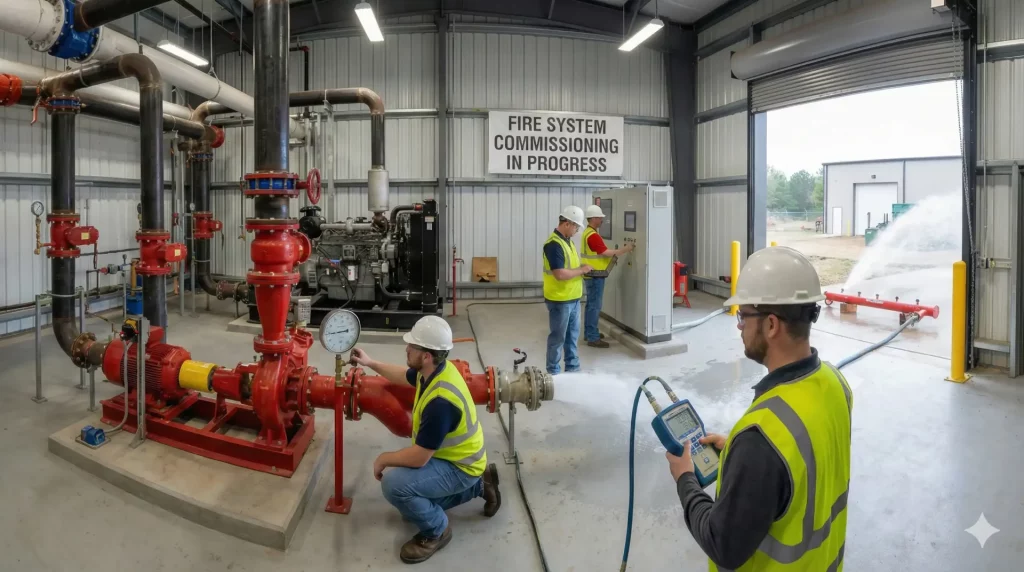
In medium to large-scale buildings and industrial facilities, a hydrant system is one of the most critical elements of fire protection. Unlike portable fire extinguishers designed for early-stage fires, a hydrant system delivers high-pressure water with stable flow capacity to handle larger fire incidents.
Without a properly engineered hydrant system, firefighting efforts can lose critical response time during emergencies.
What Is a Hydrant System?
A hydrant system is a pressurized water distribution system specifically designed for firefighting purposes. It provides immediate access to water supply for trained personnel or professional firefighters.
The system consists of a network of pipes, fire pumps, control valves, and hydrant outlets that allow water discharge directly toward the fire source.
Main Components of a Hydrant System
1. Fire Water Tank
Serves as a dedicated water reserve for firefighting operations.
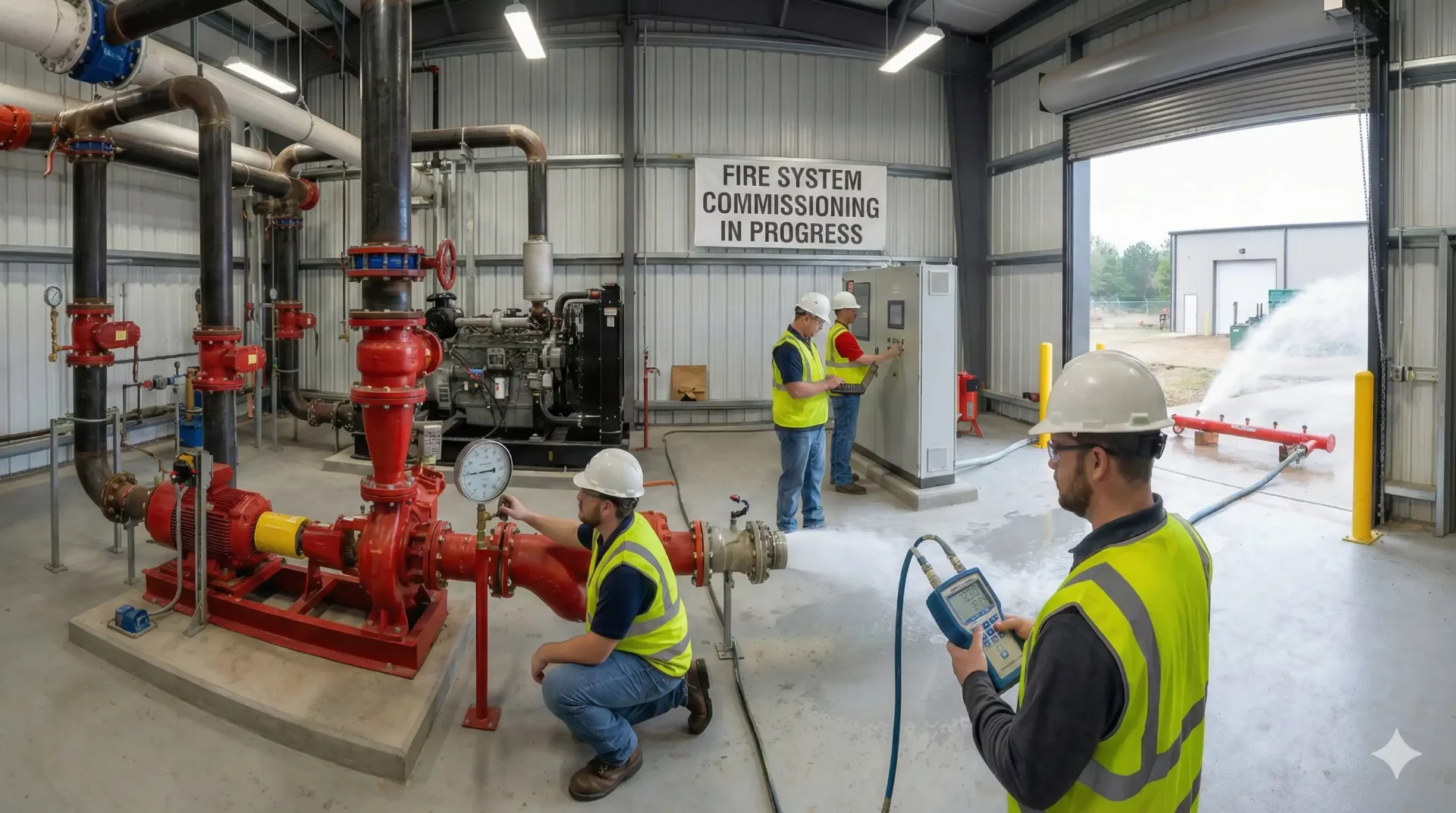
2. Fire Pump Set
Typically includes:
- Jockey pump (maintains system pressure)
- Electric pump (main pump)
- Diesel pump (backup during power failure)
3. Piping Network
Steel pipes designed according to fire protection standards distribute water across the building.
4. Hydrant Box / Hydrant Pillar

The outlet point equipped with:
- Fire hose
- Nozzle
- Control valve
5. Siamese Connection
An external connection point allowing additional water supply from fire department trucks.
Types of Hydrant Systems
A. Indoor Hydrant System
Installed inside buildings, commonly located in corridors or designated emergency areas.
B. Outdoor Hydrant System
Installed outside buildings to provide access for firefighting vehicles.
C. Municipal Hydrant
Connected directly to the city water supply network.
System selection depends on building risk classification and local fire safety regulations.
How a Hydrant System Works
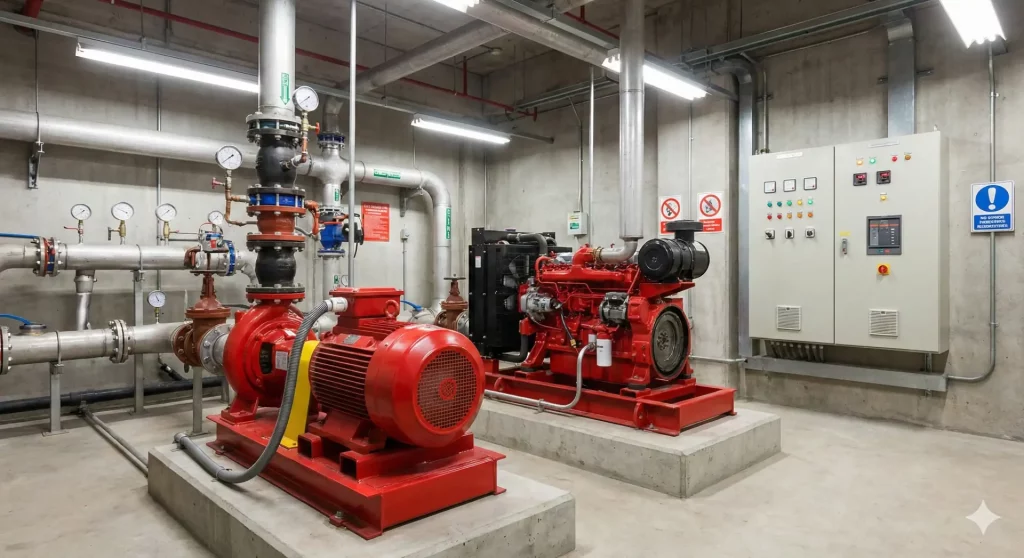
- The system remains pressurized at all times.
- When a hydrant valve is opened, pressure drops.
- The jockey pump activates to stabilize pressure.
- If pressure drops significantly, the main pump operates.
- Water flows through the hose toward the fire source.
This automated response ensures rapid and consistent water delivery during emergencies.
Standards and Technical Requirements
Systems hydrant must comply with recognized standards such as:
- NFPA 14 (Standpipe and Hose Systems)
- NFPA 20 (Installation of Fire Pumps)
- Local fire safety regulations
Critical technical considerations include:
- Hydraulic calculations
- Minimum outlet pressure
- Pipe diameter sizing
- Required flow rate
Incorrect calculations can result in insufficient pressure during fire incidents.
Common Installation Mistakes
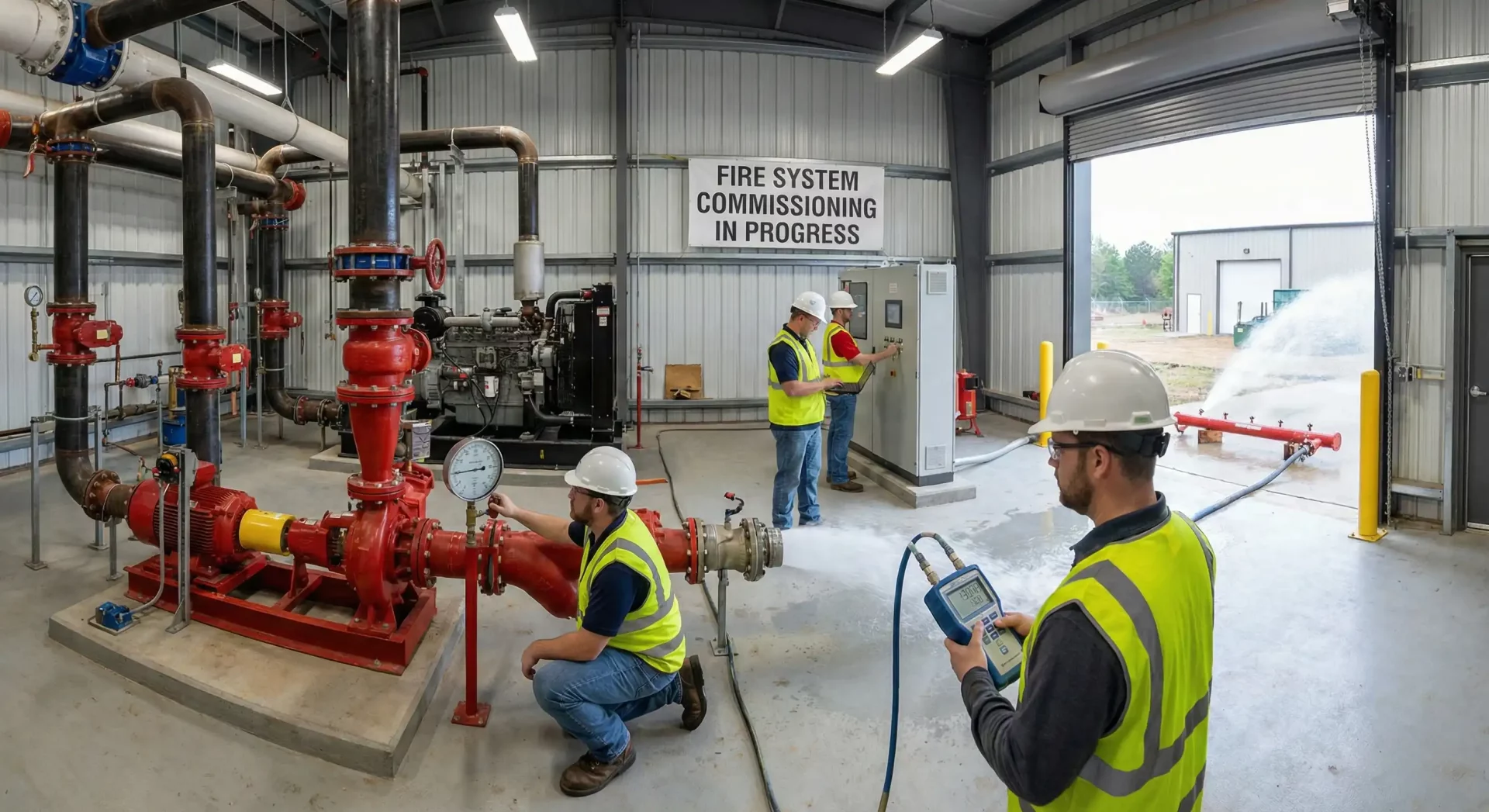
- Skipping flow testing
- Inadequate fire water tank capacity
- Undersized fire pumps
- Lack of routine maintenance
- Incomplete commissioning documentation
A system that appears installed may not necessarily be fully operational.
Why Modern Buildings Require a Hydrant System
Modern facilities often feature:
- High occupant density
- Combustible materials
- Complex electrical systems
- High-value assets
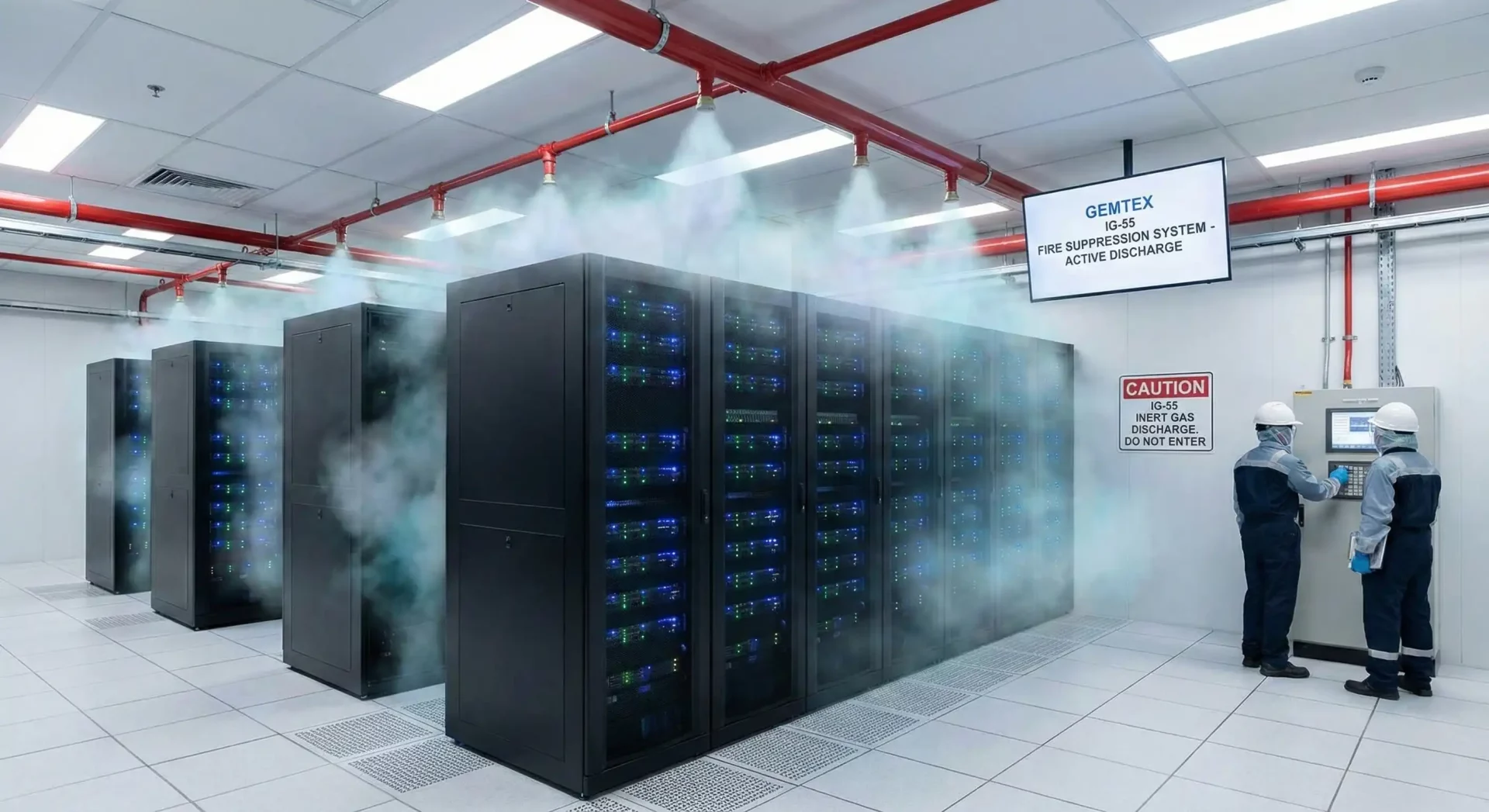
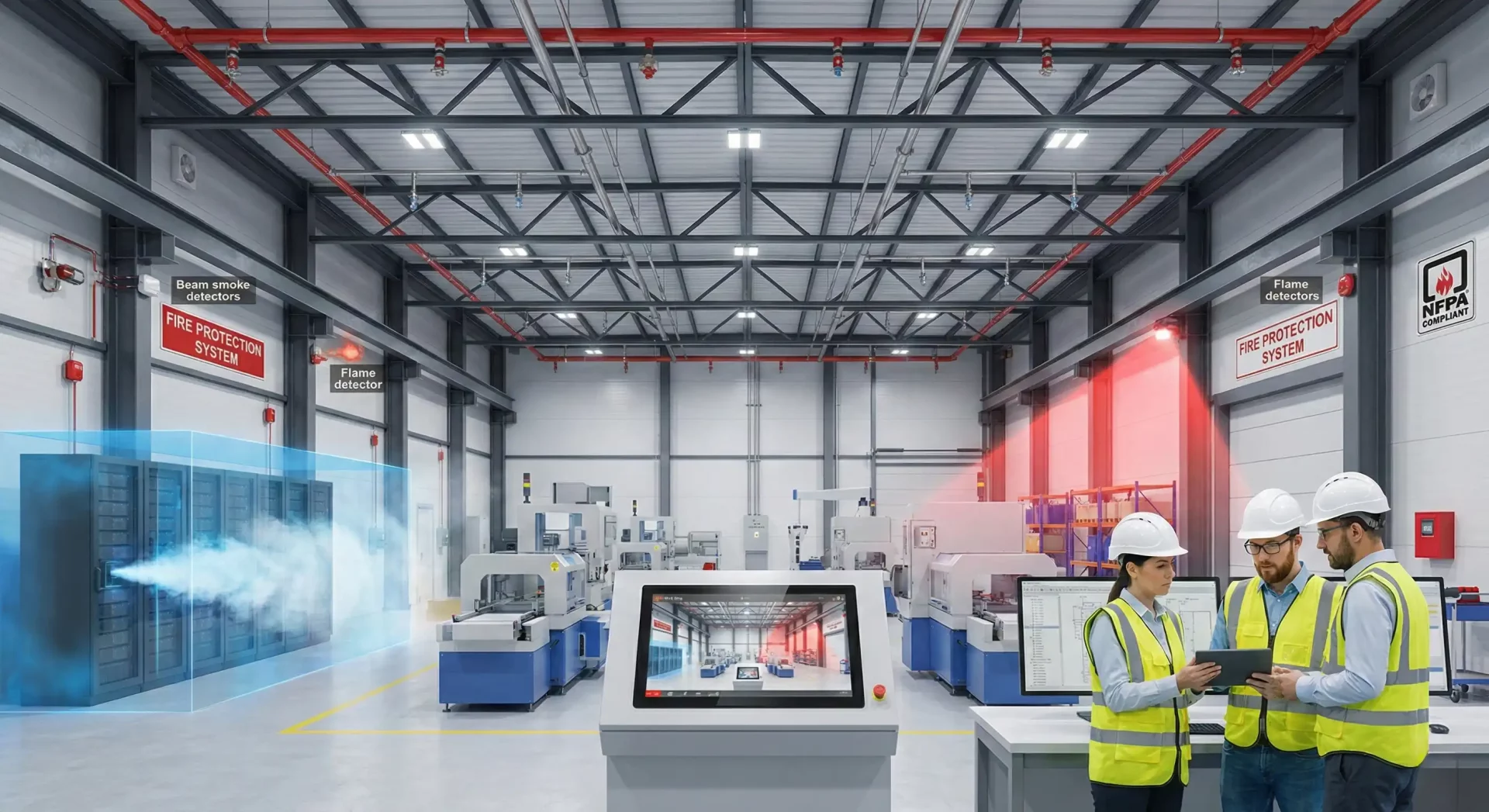
A system hydrant provides an additional protection layer alongside sprinkler systems and fire alarm systems.
Adiwarna’s Hydrant System Solutions
Adiwarna Anugerah Abadi delivers comprehensive system hydrant services, including:
- Fire risk assessment
- Hydraulic calculations
- Engineering design
- Certified material supply
- Installation and supervision
- Testing and commissioning
- Preventive maintenance
We ensure that your system hydrant does not merely meet regulatory requirements—but performs reliably when needed most.
🌐 Visit: https://www.adiwarna.co.id
📞 Contact our team for professional hydrant system consultation.
Conclusion
A system hydrant serves as the backbone of fire protection in medium to large-scale facilities. Its effectiveness depends not only on installation but also on accurate engineering design, thorough testing, and ongoing maintenance.
Reliable fire protection is not accidental—it is engineered, tested, and maintained with discipline.