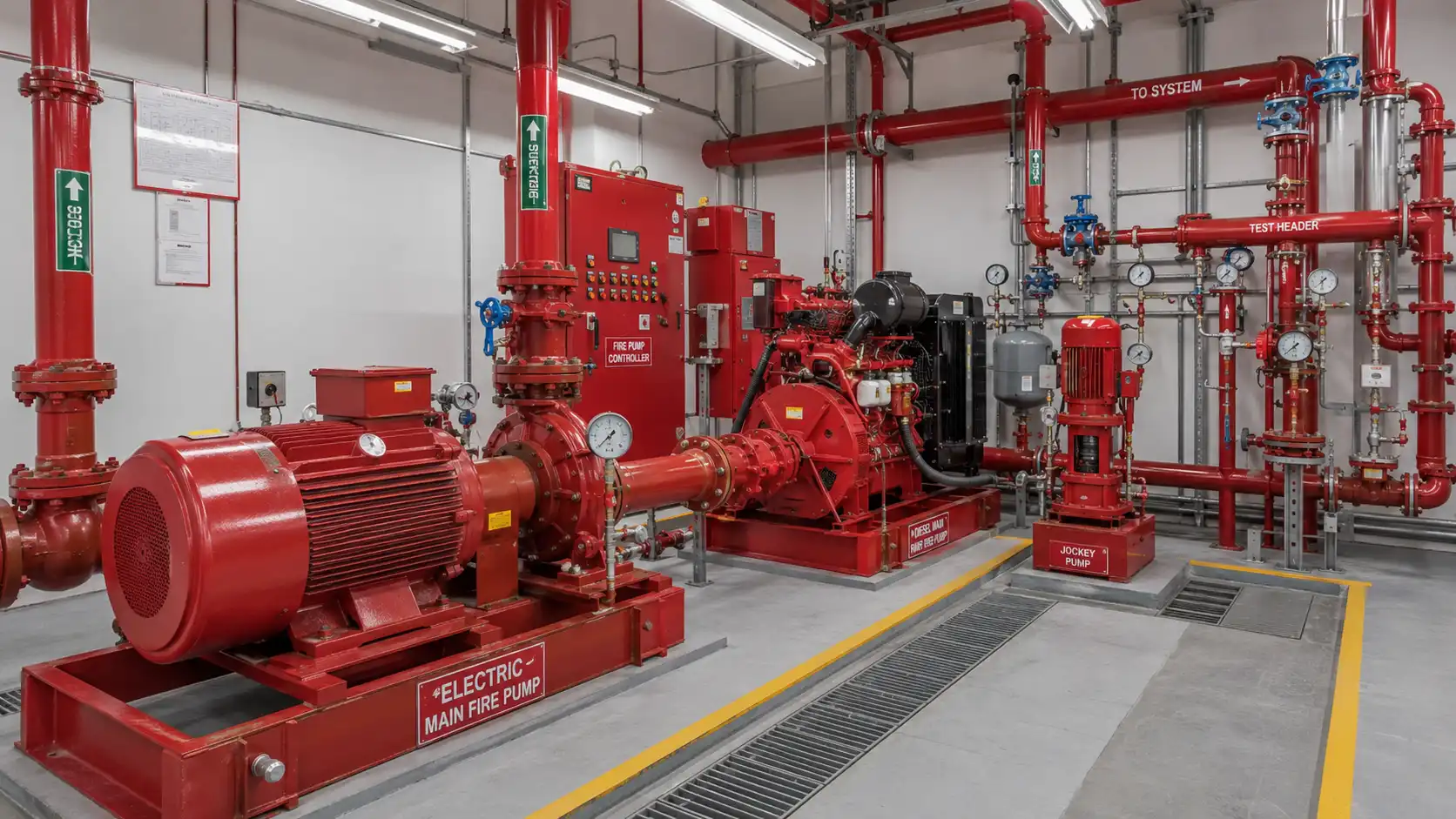

Sprinkler installation is a critical step in protecting industrial facilities from major fire risks. Data centers, oil and gas facilities, and factories carry high operational risks. Therefore, fire protection systems must be designed with a precise technical approach.
Fire does not only damage physical assets. It can also stop operations, destroy critical data, and endanger workers. In addition, downtime can cause serious business losses.
This is where PT Adiwarna Anugerah Abadi provides reliable fire protection solutions. Adiwarna helps businesses design, install, and maintain sprinkler systems based on facility needs.
Fire sprinkler installation services by PT Adiwarna Anugerah Abadi
Why Sprinkler Installation Is Important
Sprinkler installation provides an automatic water-based fire suppression system. The system activates when the temperature around a sprinkler head reaches its operating point. As a result, fire can be controlled in its early stage.
First, sprinklers help limit fire spread. Second, they provide safer evacuation time. In addition, sprinklers reduce potential damage to valuable assets.
In industrial facilities, sprinkler systems must not be selected randomly. Engineers must calculate fire hazard levels, water demand, pressure, flow rate, and protection area. NFPA 13 is one of the key references for sprinkler design, installation, and system components.
NFPA 13 Standard for the Installation of Sprinkler Systems
Fire Risks in Data Centers, Oil & Gas, and Factories
Each facility has different fire risk characteristics. Therefore, sprinkler installation must follow room function, stored materials, work processes, and asset value.
Data Centers

Data centers contain servers, cables, electrical panels, and cooling equipment. Even a small fire can cause major downtime. However, water-based systems must be designed carefully to protect critical equipment.
Therefore, engineers need to integrate sprinklers with early detection systems. In addition, certain areas may require a combination with fire suppression systems.
Fire protection solutions for data centers
Oil & Gas Facilities
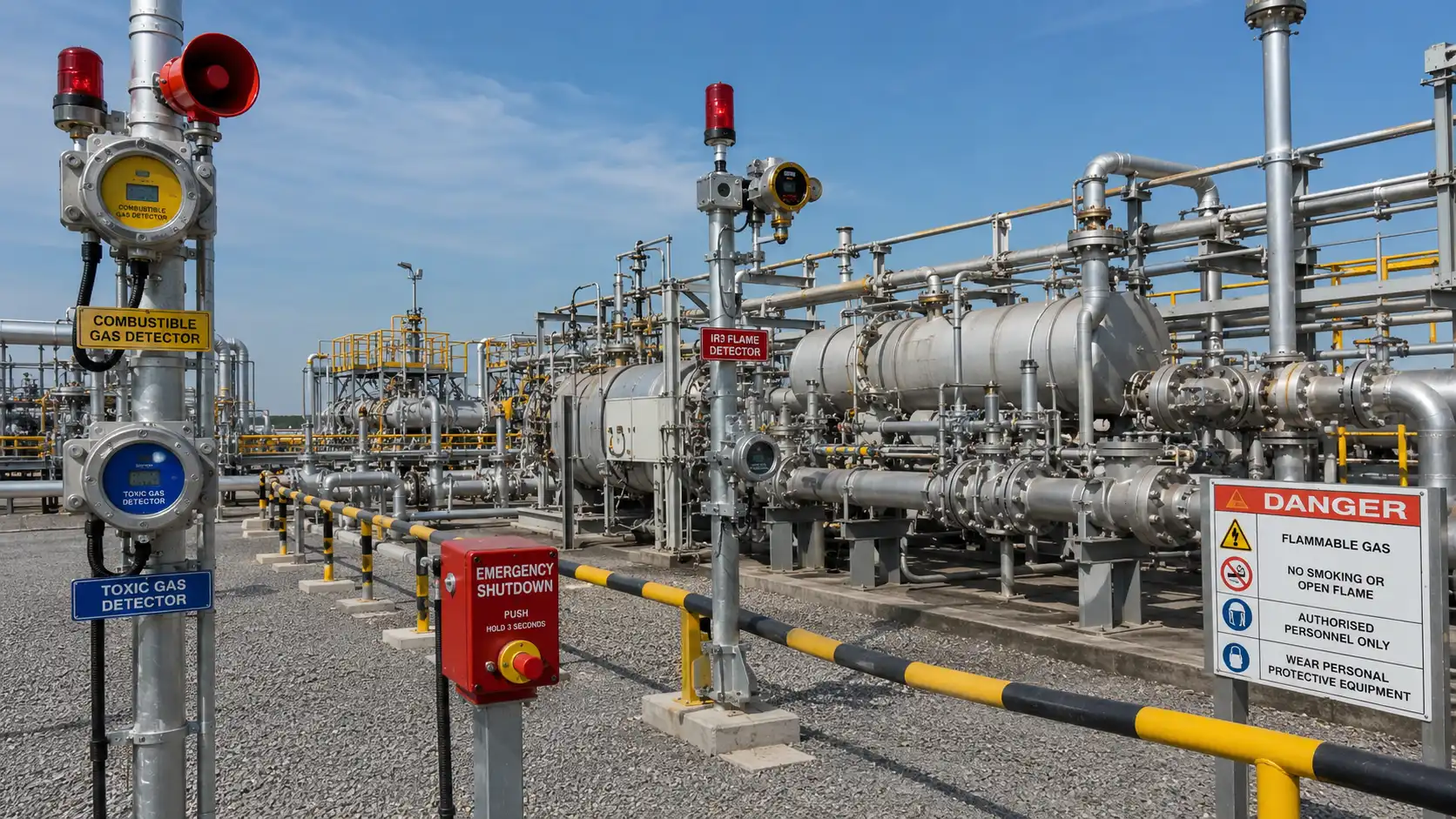
Oil and gas facilities involve flammable materials and high-risk processes. Process areas, storage zones, pump stations, and loading bays require specific fire risk analysis. Therefore, sprinkler installation must consider hazard classification.
In addition to sprinklers, oil and gas facilities often require hydrants, foam systems, deluge systems, and fire alarms. These systems must work together as one fire protection ecosystem.
Fire protection systems for oil and gas facilities
Factories and Warehouses
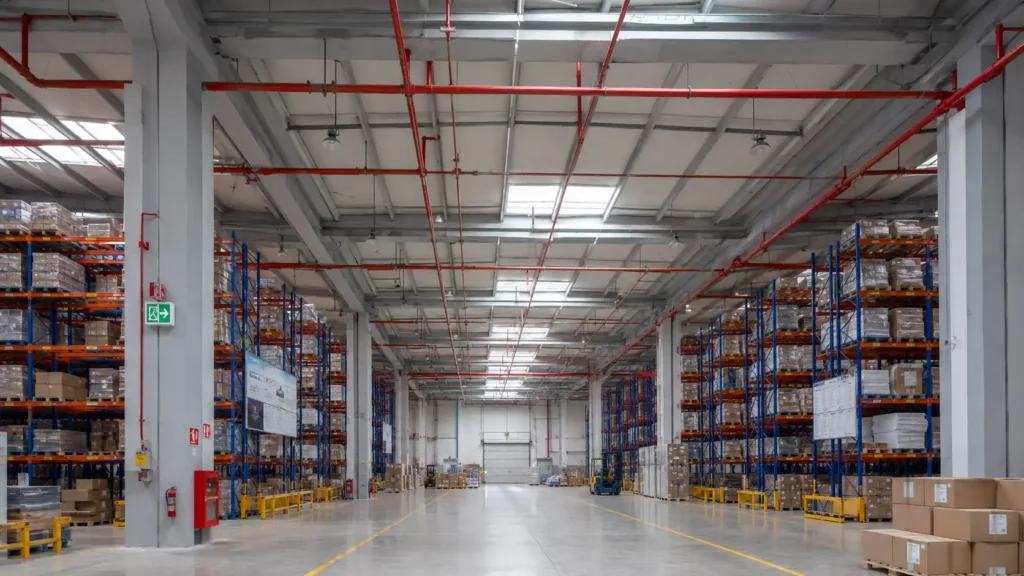
Factories face risks from machines, electrical panels, raw materials, and storage areas. In addition, warehouses with high racks require accurate sprinkler distribution.
As a result, sprinkler design must follow ceiling height, storage density, and material type. A small design error can reduce system effectiveness.
Main Components in Sprinkler Installation
Sprinkler installation is not only about placing sprinkler heads on the ceiling. The system consists of many components that must be calculated and tested.
Main components usually include:
- Sprinkler heads.
- Distribution pipes.
- Control valves.
- Alarm valves.
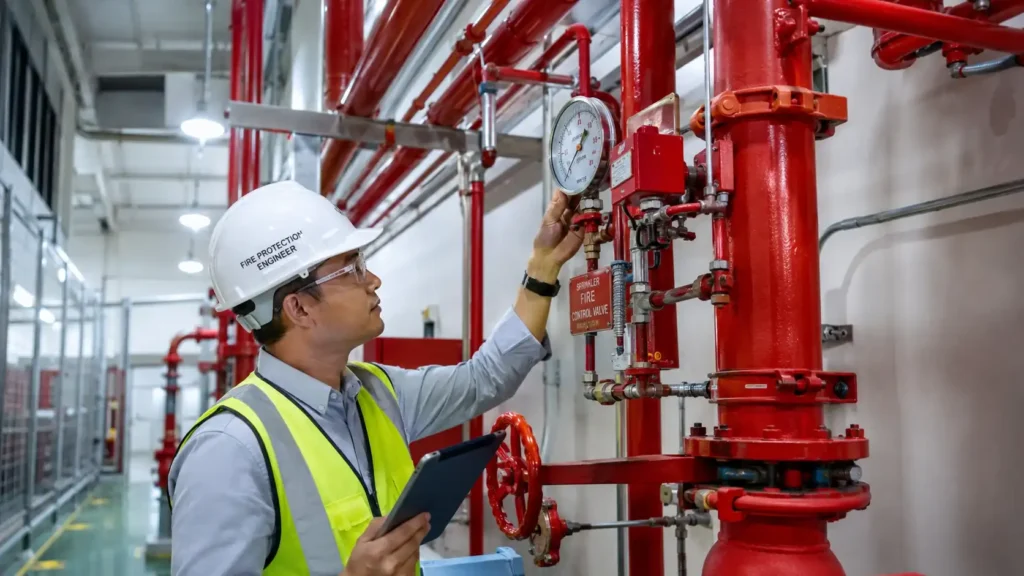
- Pressure gauges.
- Fire pumps.
- Water tanks.
- Flow switches.
- Drain and test lines.
In addition, engineers must ensure material quality. Pipes, valves, and fittings must match the required working pressure. Therefore, component selection must not depend only on price.
Technical Stages of Sprinkler Installation
The sprinkler installation process must begin with a technical site survey. Engineers need to understand the building layout, fire risks, water source, and operational needs.
1. Area Survey and Risk Identification
First, the team inspects the site. They check room functions, ceiling height, building materials, and production activities. In addition, they assess potential ignition sources.
The survey results become the basis for the initial design. Without an accurate survey, the system can be undersized or oversized.
2. Hydraulic Design Calculation
Next, engineers calculate pressure and flow requirements. This calculation determines system performance when sprinklers activate.
In addition, fire pumps and water tanks must support these requirements. If pressure is too low, sprinklers cannot work effectively.
3. Sprinkler Head Layout Planning
After that, engineers define the distance and position of sprinkler heads. The layout must provide even coverage. However, each room may require a different approach.
In areas with obstacles such as ducting and high racks, sprinkler positioning must be more precise. Therefore, coordination with the MEP team is essential.
4. Pipe and Component Installation
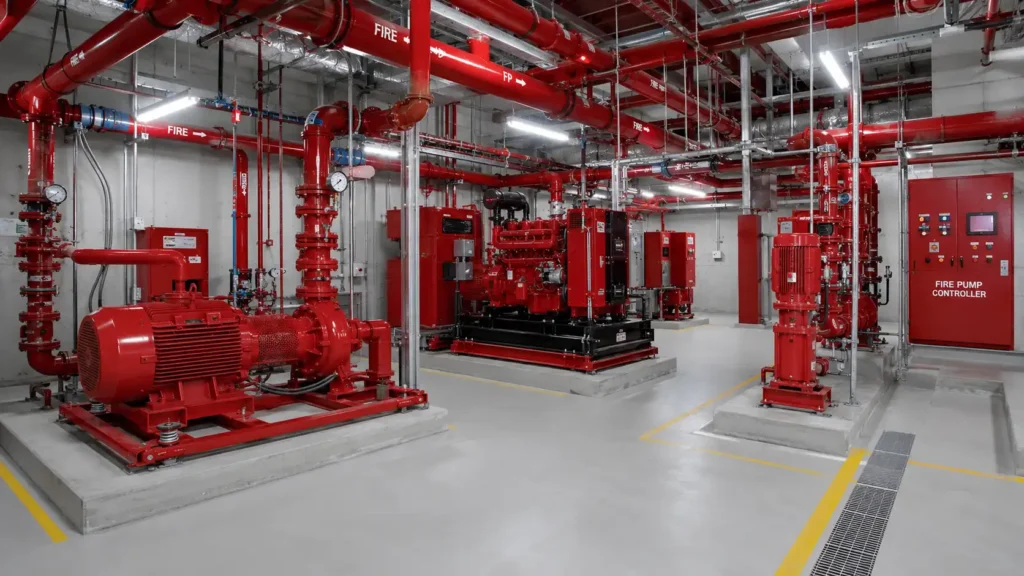
The next stage includes the installation of pipes, valves, hangers, fittings, and sprinkler heads. The team must maintain joint quality and neat pipe routing.
In addition, the work area must follow safety procedures. Projects in active facilities require coordination to avoid operational disruption.
5. Testing and Commissioning
After installation, the team performs testing. Testing may include pressure tests, flushing, functional tests, and valve inspections.
In addition, the system must connect properly with the fire alarm system when required. Inspection, testing, and maintenance also need to follow relevant fire protection standards.
Official fire protection inspection, testing, and maintenance standard
Important Standards in Sprinkler Installation
Sprinkler installation must refer to relevant technical standards. Standards help ensure the system is safe, measurable, and accountable.
Common references include:
- NFPA 13 for sprinkler systems.
- Relevant SNI standards for sprinklers and fire protection.
- Applicable building regulations.
- Company HSE requirements.
- Insurance or safety audit requirements.
However, standards alone are not enough. Engineers must translate them correctly based on building context and actual field risks.
Common Mistakes in Sprinkler Installation
Sprinkler installation often fails to perform well due to planning mistakes. Many projects focus only on physical installation. In reality, system performance starts from the design stage.
Common mistakes to avoid include:
- Skipping detailed fire risk surveys.
- Choosing the wrong sprinkler head type.
- Ignoring hydraulic calculations.
- Overlooking ceiling obstructions.
- Using materials without clear specifications.
- Skipping flushing before commissioning.
- Ignoring routine inspection and maintenance schedules.
In addition, technical documentation is often incomplete. As a result, facility teams struggle to perform routine maintenance.
Types of Sprinkler Systems You Need to Know
Not every area fits the same system. Therefore, sprinkler installation must match the required protection strategy.
Wet Pipe System
A wet pipe system contains pressurized water inside the pipes. This system is widely used because it responds quickly. In addition, its construction is relatively simple.
This system suits many factories, warehouses, and commercial buildings. However, it is not suitable for areas with freezing risks.
Dry Pipe System
A dry pipe system uses air or nitrogen inside the pipes. Water enters the pipe only after a sprinkler activates. This system suits cold areas or special environments.
However, its response is slightly slower than a wet pipe system. Therefore, the design must consider water delivery time.
Pre-Action System
A pre-action system requires detection signals before water enters the pipes. This system suits critical areas such as data centers and archive rooms.
In addition, it helps reduce the risk of unwanted water discharge. However, the design is more complex.
Deluge System
A deluge system uses open sprinkler heads. When activated, water flows across the entire protected area. This system suits high-risk zones.
Examples include oil and gas areas, tank farms, and certain industrial process zones. Therefore, the design requires serious calculation.
Benefits of Choosing the Right Sprinkler Installation Contractor
Choosing the right contractor strongly affects the final result. Sprinkler installation must be handled by a team that understands design, installation, and commissioning.
PT Adiwarna Anugerah Abadi supports clients from consultation to implementation. The team can adjust the solution based on facility risks and operational needs.
Key benefits of working with specialists include:
- More accurate risk-based design.
- Better material control.
- Cleaner installation quality.
- Better-documented testing.
- Easier maintenance.
- Stronger audit readiness.
In addition, project communication becomes more efficient. Business owners and facility managers can make decisions based on clear technical data.
Consultation for industrial fire protection systems
Tips Before Starting Sprinkler Installation
Before starting the project, prepare the building’s technical data. This data helps engineers create a more accurate design.
Prepare the following information:
- Latest building layout.
- Function of each room.
- Ceiling height.
- Type of stored materials.
- Water tank capacity.
- Fire pump condition.
- Existing pipe routing.
- Existing fire alarm system.
- Target standard or audit requirement.
In addition, involve the operational team from the beginning. They understand daily work patterns in the facility. As a result, the design will not disrupt production activities.
Conclusion: Sprinkler Installation Must Be Professionally Designed
Sprinkler installation is an important investment to protect assets, people, and business continuity. The system must not be installed only as a formality.
Each facility has different risks. Therefore, the design must rely on surveys, hydraulic calculations, technical standards, and operational needs.
In conclusion, PT Adiwarna Anugerah Abadi is ready to help your business build a reliable fire protection system. Consult your sprinkler needs for data centers, oil and gas facilities, factories, warehouses, or industrial sites with Adiwarna’s specialist team.
Contact PT Adiwarna Anugerah Abadi for fire protection consultation