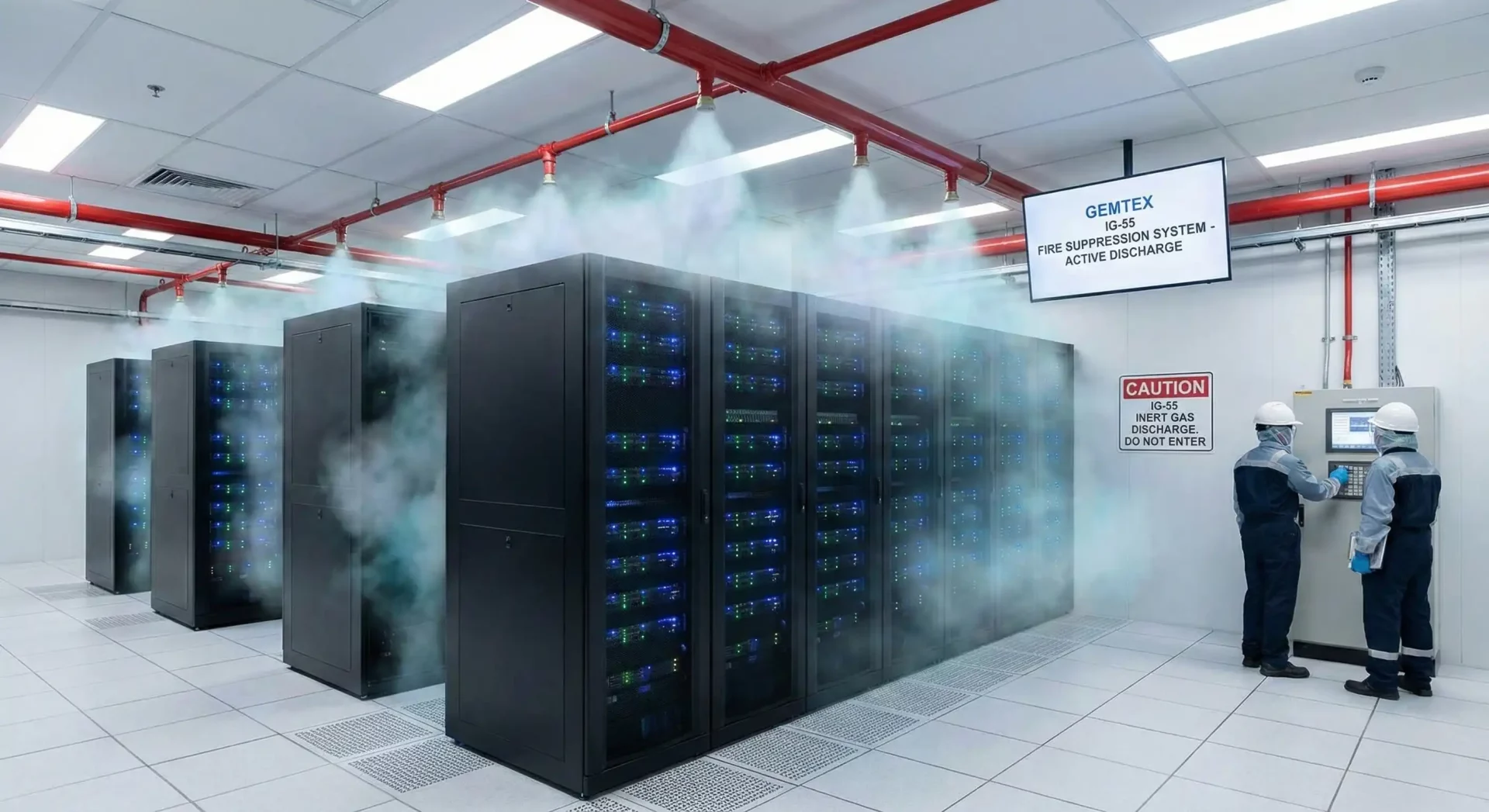
In medium to large-scale fire protection projects, fragmented approaches often create serious problems—misaligned designs, incorrect material procurement, and suboptimal installation. This is where the EPC Fire model becomes a strategic solution.
EPC Fire refers to an integrated project delivery method that combines Engineering, Procurement, and Construction into a unified management framework for fire protection systems.
Rather than separating responsibilities across multiple vendors, EPC Fire ensures that the entire fire safety infrastructure works as one coordinated system.
What Is EPC Fire?
Concept Analysis
EPC Fire is more than a fire system installation service. It is a comprehensive approach that ensures:
- Design compliance with NFPA, FM Global, ISO, and local regulations
- Procurement of certified and specification-compliant materials
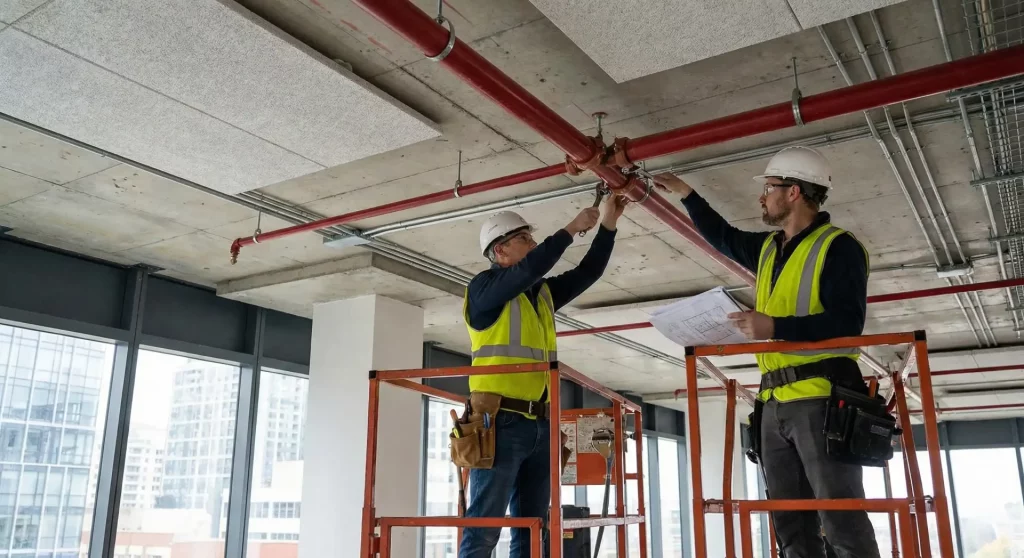
- Precise installation and supervision
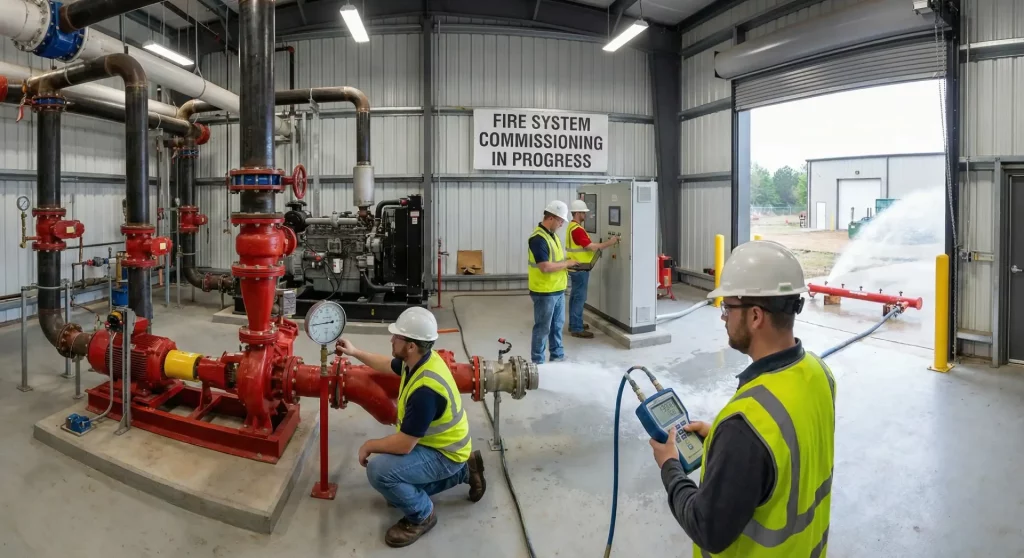
- Verified testing and commissioning
This model eliminates the common gaps between designers, suppliers, and installers that often lead to system failure.
Why Is the EPC Fire Model Necessary?
1. Increasing Complexity of Modern Buildings
Commercial buildings, industrial plants, warehouses, and data centers involve:
- Multiple fire risk zones
- Integration with MEP systems
- Strict compliance requirements
- Minimal downtime tolerance
Without proper coordination, the fire protection system can become a critical weakness within the project.
2. Risk of System Failure
A common misconception is that all fire contractors deliver similar results.
In reality:
- Poor design without risk assessment leads to ineffective protection
- Low-quality procurement increases component failure risk
- Installation without proper commissioning creates non-functional systems
The EPC Fire model controls every stage from concept to operational readiness.
Scope of EPC Fire Services
A. Engineering
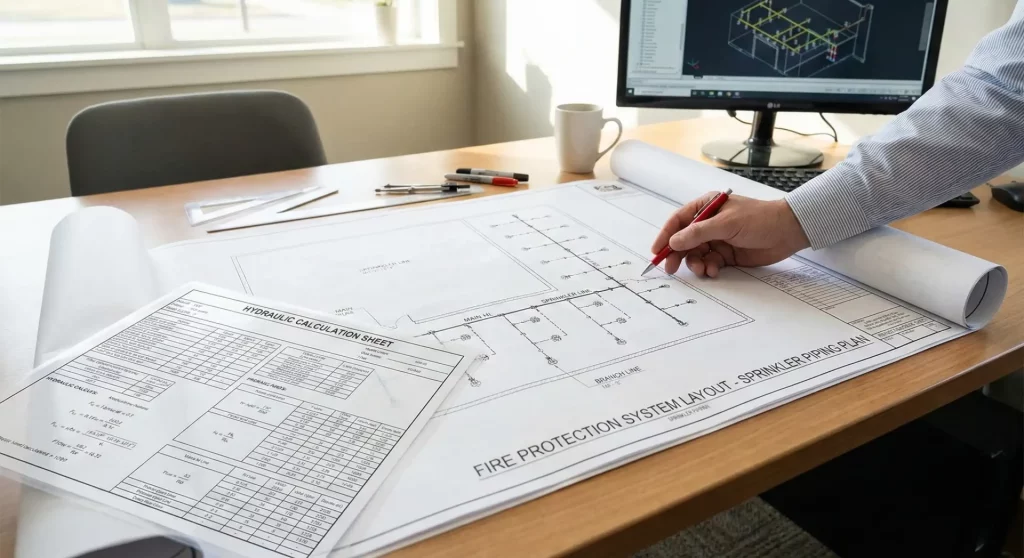
This phase includes:
- Fire risk assessment
- Hydraulic calculations
- Shop drawings and BIM coordination
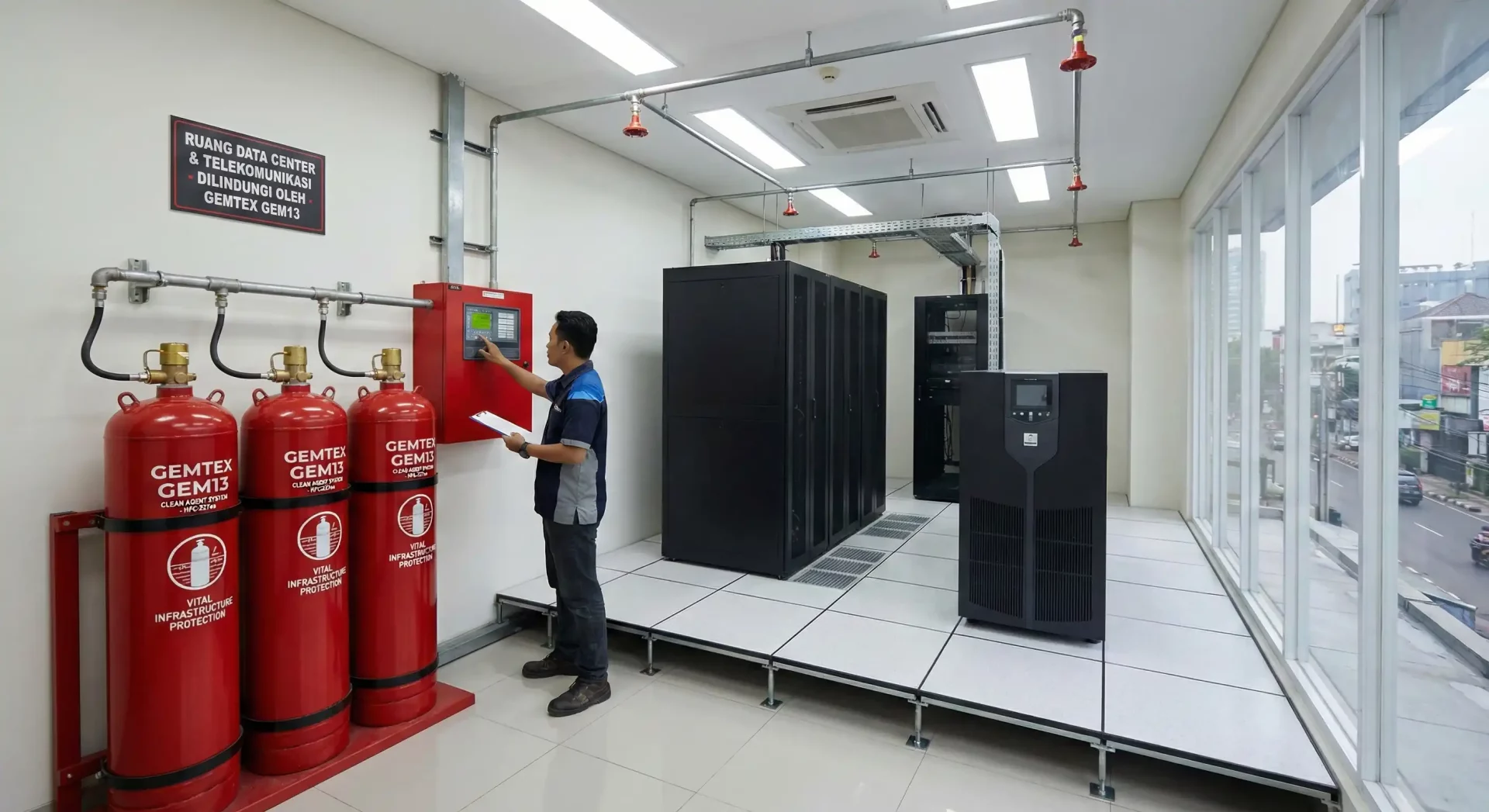
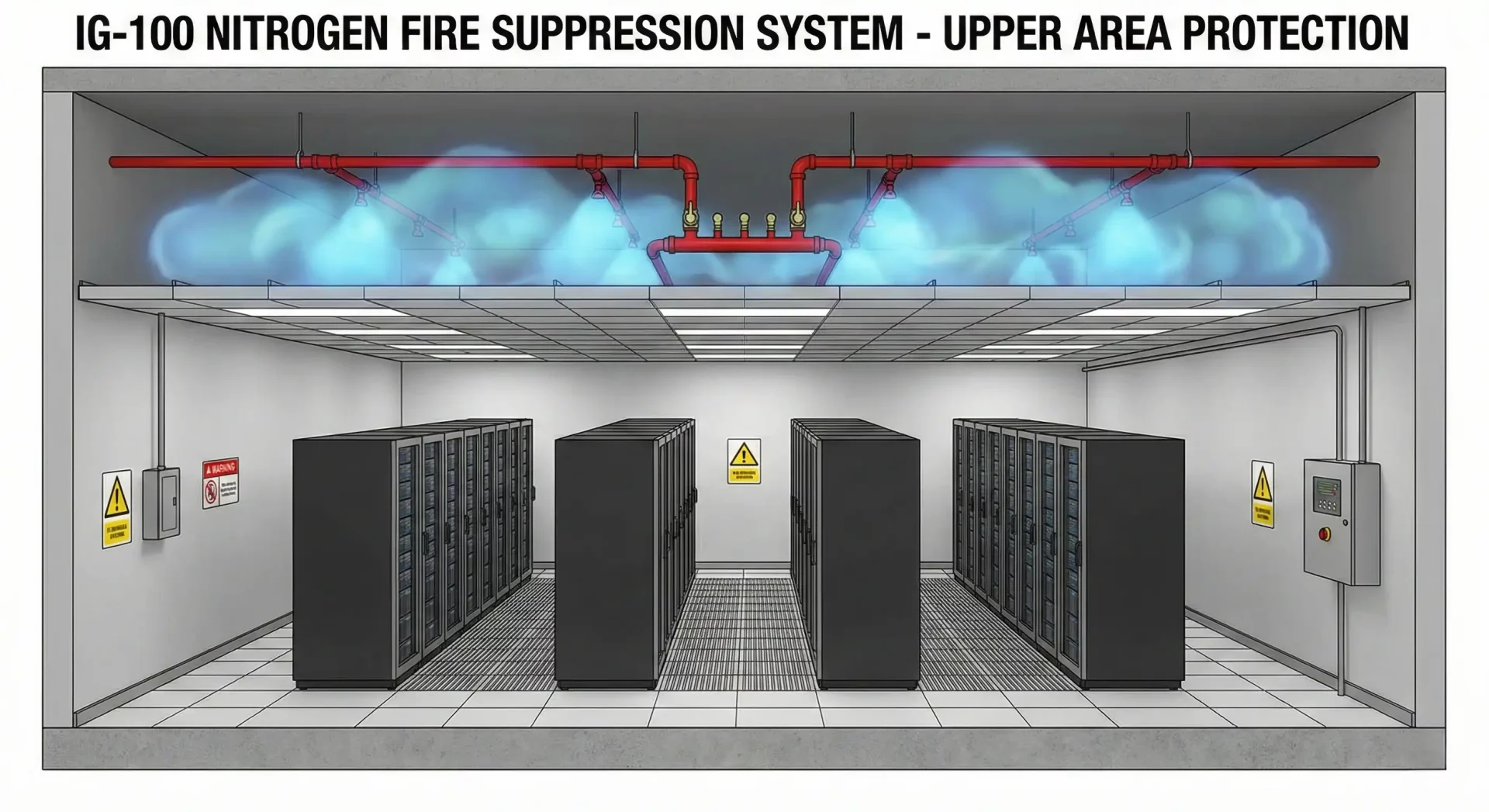
- Selection of suppression systems (sprinkler, foam, clean agent, CO₂)
Strong engineering is the foundation of system reliability.
B. Procurement
This stage ensures proper sourcing of:
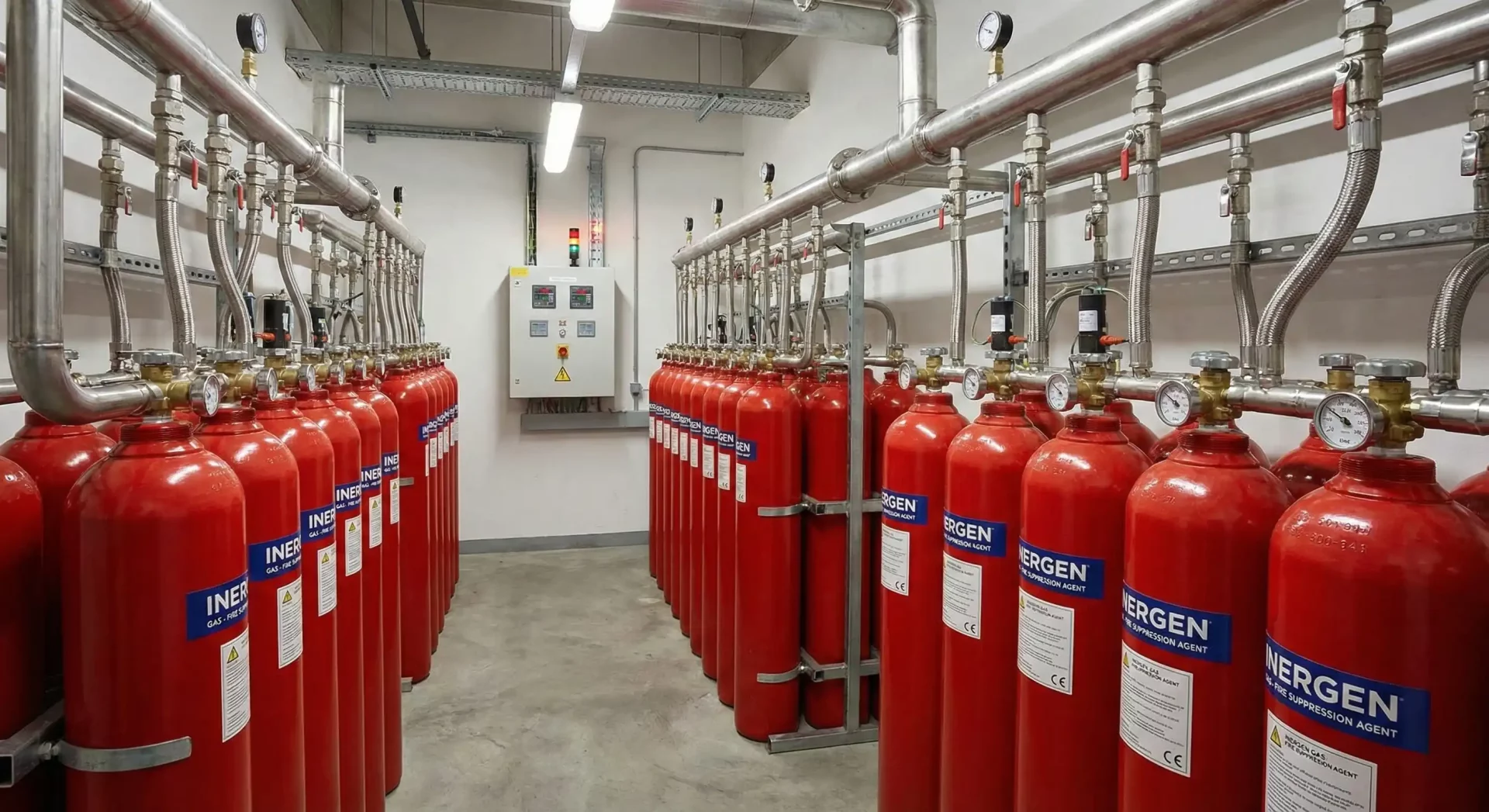
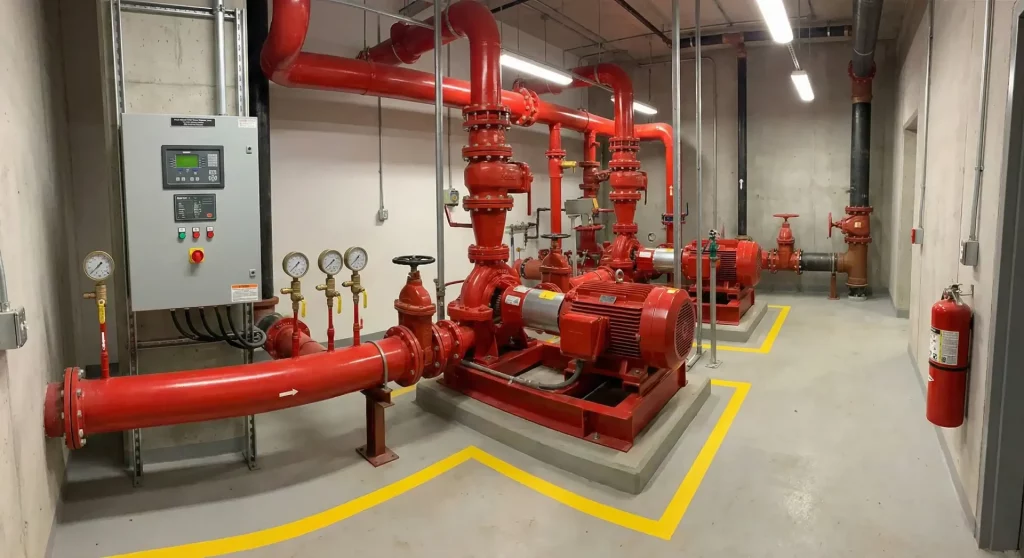
- Fire pump sets
- Fire alarm control panels
- Pipes and fittings
- Clean agent, foam, or gas suppression systems
Quality-controlled procurement prevents non-compliant or substandard materials from entering the system.
C. Construction & Commissioning
This phase covers:
- Installation of fire suppression systems
- Fire alarm system installation
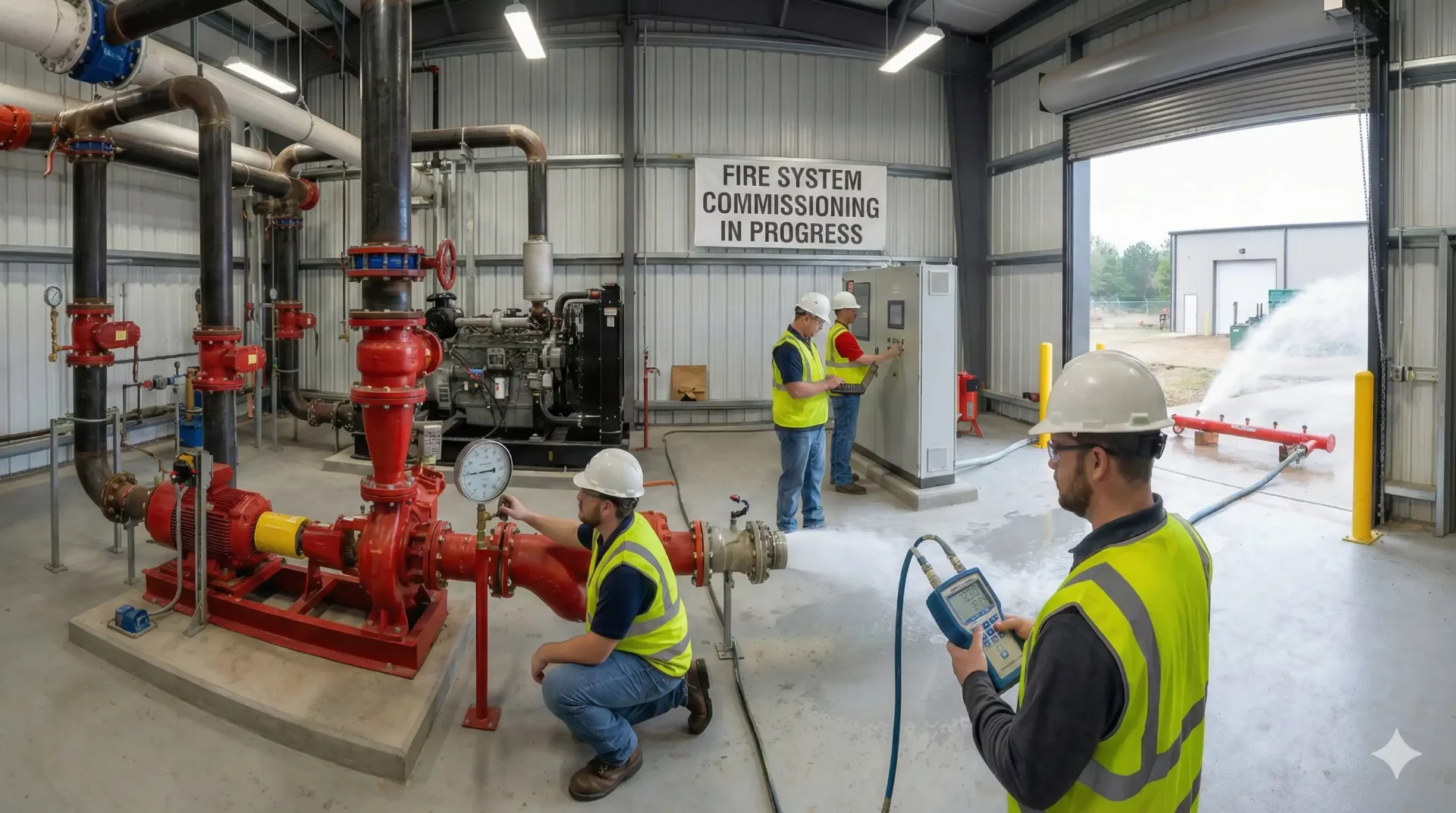
- Pressure testing
- Flow testing
- Full commissioning and documentation
Without proper commissioning, a fire system is merely installed equipment—not a guaranteed protection mechanism.
Advantages of the EPC Fire Approach
| Aspect | Traditional Model | EPC Fire Model |
|---|---|---|
| Coordination | Fragmented | Fully Integrated |
| Error Risk | High | Reduced |
| Quality Control | Limited | Controlled |
| Documentation | Disconnected | Comprehensive |
The Engineering, Procurement & Construction Fire approach significantly reduces technical risks while improving project efficiency and accountability.
Who Needs EPC Fire?
This model is ideal for:
- High-rise buildings
- Industrial facilities
- Manufacturing plants
- Data centers
- Oil & gas facilities
- Large-scale logistics warehouses
The higher the fire risk complexity, the more essential an EPC approach becomes.
Adiwarna’s EPC Fire Approach
Adiwarna Anugerah Abadi provides comprehensive Engineering, Procurement & Construction Fire solutions covering:
- Fire system engineering
- Certified equipment supply and procurement
- Installation and supervision
- Testing and commissioning
- Maintenance and after-sales service
With experience across multiple industries, Adiwarna ensures that fire protection systems are not just installed—but fully operational when needed.
? Visit: https://www.adiwarna.co.id
? Contact our team for EPC Fire project consultation.
Implementation Challenges
While Engineering, Procurement & Construction Fire offers clear advantages, it requires:
- Experienced engineering teams
- Strong project management discipline
- Strict adherence to international standards
- Complete documentation control
Without these elements, the term “EPC” becomes merely a marketing label.
Conclusion
Engineering, Procurement & Construction Fire is a strategic and structured approach to delivering reliable fire protection systems—from design to commissioning. In modern, high-risk environments, this model is no longer optional—it is essential.
Effective fire protection does not happen by accident. It is engineered, tested, and managed with precision.