
1. Problem Analysis
Fire incidents can escalate rapidly, especially in modern buildings filled with electrical equipment, combustible materials, and high occupant density. Manual fire extinguishing methods are often not sufficient when a fire grows beyond its initial stage. This is where sprinkler systems play a critical role as an automatic fire protection solution.
2. What Is a Sprinkler System and Why Is It Important?
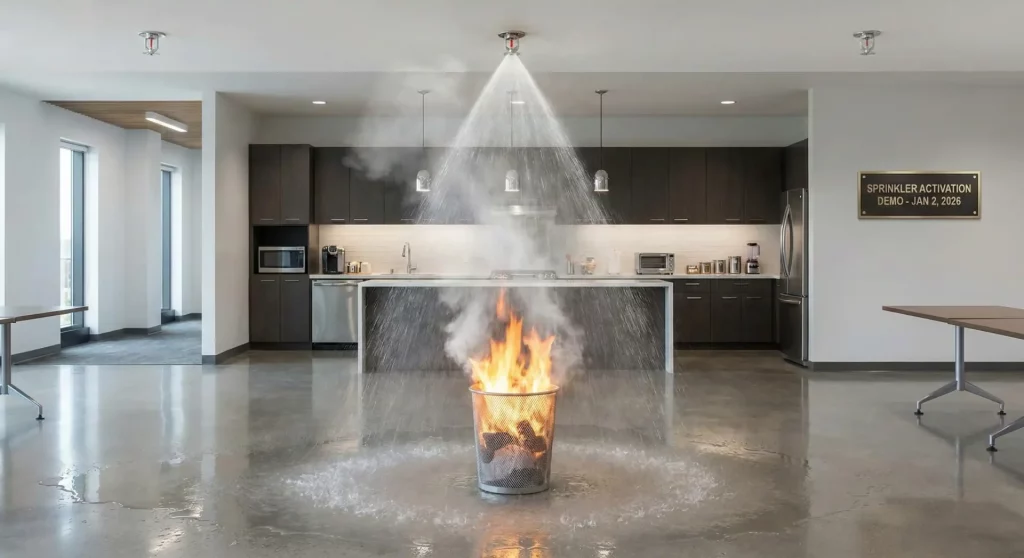
A sprinkler system is an automatic fire suppression system designed to detect heat from a fire and release water directly at the source. Unlike common misconceptions, sprinklers do not activate all at once. Each sprinkler head works independently, responding only to excessive heat in its immediate area.
For commercial buildings, industrial facilities, hospitals, and data centers, sprinkler systems are essential to:
- Control fire growth in its early stage
- Protect lives and assets
- Reduce structural damage
- Support safe evacuation
3. How a Sprinkler System Works
The sprinkler system operates based on heat activation, not smoke.
- When a fire occurs, the temperature around a sprinkler head rises.
- The heat-sensitive element (glass bulb or fusible link) breaks at a specific temperature.
- Water is released only from the activated sprinkler head.
- Fire intensity is reduced or controlled until emergency response arrives.
This targeted response makes sprinkler systems both efficient and reliable.
4. Main Components of a Fire Sprinkler System
A complete sprinkler system consists of several integrated components:
- Water Supply – Dedicated fire water tank or municipal connection
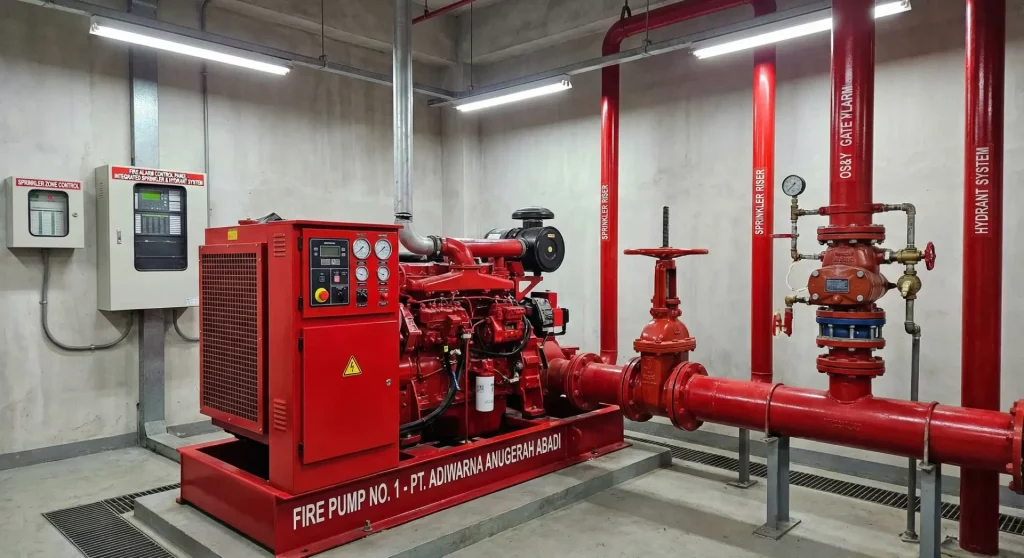
- Fire Pumps – Jockey pump, main pump, and diesel pump to maintain pressure
- Piping Network – Distributes water throughout the building
- Sprinkler Heads – Heat-activated discharge points
- Control Valves & Alarm Valves – Manage water flow and system monitoring
Each component must be designed and installed according to international standards such as NFPA.
5. Types of Sprinkler Systems
Different applications require different sprinkler configurations:
- Wet Pipe System – Pipes always filled with water (most common)
- Dry Pipe System – Used in cold environments
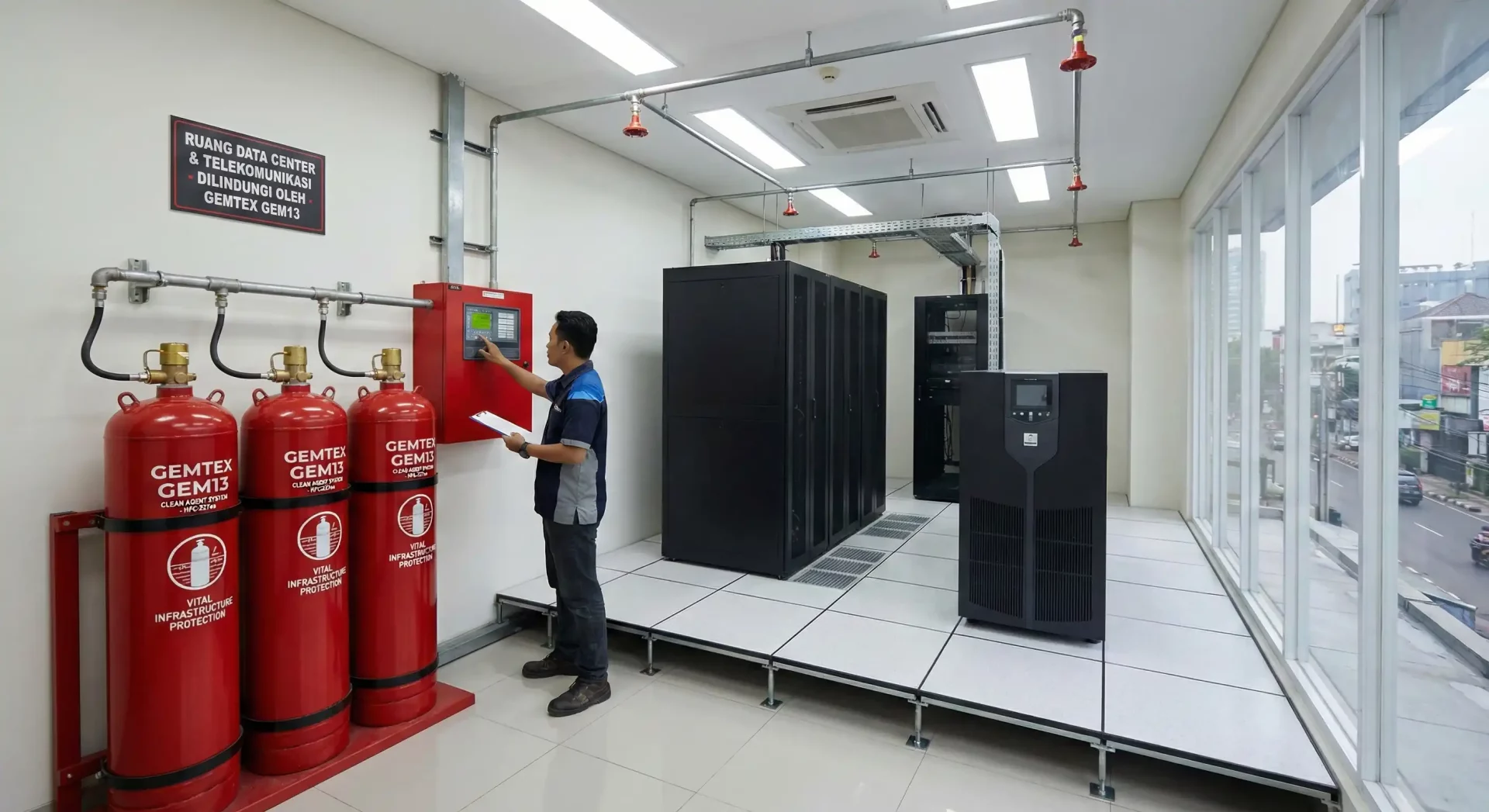
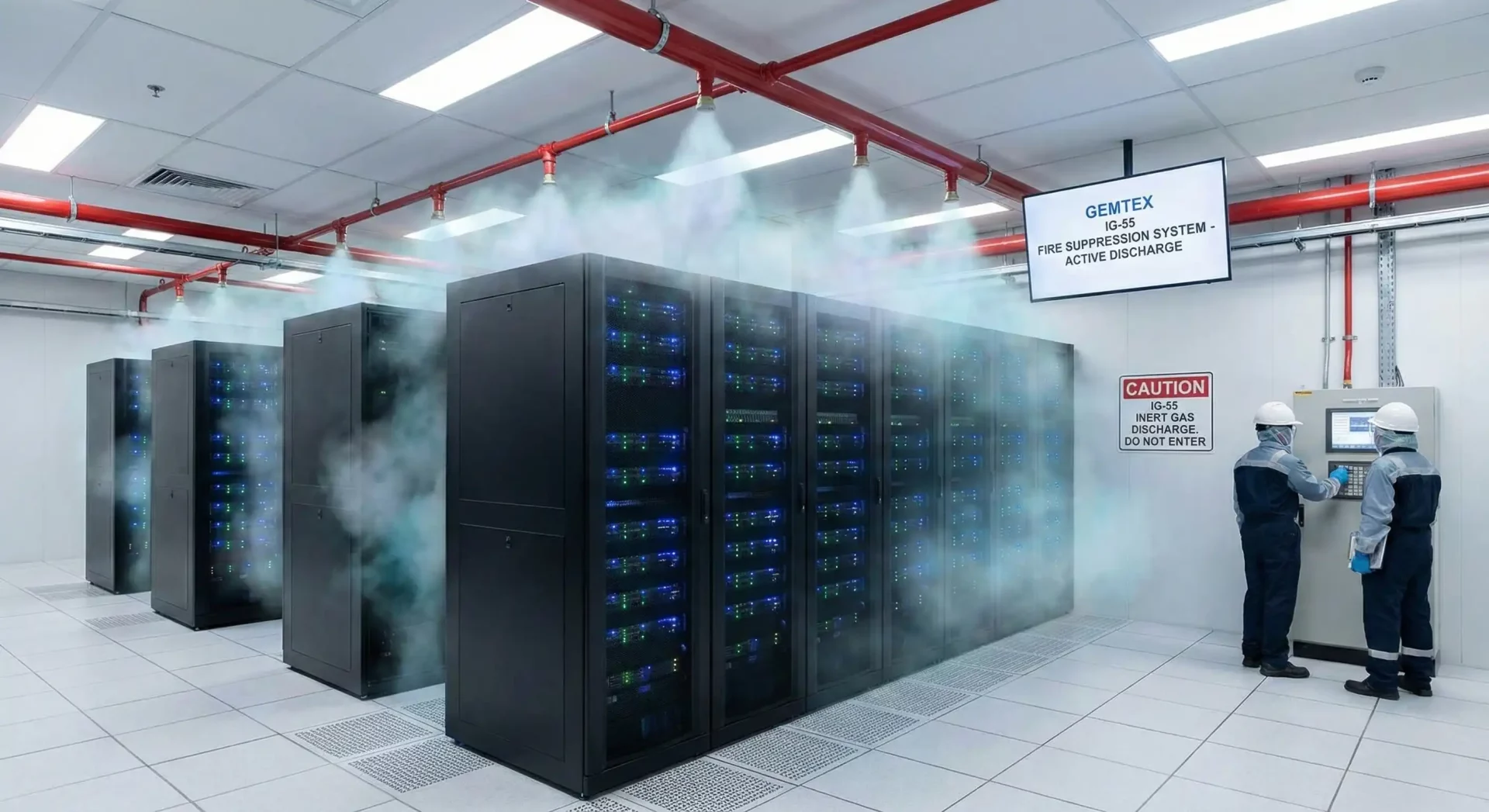
- Pre-Action System – Suitable for data centers and sensitive equipment
- Deluge System – High-hazard industrial applications
Selecting the right type depends on building function and risk level.
6. Benefits of Installing a Sprinkler System
Installing a sprinkler system provides long-term advantages:
- Early fire suppression
- Reduced fire damage and downtime
- Compliance with fire safety regulations (SNI, NFPA)
- Lower insurance premiums
- Increased building safety confidence
Sprinkler systems are not just a safety requirement but a strategic investment.
7. Professional Sprinkler Installation by Adiwarna Anugerah Abadi
At PT Adiwarna Anugerah Abadi, we specialize in complete fire protection solutions, including sprinkler system design, supply, installation, testing, and maintenance.
Our Services Include:
- Design & Engineering
- Supply of Certified Fire Protection Equipment
- Installation
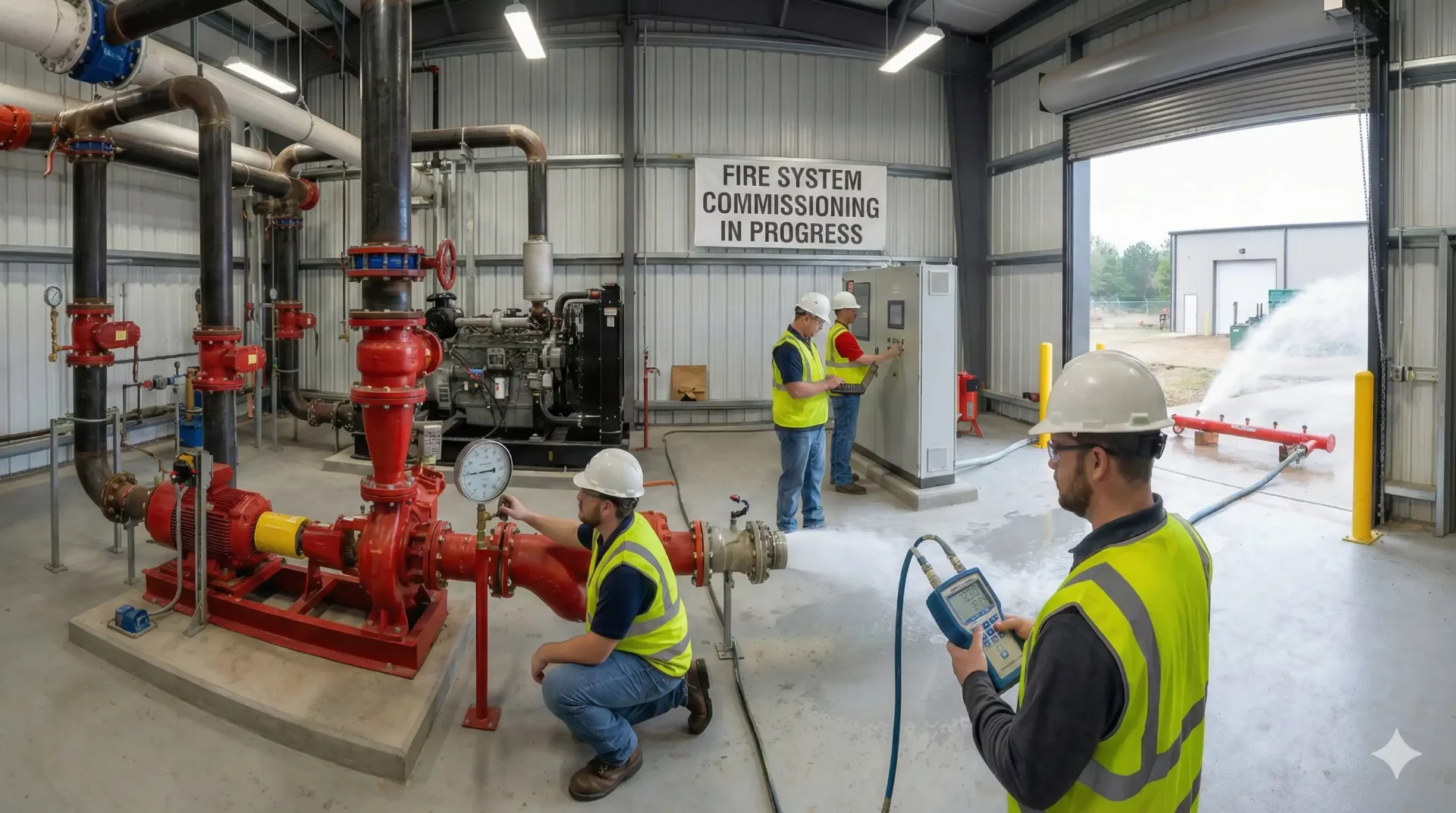
- Testing & Commissioning
- Service & Maintenance
Company Profile:
PT Adiwarna Anugerah Abadi
Head Office:
Perkantoran Mutiara Taman Palem No.53
Jl. Outer Ring Road Cengkareng, West Jakarta 11730, Indonesia
? Phone: +62 21 2902 0216
? Email: sales@adiwarna.co.id | corpsecretary@adiwarna.co.id
We ensure every sprinkler system meets safety standards and performs reliably when it matters most.
8. Conclusion
A sprinkler system is one of the most effective automatic fire protection systems available today. By detecting and suppressing fires early, it protects lives, assets, and business continuity. Working with an experienced fire protection contractor ensures your system is designed and installed correctly.